About Our Reading and Language Arts Skills Worksheets
Strong reading and literacy skills are built one step at a time, and this collection of skills worksheets is designed to guide learners along that journey. Covering essential areas such as grammar, reading comprehension, vocabulary, writing, and more, these resources provide the building blocks for confident communication. Whether a student is mastering basic sentence structure or refining the use of literary devices, each worksheet offers clear, targeted practice that supports growth in both understanding and expression.
The worksheets are organized for ease of use, with downloadable PDF files and accompanying answer keys that make learning accessible anywhere-at home, in the classroom, or in tutoring sessions. This flexibility encourages independent learning as well as guided instruction, ensuring that students can revisit concepts as often as needed. Teachers and parents alike can quickly find materials that match a learner's current level while offering challenges that promote steady progress.
What makes this collection especially valuable is its thoughtful progression of skills. Early exercises focus on foundational abilities such as handwriting and basic grammar, while advanced resources develop higher-level thinking through analysis, synthesis, and creative expression. By moving from core literacy skills to more sophisticated applications, these worksheets help learners not only read and write better but also think critically and communicate with confidence-a foundation that supports lifelong learning in every subject.
A Look At Each Worksheet Category
Grammar
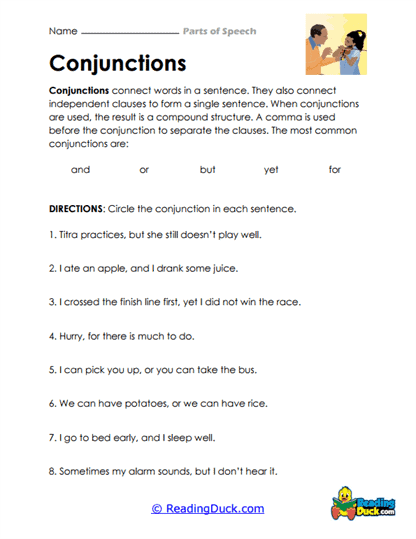
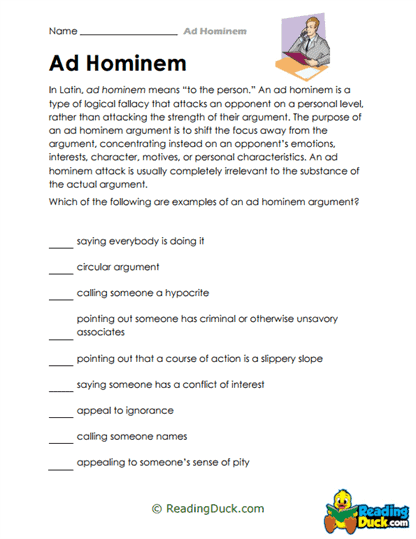
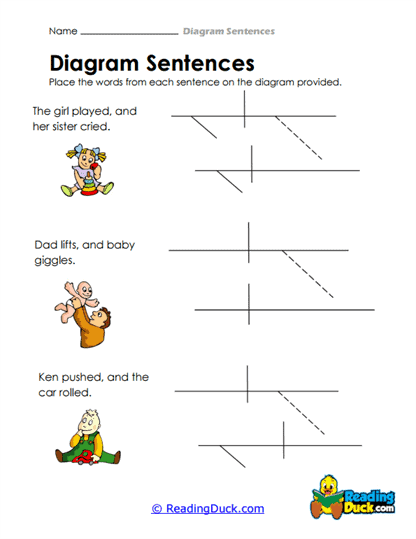
Grammar worksheets provide students with the essential rules and structures that form the backbone of clear communication. They cover topics such as sentence construction, parts of speech, verb conjugations, and agreement between subjects and verbs. These exercises help learners not only recognize correct grammar but also apply it consistently in both writing and speech. By practicing with a variety of sentence types and contexts, students build confidence and fluency. Mastering grammar ensures that ideas are conveyed accurately and effectively across all forms of language.
Graphic Organizers
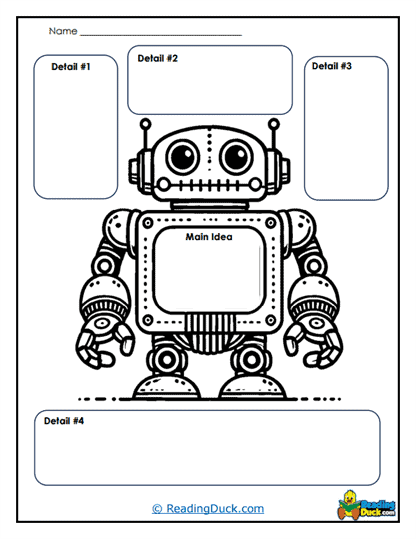
Graphic organizer worksheets teach students to visually arrange ideas, making complex information easier to understand. Tools like Venn diagrams, story maps, and flowcharts help break down concepts into clear relationships. These activities are especially helpful for planning essays, studying for tests, or summarizing reading material. Visual organization improves memory retention and encourages logical thinking. By mastering graphic organizers, students gain a versatile strategy for tackling learning tasks across all subjects.
Handwriting
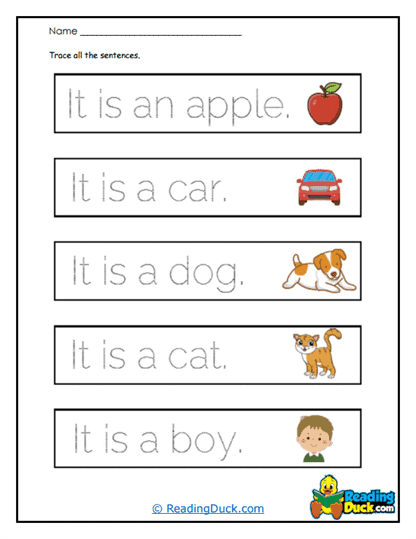
Handwriting worksheets strengthen the fine motor skills necessary for clear, legible writing. Activities often guide students through letter formation, spacing, and alignment, whether in print or cursive. Consistent handwriting practice also supports better spelling and reading, as students learn to connect visual recognition of letters with the motion of forming them. In a digital age, handwriting still plays a vital role in note-taking, creative writing, and formal communication. By improving penmanship, students gain both practical skill and a sense of pride in the presentation of their work.
Language
Language worksheets help students expand their ability to express ideas clearly and precisely. They explore concepts like synonyms, antonyms, homophones, and word choice, showing how subtle differences in vocabulary can change tone or meaning. Lessons also address sentence variety, cohesion, and clarity to improve overall communication. By analyzing and creating different sentence structures, students learn to write with purpose and style. This practice enriches both written and spoken expression, making language a more powerful tool for learning and connection.
Literary Devices
Literary device worksheets introduce the creative techniques authors use to make their writing vivid and memorable. Students learn to identify tools such as similes, metaphors, alliteration, symbolism, and personification. These lessons often pair analysis with application, encouraging students to incorporate literary devices into their own work. Understanding these elements deepens reading comprehension by revealing the layers of meaning within a text. As students grow comfortable with literary techniques, they develop both sharper analytical skills and greater creative expression.
Punctuation
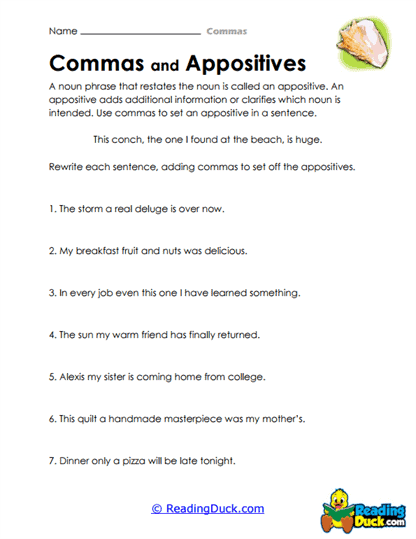
Punctuation worksheets train students to use marks like commas, semicolons, quotation marks, and apostrophes correctly and effectively. Each exercise reinforces how punctuation shapes meaning, clarifies structure, and guides a reader's understanding. Lessons often highlight common mistakes and provide targeted practice to overcome them. By mastering punctuation, students enhance the rhythm, tone, and clarity of their writing. Proper punctuation turns good sentences into polished, professional communication.
Reading
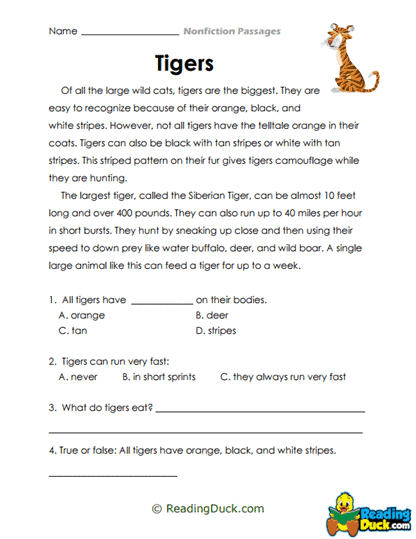
Reading worksheets aim to strengthen comprehension, analysis, and critical thinking. Activities may involve answering questions, identifying main ideas, making inferences, and drawing connections between texts. These exercises expose students to a variety of genres, helping them adapt to different styles and purposes of writing. Regular reading practice expands vocabulary, improves focus, and builds background knowledge. Ultimately, strong reading skills empower students to learn independently and engage deeply with the world of ideas.
Spelling
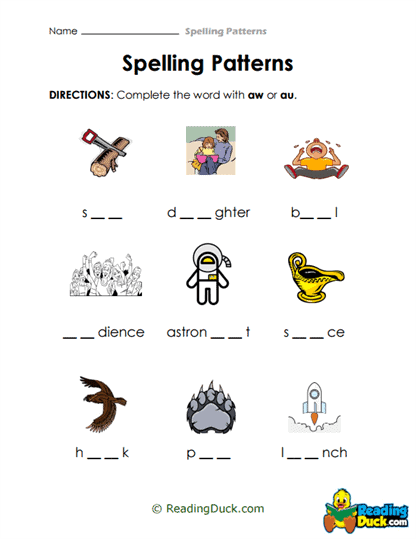
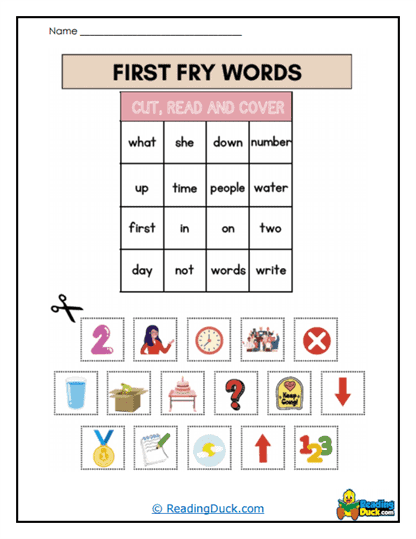
Spelling worksheets help students internalize word patterns, phonics rules, and irregular spellings. By practicing in structured and engaging formats, learners gain familiarity with correct word forms, reducing errors in writing. Spelling mastery not only improves readability but also strengthens confidence in written communication. Many activities combine spelling with vocabulary, encouraging students to understand word meanings alongside correct usage. Over time, consistent practice develops a natural awareness of how words are built and applied.
Vocabulary
Vocabulary worksheets build a richer, more precise language toolkit for students. They introduce new words through context, synonyms, antonyms, and word roots, helping learners remember and use them effectively. By expanding vocabulary, students improve both comprehension and expression in reading and writing. Lessons also emphasize choosing words that match the intended tone, audience, and purpose. A strong vocabulary gives students greater control over their ideas and the ability to communicate with clarity and nuance.
Writing
Writing worksheets guide students through the process of crafting well-organized, coherent, and engaging texts. Exercises cover brainstorming, outlining, drafting, revising, and editing, making writing a manageable step-by-step process. Students learn to tailor their writing for different genres, such as narratives, persuasive essays, or informational reports. By practicing regularly, they develop a distinct voice and an ability to adapt their style to different audiences. Writing fluency is a skill that opens doors to academic success and lifelong communication.
Make sure to bookmark our website now.
Enjoy all our free reading worksheets.
Our materials adhere to the principles of the Science of Reading.