Genres are like flavors at an ice cream shop-each one has its own personality, style, and surprises, and the only wrong choice is not trying them. Some are sweet and heartfelt, others dark and thrilling, and a few are so weird you're not sure whether to laugh or call a friend to discuss it. From the soaring emotions of drama to the heart-pounding twists of fiction, the grounded truths of nonfiction, and the lyrical magic of poetry, genres are the secret ingredient that shape how we experience stories.
Why does this matter? Because knowing a genre is like having the map before you start your adventure-it helps you navigate expectations, spot surprises, and appreciate the craft. Genre gives readers the thrill of recognizing familiar patterns, but also the joy of being caught off guard when a story flips them on their head. Plus, genre awareness is a superpower for students: it turns them into sharper readers, better writers, and occasional know-it-alls (the charming kind).
That's where our worksheets come in. They don't just tell you about genres-they invite you to explore them, question them, and play with them. Each one is a guided tour through the key features, history, and artistry of a genre, packed with examples, activities, and little "aha!" moments. By the time you've worked through them, you'll not only understand genres-you'll be ready to tell your own stories in style.
A Look At Each Worksheet Category
Drama
Step into the spotlight with these worksheets that make plays come alive on the page. You'll dive into dialogue, stage directions, and the deliciously tense moments that keep audiences glued to their seats. Each activity breaks down character motives, scene structure, and how speech and movement work together to create theatrical magic. It's like being both the actor and the critic-without ever having to memorize a monologue.
But drama isn't just about reading-it's about feeling. These worksheets often challenge you to rethink a scene: how would it change if a line were whispered instead of shouted? Or if the famous "O Romeo, Romeo" was sent as a text message? These clever twists make you see performance as more than words-it's an art form in motion.
Fiction
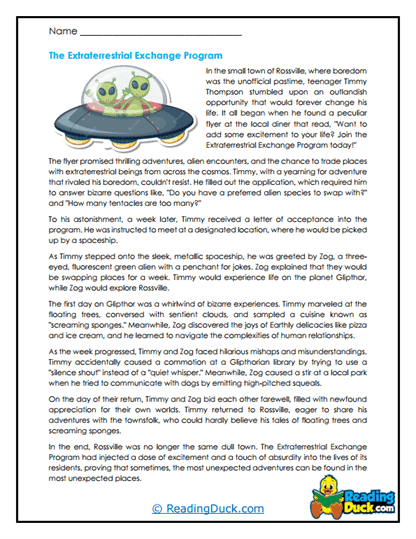
Get ready to travel through imaginative worlds where characters leap off the page and plots twist like roller coasters. These worksheets guide you through understanding how settings shape mood, how characters drive the story forward, and how an author's voice gives a tale its unique spark. It's part reading, part detective work-spotting the little details that make the big picture shine.
Once you've explored the story, the fun doesn't stop. You might be asked to rewrite the ending, invent a missing scene, or imagine what would happen if your hero stumbled upon a secret door. Would the genre change? Would the stakes rise? It's all about discovering that a story doesn't just end on the last page-it can grow in your imagination.
Nonfiction
Nonfiction is your passport to the real world-facts, ideas, and stories grounded in truth. These worksheets help you spot the main idea, track down key details, and judge whether a source is rock-solid or a little wobbly. You'll become a truth detective, analyzing arguments and spotting the difference between opinion and evidence.
But even reality can be fun to play with. Some activities invite you to imagine how the nonfiction text might look as a dramatic TV show-what would the conflict be? How would the stakes rise? These exercises prove that nonfiction might not have dragons, but it can be just as thrilling as any made-up adventure.
Reading Poetry
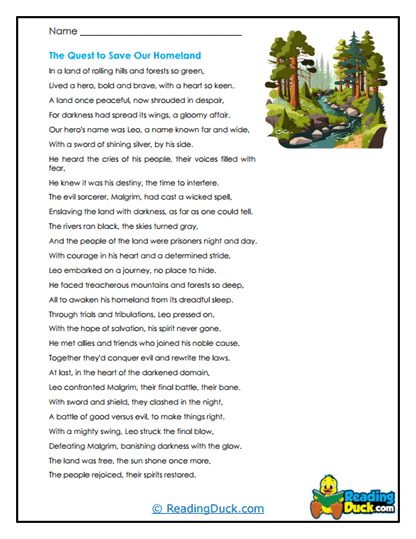
Poetry is where language turns into music, and these worksheets help you hear every note. You'll learn how rhythm, rhyme, and imagery work together to create powerful emotions and vivid pictures. Each exercise invites you to unpack metaphors, explore stanza structure, and see how a single word choice can change the entire tone of a piece.
Then the worksheets invite you to play poet yourself-maybe by writing a two-line metaphor or imagining the poem as a song. What genre would it be? How would it sound? It's a fresh way to see that poetry isn't just read-it's experienced.
A Deep Look At Genres
Genres are the organizing principle of storytelling-the way we sort the vast universe of literature into recognizable neighborhoods. Each genre has its own "vibe," its own rules, and its own bag of tricks. Drama thrives on the intensity of human conflict. Fiction lets imagination run wild. Nonfiction tethers us to reality but still tells a good story. Poetry distills emotion into the purest form of language. And inside each of these big categories are smaller, more specialized sub-genres, each adding its own flavor to the mix.
Drama is all about performance and tension-it's literature meant to be lived out loud. Within drama, you'll find tragedy, where the story barrels toward an inevitable heartbreak; comedy, which serves up clever misunderstandings and happy endings; melodrama, which turns every emotion up to eleven; and farce, where chaos reigns supreme and logic takes a coffee break. These sub-genres can be mixed and matched too-think tragicomedy, where the laughter hurts just a little. Drama's magic lies in how it uses dialogue, staging, and pacing to make you feel like you're in the room as everything unfolds.
Fiction is the land of "what if?" and comes in an almost dizzying variety. Fantasy takes you to worlds with magic and mythical creatures, science fiction launches you into futures filled with technology and alien encounters, and historical fiction blends imagination with real-world settings. Then there's mystery, where every clue matters, romance, which makes hearts flutter, and thrillers, which keep them pounding. Fiction is a playground for the mind-each sub-genre lets the reader escape into a different type of adventure, from whimsical to white-knuckle.
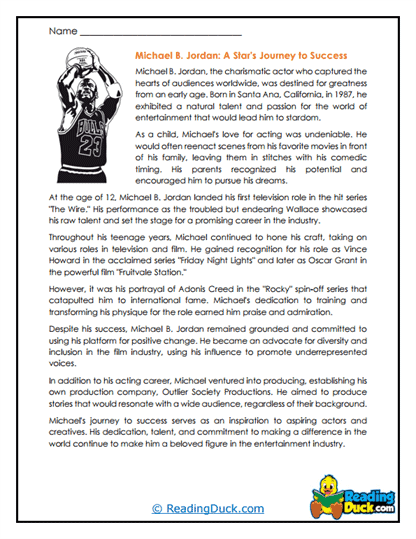
Nonfiction is where facts and storytelling shake hands. Its sub-genres include biography and autobiography, where real lives take center stage; memoir, which is like biography but filtered through the author's personal lens; journalism, which chases truth in the moment; and essays, which can be persuasive, reflective, or just plain thought-provoking. There's also informational writing, which explains and teaches, and true crime, which tells real-life mysteries that would feel unbelievable in fiction. Nonfiction proves that reality can be every bit as gripping as a made-up plot.
Poetry is the art of saying more with less, and it comes in many shapes and sounds. Sonnet lovers enjoy the discipline of rhyme and meter, haiku poets capture moments in 17 syllables, and free verse writers throw the rulebook out entirely. Narrative poetry tells a full story, lyric poetry pours out pure emotion, and slam poetry demands to be performed with passion. Whether it's structured like a crystal or wild as a river, poetry's sub-genres show that language itself can be a work of art.
The beauty of genres and their sub-genres is how they blend, borrow, and evolve. A single work might be a romantic comedy in drama form, a sci-fi mystery in fiction, or a memoir that reads like poetry. Readers are drawn to them for the promises they make-whether it's a good laugh, a grand adventure, an eye-opening truth, or a line of verse that lingers for days. And the best works? They honor their genre while also bending it just enough to surprise you.
Make sure to bookmark our website now.
Enjoy all our free reading worksheets.
Our materials adhere to the principles of the Science of Reading.