Fiction is the art of making things up - and making them matter. Imagine a world where dragons file taxes, time machines get stuck in rush hour, and the neighbor's cat actually is plotting world domination. That's fiction: stories born from imagination, stitched together with "what ifs," and embroidered with enough twists to keep readers hooked. It's the playground where authors can defy physics, bend history, and make characters say things no one's brave enough to utter in real life.
Why does fiction matter? Because it gives us a mirror to see ourselves... and a window to escape ourselves. Through its pages, we explore cultures, emotions, and possibilities far beyond our own backyard. Fiction can challenge the way we think, make us laugh until our tea comes out our nose, or shatter our hearts into tiny, beautiful pieces. It's not just entertainment - it's a workout for the imagination.
Our fiction worksheets take this magic and give it a friendly guidebook. They break down themes, characters, and structures so readers can understand not just what happens in a story, but why it matters. From adventure quests to dystopian nightmares, these resources help learners navigate the many worlds of fiction - and maybe even inspire them to build their own.
A Look At Each Worksheet Category
Adventure
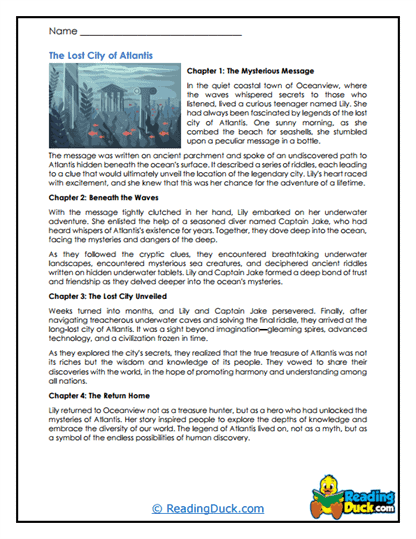
Our Adventure worksheets dive into thrilling tales of danger, exploration, and bold heroes. They offer passages and questions that help students understand pacing, high stakes, and character growth under pressure. These resources are perfect for practicing comprehension while keeping readers on the edge of their seats. After all, a good adventure in the classroom doesn't require leaving your desk - just your comfort zone.
Alternate History
This category's worksheets let students imagine worlds where history took a very different turn. Activities encourage critical thinking about cause and effect, cultural shifts, and worldbuilding. Readers practice analysis while traveling roads history never actually took. If you've ever wondered what would happen if Napoleon had a smartphone, you're in the right place.
Apocalyptic Fiction
Apocalyptic Fiction worksheets immerse students in worlds teetering on the brink - or well past it. They challenge readers to think about survival, morality, and rebuilding society from scratch. Exercises focus on mood, tension, and the psychology of desperate times. It's the only schoolwork where "the end of the world" is the beginning of the lesson.
Children's Fiction
These worksheets celebrate the joy, simplicity, and magic of stories for younger readers. They highlight language, themes, and morals designed for developing minds. Students learn how stories can both entertain and teach valuable life lessons. Think of it as literary training wheels - but with dragons and talking animals.
Classic Literature
Classic Literature worksheets bring timeless works into the modern classroom. They guide students through challenging language, historical context, and universal themes. Activities help readers see why these works still matter centuries later. It's proof that great stories never go out of style - they just get more dog-eared.
Dystopian
Dystopian worksheet sets introduce students to oppressive worlds and the rebels who challenge them. They explore themes of power, freedom, and resistance while honing reading comprehension. Learners discuss how these imagined societies mirror real-world concerns. Warning: may cause healthy distrust of shadowy government figures.
Epistolary Fiction
This category focuses on stories told through letters, journals, and other personal writings. Worksheets encourage students to analyze fragmented narratives and hidden perspectives. They're ideal for exploring voice, bias, and intimacy in storytelling. It's like reading someone's diary - but without getting grounded for it.
Experimental Fiction
Experimental Fiction worksheets invite students to step outside narrative comfort zones. They explore unusual structures, shifting perspectives, and playful language. Exercises push readers to embrace creativity and ambiguity. In this category, "coloring outside the lines" is the whole point.
Fairy Tales
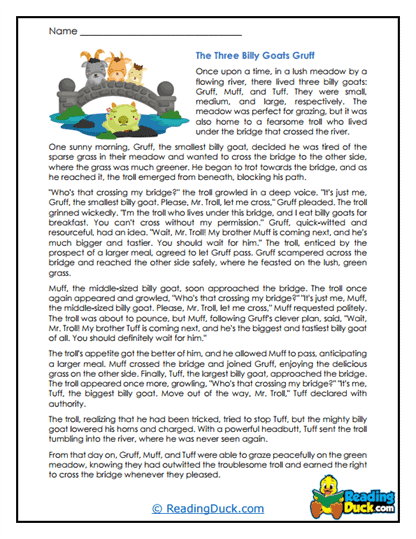
Fairy Tale worksheets offer a mix of familiar magic and cultural storytelling traditions. They help students identify archetypes, morals, and transformations within short, enchanting narratives. Questions encourage comparisons between versions from different cultures. It's happily ever after... with a comprehension quiz.
Fantasy Passages
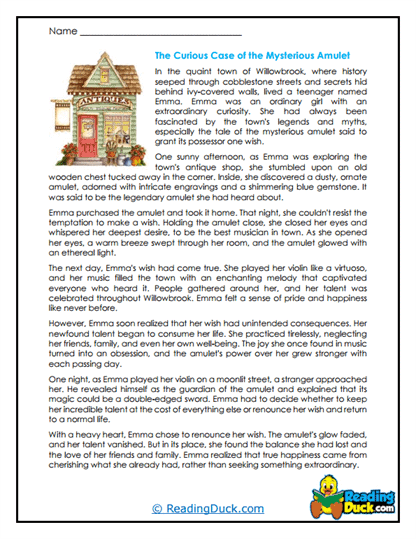
Fantasy worksheet collections let students wander through lands of magic, epic quests, and mythical creatures. They examine worldbuilding, conflict, and character development in fantastical settings. Exercises foster both reading skills and imaginative thinking. The only limit here is the size of your imagination - and maybe the page count.
Fiction Passages with Questions
This versatile category gives students bite-sized fiction pieces paired with targeted comprehension activities. It's designed for skill practice across multiple genres. Readers can focus on theme, tone, and inference without committing to a full novel. Think of it as a sampler platter for the literary buffet.
Folklore
Folklore worksheets introduce traditional stories that have traveled through generations. They highlight cultural values, historical lessons, and recurring motifs. Students analyze both the universal and unique elements in these tales. It's proof that storytelling was humanity's favorite pastime long before streaming services.
Historical Fiction
Historical Fiction worksheets blend fact with imagination, encouraging students to see history through a personal lens. Activities emphasize authentic settings, character believability, and accurate detail. They're perfect for connecting literature to real-world events. Like a time machine - but made of paper and ink.
Horror Passages
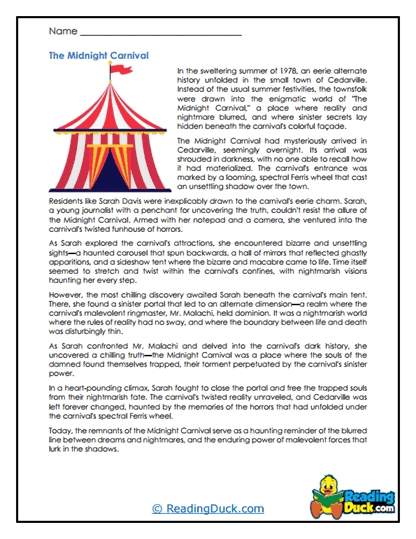
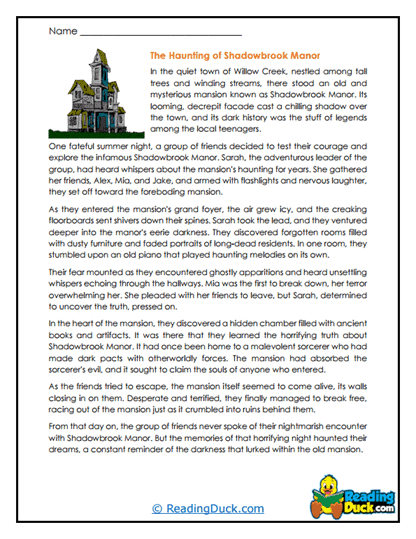
Horror worksheet collections explore stories designed to scare, unsettle, and thrill. Students practice spotting suspense techniques, mood shifts, and fear triggers. Exercises encourage discussion on why people enjoy being scared. Because nothing says "great reading comprehension" like goosebumps.
Literary Fiction
This category's worksheets focus on nuanced prose, layered themes, and complex characters. Students dig deep into subtle symbolism and moral questions. The exercises are designed for thoughtful reading and discussion. Literary fiction proves that sometimes the quietest stories echo the loudest.
Magical Realism
Magical Realism worksheets reveal the beauty in blending the ordinary with the extraordinary. Students examine how understated magical elements can illuminate cultural truths. Exercises focus on tone, symbolism, and thematic depth. It's where the miraculous is treated like just another Tuesday.
Metafiction
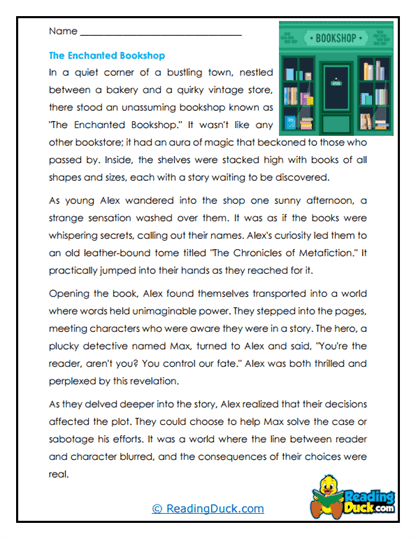
Metafiction worksheets pull back the curtain on storytelling itself. They help students recognize narrative self-awareness, fourth-wall breaks, and authorial playfulness. Activities challenge readers to think about how stories are made. It's a little like watching the magician explain the trick - and still being amazed.
Mystery and Thriller
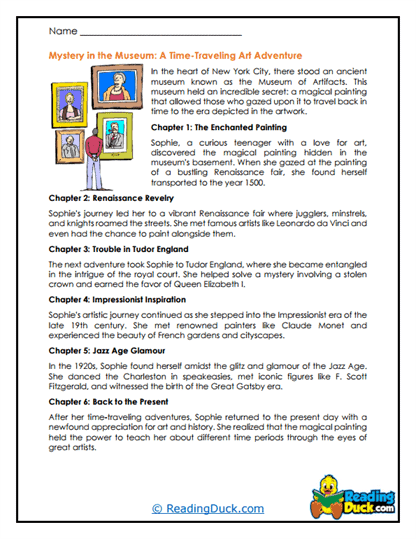
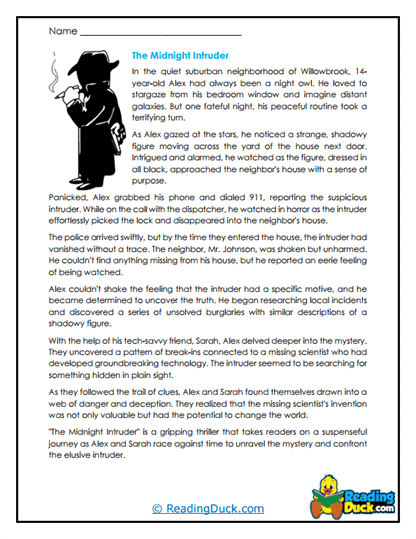
These worksheets challenge students to untangle clues, red herrings, and nail-biting plots. They build analytical and deductive reasoning skills alongside reading comprehension. Questions push readers to predict outcomes and question motives. Just remember: in these stories, suspects - and narrators - can't always be trusted.
Mythology
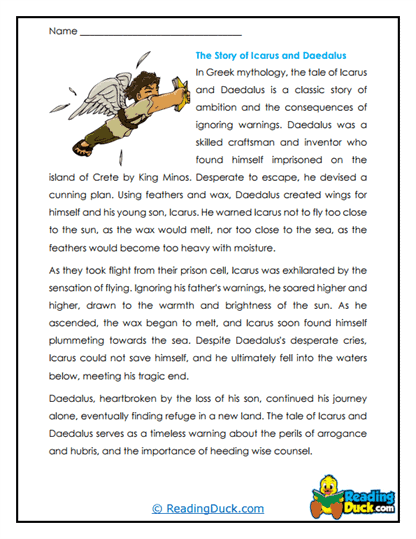
Mythology worksheets introduce the gods, heroes, and creatures that shaped ancient cultures. Students explore symbolism, archetypes, and enduring themes. Exercises connect myths to modern storytelling. Because even superheroes owe a lot to the legends that came before.
Political Fiction
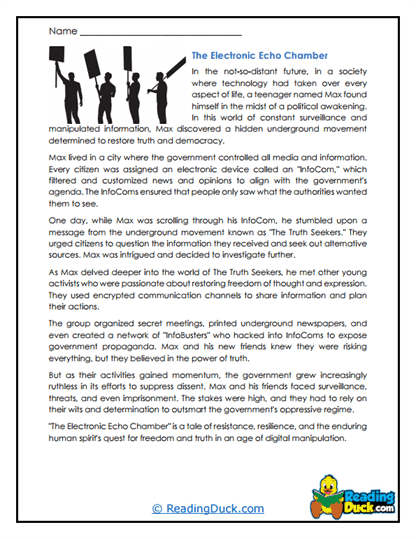
This category's worksheets tackle stories steeped in politics, governance, and ideological battles. They encourage students to analyze persuasion, rhetoric, and allegory. Activities often link fictional scenarios to real-world issues. Political fiction proves that sometimes the pen really is mightier than the sword.
Romance
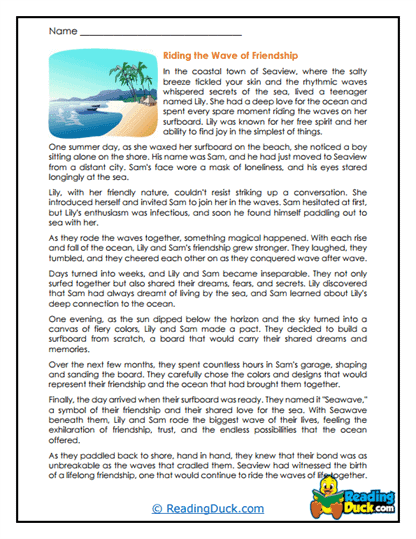
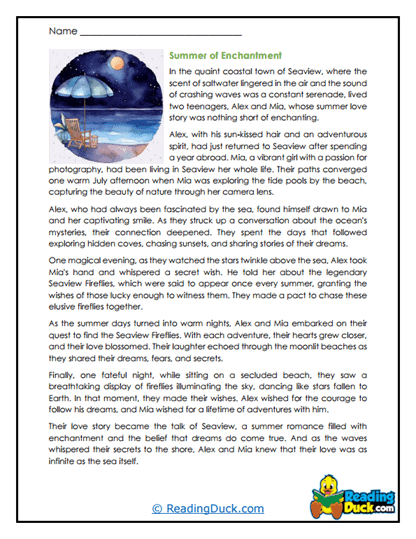
Romance worksheets focus on relationships, emotional arcs, and the drama of love. Students analyze character chemistry, conflict, and resolution. Exercises examine how settings and subplots heighten emotional stakes. In this category, "happily ever after" comes with a side of literary analysis.
Satire Passages
Satire worksheets use humor to highlight flaws in society, politics, and human nature. Students learn to spot exaggeration, irony, and parody. The exercises invite laughter while prompting critical thought. It's like a comedy routine that secretly hands you a homework assignment.
Science Fiction
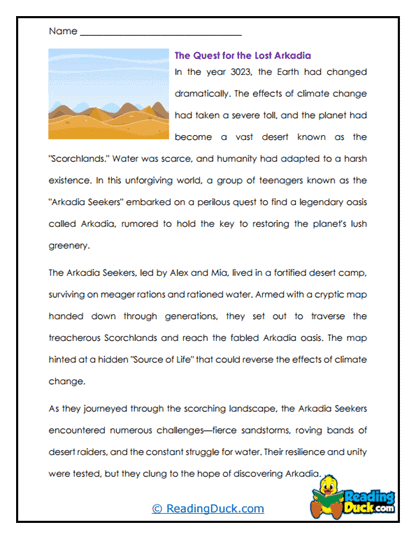
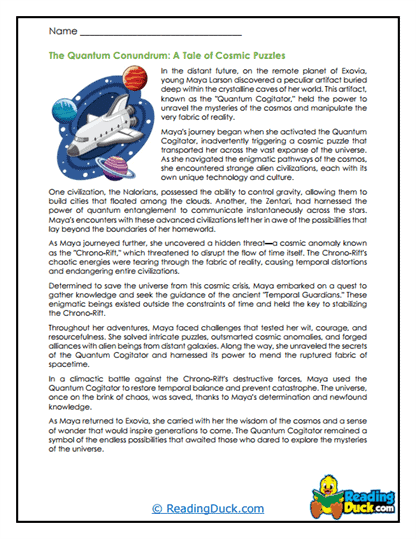
Science Fiction worksheets explore futuristic technology, alien worlds, and scientific "what ifs." They help students connect imagined futures to current trends and ethical questions. Exercises emphasize worldbuilding, theme, and plausibility. Just remember - today's homework could be tomorrow's prophecy.
Short Stories
Short Story worksheets give students complete narratives in a compact format. They're ideal for practicing analysis without a long reading commitment. Activities focus on concise plotting, character arcs, and impactful endings. Proof that big ideas can fit in small packages.
Speculative Fiction
Speculative Fiction worksheets encourage exploration of the unusual and the unexpected. Students examine boundary-pushing ideas that challenge assumptions. Exercises mix elements of science fiction, fantasy, and alternative history. It's the "genre blender" of the fiction world.
Tall Tales
Tall Tale worksheets spotlight outlandishly exaggerated stories and legendary heroes. Students analyze hyperbole, humor, and moral undertones. Activities often compare tall tales from different regions. The bigger the exaggeration, the bigger the fun.
Urban Fiction
Urban Fiction worksheets bring gritty, modern city life to the forefront. They explore realism, dialogue, and themes drawn from contemporary issues. Exercises focus on authenticity and voice. Proof that even in crowded streets, every story is personal.
Western
Western worksheets capture the grit, justice, and open skies of the frontier. Students explore moral conflicts, archetypes, and survival themes. Activities connect the genre's myths with historical realities. Where else can reading practice involve duels at high noon?
A Deep Look At Fiction
Fiction, at its core, is the art of telling stories that spring from imagination. While nonfiction promises to tell you the truth, fiction promises to tell you a truth - one that might be cloaked in dragons, detectives, or dreamscapes. Its defining characteristics include structured narratives, thematic depth, and characters who feel real enough to invite to dinner. The tone can range from deadly serious to hilariously absurd, and the style from sparse minimalism to lush description. Fiction's only hard rule is that it must take you somewhere you haven't been before, even if it's just inside someone else's head.
The origins of fiction trace back to humanity's earliest days, when campfires doubled as stages. Oral storytelling traditions gave rise to written epics, plays, and novels, with each era shaping the stories to fit its concerns. From ancient myths to Shakespearean dramas to the serialized novels of the 19th century, fiction has adapted to changing tastes and technologies. Today, it thrives across print, digital, and audio forms, proving its resilience and universal appeal. It evolves not just with language, but with the very way humans connect and communicate.
Certain tropes and conventions run through much of fiction, though they shift depending on subgenre. You'll find heroes on quests, lovers kept apart by circumstance, worlds teetering on the edge of collapse, and mysterious strangers with suspiciously good timing. Themes like love, justice, identity, and the human struggle against fate appear again and again. Plot devices - from the "red herring" to the "deus ex machina" - help drive stories while playing with reader expectations. The fun lies in how authors twist these familiar elements into something fresh.
Notable works in fiction are as varied as the genre itself. Jane Austen's Pride and Prejudice remains a model for romantic wit, while George Orwell's 1984 haunts readers with its political paranoia. Gabriel García Márquez's One Hundred Years of Solitude wraps magical realism around family history, and Mary Shelley's Frankenstein blends gothic horror with science fiction. Authors from all over the globe - from Chinua Achebe to Haruki Murakami - prove that fiction is a language anyone can speak, even if the accent changes.
Readers keep coming back to fiction for its promise of escape, empathy, and surprise. It offers the thrill of visiting impossible places and the comfort of recognizing yourself in a stranger's struggles. Whether they want to laugh, cry, or nervously glance over their shoulder, readers trust fiction to deliver an experience worth their time. Sometimes it confirms what they already believe; other times it turns their worldview inside out. Either way, fiction's greatest trick is making the unreal feel utterly, achingly real.
Make sure to bookmark our website now.
Enjoy all our free reading worksheets.
Our materials adhere to the principles of the Science of Reading.