The ie vowel team is a powerful phonics pattern that can represent two distinct vowel sounds: the long i sound as in pie, and the long e sound as in chief. This dual pronunciation makes it a critical skill for readers to understand, as context often determines how "ie" is actually pronounced.
Our collection of "ie" Reading Passages Worksheets offers engaging stories filled with ie words, supported by vivid illustrations and accompanied by multiple-choice comprehension questions to reinforce both phonics and meaning. Each worksheet is thoughtfully designed to spotlight the "ie" vowel team in action, helping students notice how it works in different words and contexts.
By integrating phonics with reading comprehension, students practice decoding while also building their understanding of the passage. This combined approach strengthens both their ability to recognize phonics patterns and their overall reading fluency and comprehension, making learning more meaningful and effective.
Looking At Each Worksheet
Here's a description for each worksheet title-six sentences each, highlighting how they weave the ievowel team into engaging stories that support reading comprehension:
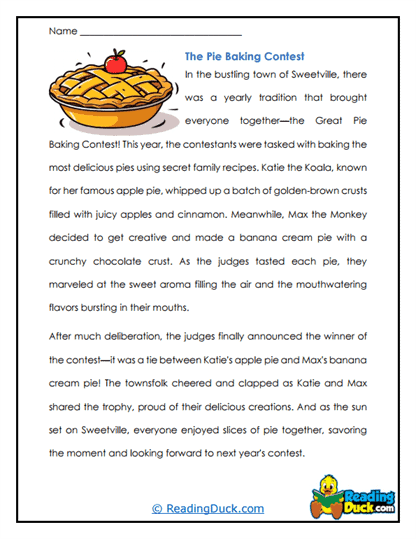
Baking Contest
This passage centers around a lively baking contest where friends compete to create the most impressive pie and share tasty treats. The word pie and other "ie" words appear throughout, reinforcing both the long i and long e sounds in a fun, culinary context. Comprehension questions ask students to identify ingredients, understand the sequence of events, and recall winner's choices. As they read, students decode "ie" words like pie and chief while making sense of the narrative. The phonics pattern becomes a meaningful part of the story, not just an isolated list. This worksheet strengthens phonics and comprehension hand-in-hand, nestled inside a familiar, engaging scene.
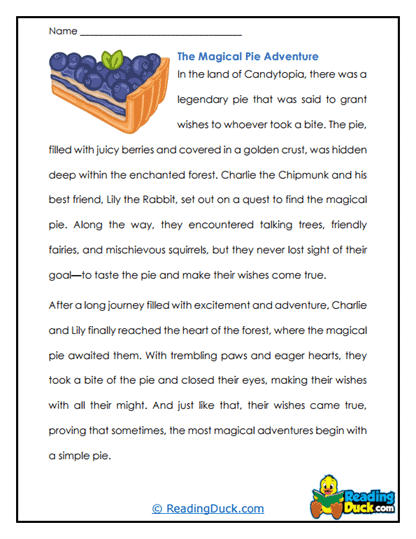
Berry Pie Quest
A charming adventure about a quest to find the juiciest berry pie leads readers through forests and fields full of pie-related clues. "Pie," "berry," and other "ie" words appear naturally, helping students connect phonics to the storyline. Questions prompt readers to describe the path, identify key details, and follow cause and effect. As children decode "pie" and "believe," they engage with the plot and vocabulary. The phonics focus enriches the reading, showing how "ie" words fit into a bigger adventure. This worksheet reinforces decoding within a purpose-driven, imaginative quest.
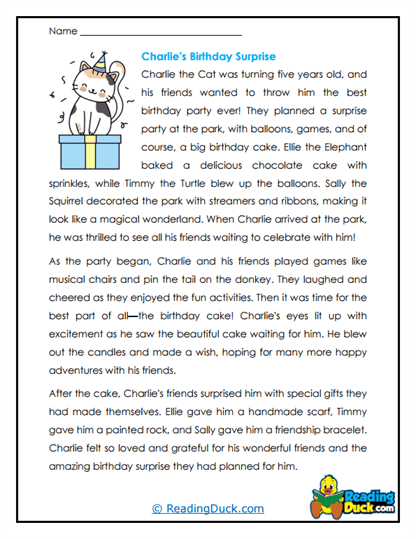
Birthday Bash
This festive passage depicts a lively birthday celebration full of pies, games, and smiles, anchored by several "ie" words. Words like pie, tie, and possibly friend embedded with "ie" challenge students to notice pronunciation in context. Comprehension questions explore characters' roles, sequence of party events, and sensory details (like taste and sight). Decoding "ie" words happens alongside making sense of the cheerful gathering. The phonics feature blends smoothly into the narrative, enriching both sound awareness and story understanding. This worksheet makes phonics feel like part of a real, fun event, building both fluency and comprehension.
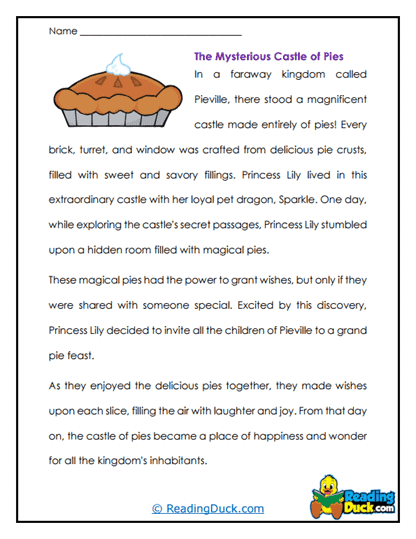
Castle of Pies
In a whimsical tale set in a pie-filled castle, readers meet a queen who loves pies and rules her kingdom with kindness-and lots of baked treats. Frequent "ie" words like pie and chief appear in regal and culinary settings, emphasizing both sounds. Comprehension questions ask about setting, character motives, and sequence of events in the castle. As students decode "pie," "chief," and "believe," they also follow the charming plot. Phonics and comprehension reinforce each other, making reading richer and more immersive. This worksheet wraps phonics learning in a magical, storybook context.
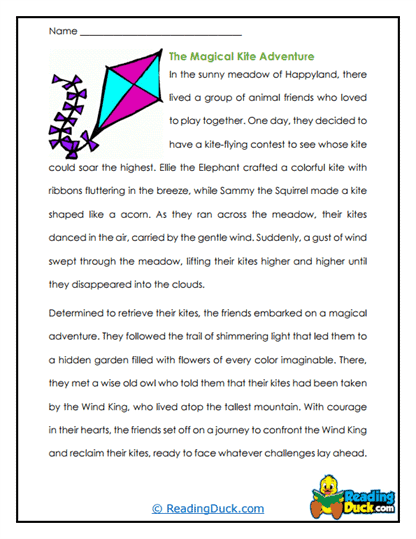
Kite Contest
This breezy narrative follows children competing to fly the highest kite, with "ie" words like tie, pie, and perhaps believe woven into the excitement. Readers decode while tracking the contest, noticing who wins and how they prepare their kites. Questions prompt inference about characters' feelings, success conditions, and sequence of events. The phonics pattern appears in meaningful action words, linking sound recognition with plot progression. Recognizing the "ie" pattern supports both reading fluency and comprehension within the story. This worksheet makes phonics feel active and dynamic in a playful setting.
Magic Recipe
In a magical tale of cooking and creation, readers follow a chef mixing ingredients for a mysterious potion-or pie! "Pie," "chief," and other "ie" words are sprinkled throughout the recipe-themed narrative, reinforcing both pronunciations. Comprehension items ask students to recall ingredients, order of steps, and outcomes of each magic stir. Decoding "ie" words happens while building understanding of the recipe process and magical effects. Phonics becomes a key to unlocking both text and plot in a fun, kitchen-based fantasy. This worksheet blends phonics with creativity, strengthening both sound decoding and story comprehension.
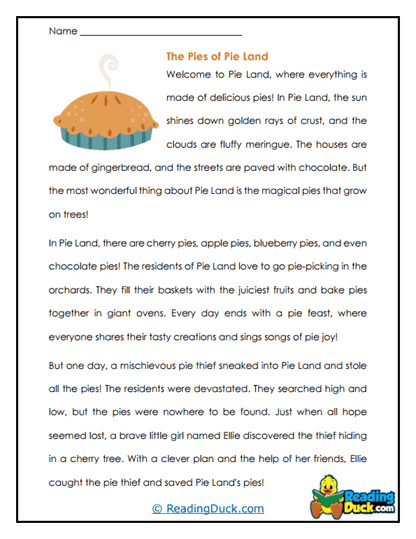
Pie Land Adventure
This imaginative story whisks readers away to a land made entirely of pies, where "ie" words like pie and believe fill the environment. Children decode as they explore marshmallow mountains and crusty pathways made of pie crust. Comprehension questions explore setting, plot events, and character goals during the adventure. The phonics pattern is embedded in vivid scenery and playful descriptions, making sound work part of the magic. Reading becomes a multisensory experience where "ie" is meaningful and memorable. This worksheet fuses phonics and fantasy in a delightfully creative way.
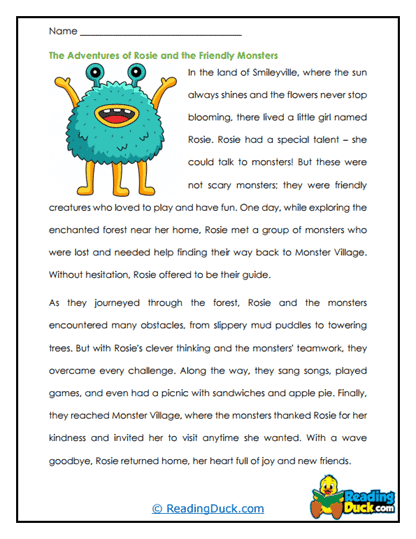
Rosie's Adventure
Rosie sets out on a journey to bake her famous pie, encountering friends, surprises, and "ie" words like pie and chief along the way. Readers decode while following her steps, understanding her motivations, and visualizing the adventure. Questions probe character intentions, sequence of events, and emotional highlights. The phonics pattern helps reinforce both word recognition and narrative understanding. "ie" becomes a guide through Rosie's world, linking sound and comprehension. This worksheet encourages students to read with both phonics awareness and story engagement.
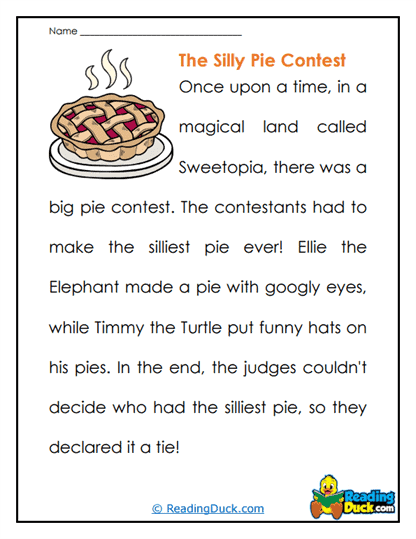
Silly Pie
A lighthearted and humorous tale centers on a pie that behaves in silly ways-bouncing, singing, or maybe even dancing. "Pie" and other "ie" words feature in playful action descriptions that spark laughter. Questions ask readers to recall the funny behavior and how characters react, building both comprehension and memory. Decoding "pie" becomes part of the joy as readers laugh and engage with the text. Phonics is embedded in humor, making sound patterns stick through entertainment. This worksheet uses fun to strengthen both decoding and reading understanding.
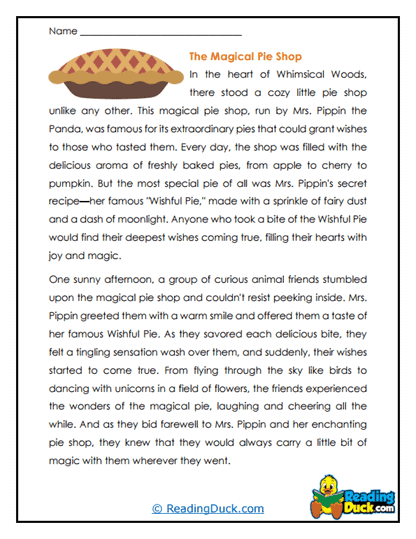
Wishful Pie
In this dreamy story, a child wishes on a pie that inspires imagination and magical moments-cue "ie" words like pie and believe. The narrative unfolds around hope, wishing, and and heartfelt moments, all purposefully featuring the "ie" pattern. Comprehension questions ask about feelings, wish outcomes, and the role of the pie. Decoding "pie" and "believe" happens alongside emotional engagement with the story. Phonics and comprehension combine with gentle themes of wish fulfillment. This worksheet nurtures both reading skills and imaginative thinking in a meaningful way.
An Example ie Reading Passage
Here's an original short reading passage designed to integrate the ie vowel team throughout:
A cheerful baker named Brie sets out to bake the most delicious pie for the village festival. With each ingredient she carefully chooses-flour, sugar, and spice-she quietly smiles, believing that the recipe is just right. Suddenly, the oven door swings open, and the pie's golden crust shines brighter than she believed possible. The chief of the festival arrives and exclaims how Brie's pie tastes like a dream. Everyone gathers to taste the treat, and cheers fill the square as Brie's dreams come alive in a single slice.
Where Is The ie Pattern?
You can spot the ie pattern in pie (long i) and believing (long e)-two clear examples directly from the passage. These words help students see and sound out the vowel team in action.
Make sure to bookmark our website now.
Enjoy all our free reading worksheets.
Our materials adhere to the principles of the Science of Reading.