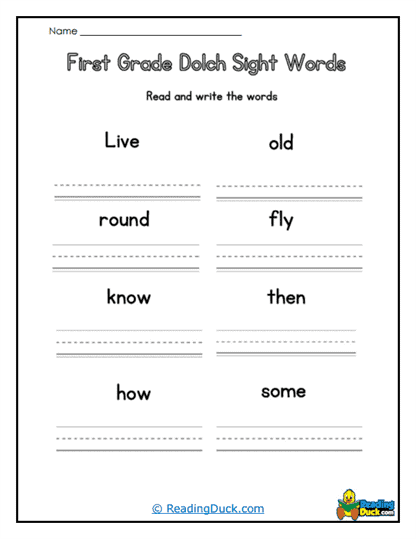
Sight words are like the backstage VIPs of reading-those common words like "after," "when," and "think" that show up again and again in early books. Many don't follow simple phonics rules, so recognizing them by sight becomes key for young readers. When children can spot these words instantly, their reading flows more smoothly and they feel proud as real readers.
The 1st Grade Dolch list includes 41 essential words that help bridge that gap from decoding to fluent reading. Mastering these words empowers kids to dive deeper into stories without getting stuck on tricky words. It's that sweet moment when they realize they can read with ease-like unlocking a secret level of reading confidence.
Our 1st Grade Dolch Sight Words Worksheets make this journey playful and effective with activities like word searches, tracing, sentence completion, and matching. Each worksheet is crafted to support visual and kinesthetic learners alike, so children find the method that clicks for them. Whether used in guided reading groups, at-home practice, or independent centers, these worksheets bring fun, focus, and success to sight‑word mastery.
Looking At Each Worksheet
Apple Word Search
Kids go on a tasty apple adventure, but instead of fruit, they're searching for sight words hidden in a grid. It's like a fall-themed treasure hunt with words sneaking through the leaves. The activity sharpens visual scanning and reinforces word recognition.
Perfect for small groups or warm-up reading activities.
Bonus: let them read each word they find in a silly "apple‑picker" voice for extra giggles.
Color and Circle
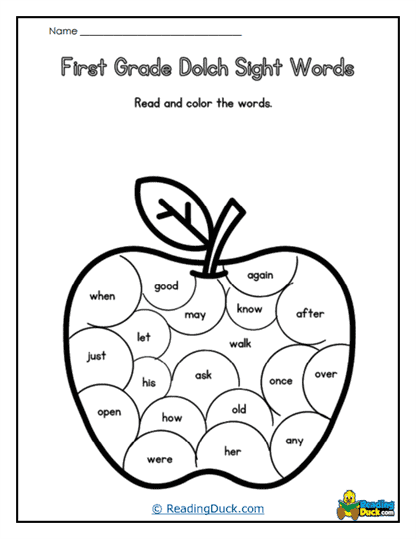
Brightly colored circles await sight words-kids color or circle each target word. It feels like turning a reading task into art class. Spotting and marking those words builds recognition through repetition and color association. Great for visual learners at centers or snack time.
Bonus: assign a different crayon color for each word to make it extra vibrant.
Complete the Sentence
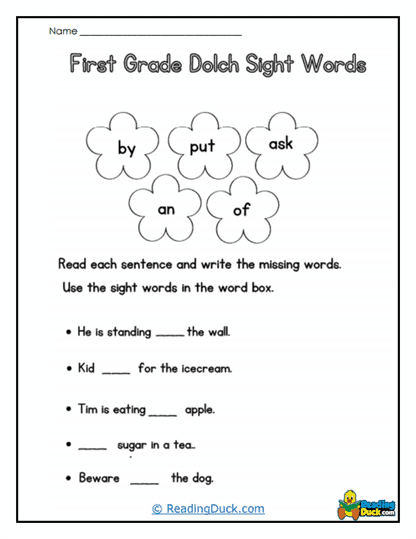
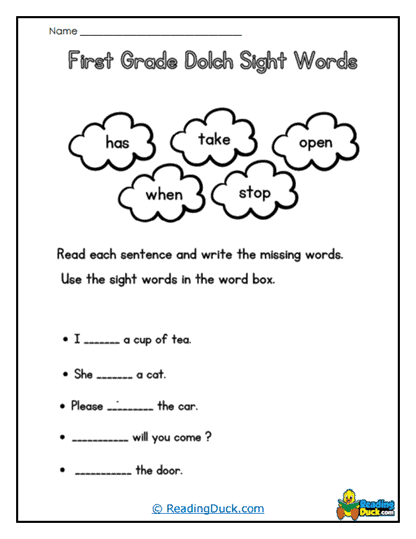
Sentences sit incomplete-until kids fill in the missing sight word. It's like finishing a tiny story puzzle. This activity shows how sight words create meaning in context, not just as isolated tokens. It works well during read‑alouds or literacy stations.
Bonus: have them act out the sentence when it's complete to bring it to life!
Copycat Sentences
Students mimic model sentences that highlight sight words-think "She said that" echoed on paper. It's like parrots, but for reading and writing. Copying helps reinforce spelling and structure.
Ideal for handwriting practice or partner work.
Bonus: challenge them to add one more word to make their own fun sentence.
Fill-in Fun
Sentences are waiting for sight words to jump in-kids choose the right word to complete each one. It's like giving words their perfect home. This builds context awareness and starts thinking about meaning.
Great for solo practice or quick assessments.
Bonus: have them color-code words by syllable count afterward for a phonics twist.
Match and Paste
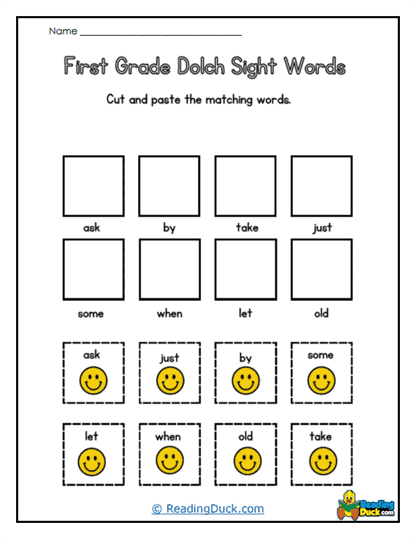
Cutting, matching, and sticking sight words into their pairs or sentence homes. It's like crafting a word collage. Students reinforce shape and spelling through hands-on interaction.
Ideal for kinesthetic learners or literacy center playtime.
Bonus: mount their creations on poster board and call it "Word Wall of Fame."
Read and Identify
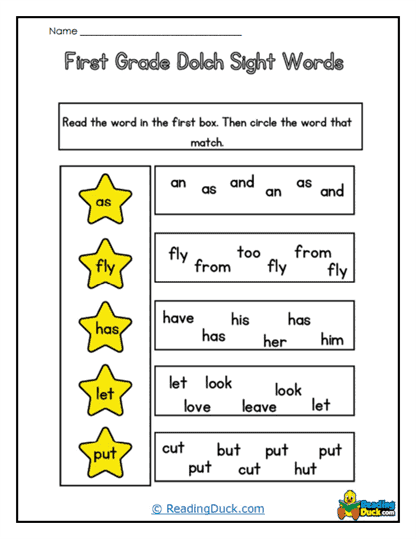
Sight words hide in a sea of other words-kids circle or highlight the right ones. It's like playing "Find Waldo," but with words! This sharpens scanning skills and key word awareness.
Perfect for independent reading stations.
Bonus: time them as a friendly race to boost motivation!
Star Match
Stars guide kids to matching sight words-draw a line or link each pair. It's like connecting constellations of words in the sky. This reinforces word pairs and visual memory.
Works well during small-group lessons.
Bonus: call it "astronaut training"-let them make rocket sounds as they complete matches.
Star Sight Fill
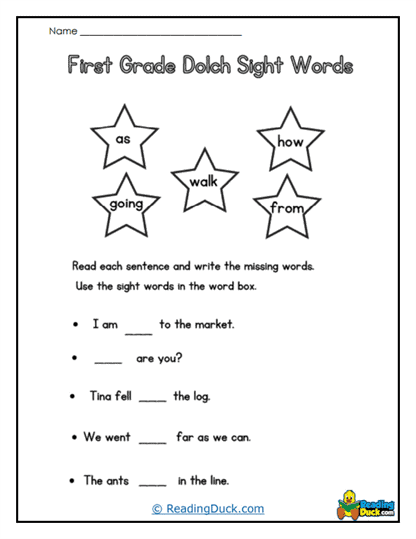
Similar to above, but stars might indicate where to fill in words-"complete this word to light the star." It's like lighting up a word galaxy. Great for blending recognition and writing.
Especially fun during space‑theme units.
Bonus: reward them with a "word‑star" sticker for stellar performance!
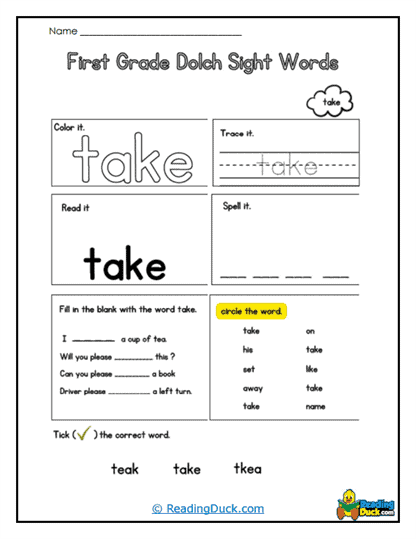
Take and Trace
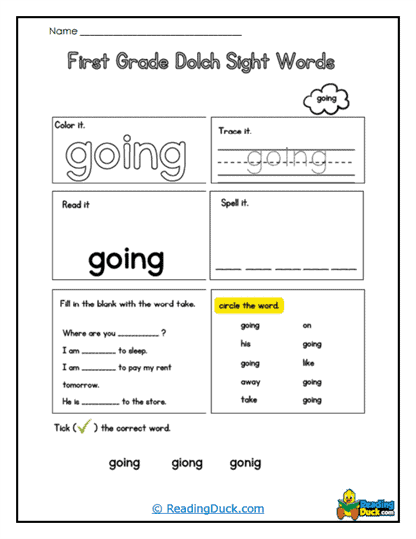
Children write down sight words or trace over dotted outlines. It's like drafting secret messages and then deciphering them with pen or pencil. This builds muscle memory and letter familiarity.
Great during handwriting practice or early morning work.
Bonus: offer neon pens or glitter gel pens for writing flair.
Trace and Find
Kids trace a sight word, then search for it in a jumble elsewhere on the page. It's tracing plus hide‑and‑seek in one. Helps connect writing to visual search.
Perfect for reading centers or fine‑motor skill stations.
Bonus: they can use highlighters to mark all instances for a shimmering effect.
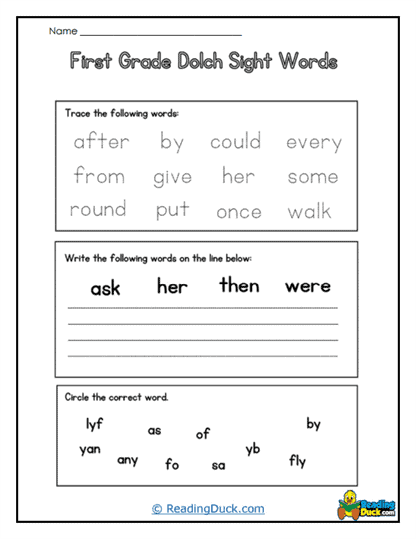
Trace and Write
This takes tracing one step further-trace the sight word and then write it independently below. It's like training wheels, then riding solo. Reinforces both spelling and recall.
Great at desks or calm morning work.
Bonus: challenge them to write it with their non‑dominant hand for fun coordination practice.
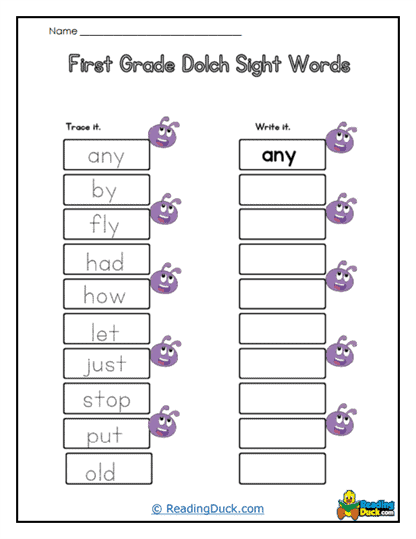
Trace and Write Monsters
Trace sight words using spooky or monster-themed fonts and then write them yourself-think "monster writing!". It's like calling each word a creepy, crawl‑able masterpiece. This fun twist keeps anticipation high.
Awesome for Halloween‑themed lessons or just silly fun.
Bonus: let them add little monster doodles around each word to make it scary‑cute.
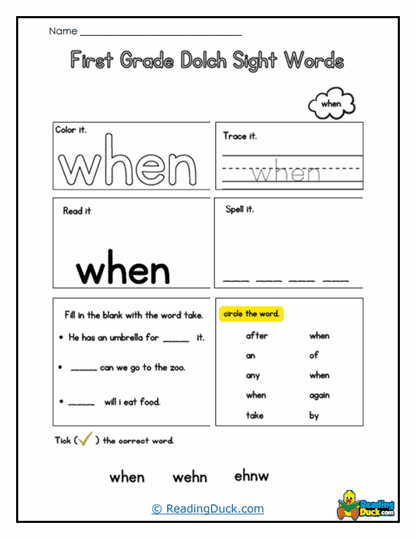
When's The Word?
Sight words keep popping up in different places, and kids circle when they see it. It's like playing "What's the time, Mr. Wolf?" with words. Encourages attention and repeated recognition.
Good for interactive read‑alouds or group play.
Bonus: whisper "when" each time they find the word to add suspense.
Write It Out
Kids get to write the sight words in lines or in sentences-full out writing practice. It's like being an author spotlighting key words in your book. Reinforces spelling, spacing, and formation.
Perfect for small‑group or independent writing time.
Bonus: have them read back what they write for that extra reading boost.
The Full 1st Grade Dolch Sight Word List
over
put
round
some
stop
take
thank
them
then
think
walk
were
when
Example Uses of 1st Grade Dolch Sight Words
Example 1
Sentence: She could stop.
Explanation: "She," "could," and "stop" are all sight words. Recognizing them instantly helps children understand and read the sentence fluently.
Example 2
Sentence: We were going.
Explanation: "We," "were," and "going" are key first-grade sight words. Knowing them by sight makes reading that sentence easy and boosts reading confidence.
Make sure to bookmark our website now.
Enjoy all our free reading worksheets.
Our materials adhere to the principles of the Science of Reading.