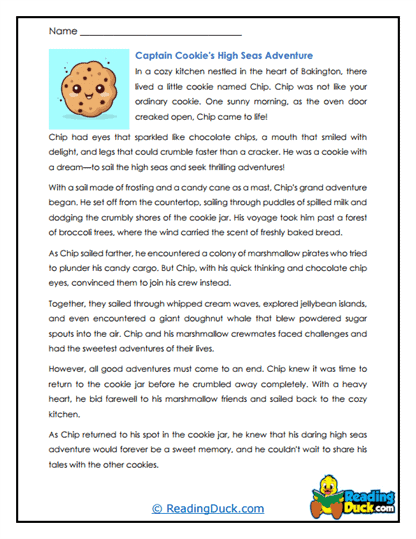
These passages are crafted with just the right length-exactly 250 words-to stretch reading ability without overwhelming the brain. Ideal for emerging readers who are ready for a longer challenge but still need manageable pacing, these fall comfortably around Grades 3-5 (ages approximately 8-11). Most students can complete a worksheet in about 15-20 minutes, balancing depth with focus.
The blend of text and picture keeps young readers engaged, combining visual appeal with structured reading that builds stamina and fluency, like a mini marathon for reading muscles. The controlled length ensures the content is dense enough to introduce more complexity while staying approachable and confidence‑boosting. Plus, each worksheet is delivered in a PDF format and arrives with printable answer keys-making prep a snap whether you're teaching in a classroom or at the kitchen table.
A Look At Each Worksheet
Adventure Playground
Tiny tot explorers get tossed into a 250-word wonderland of monkey bars and slides-without the scraped knees. It's a reading romp full of imagination and action that keeps kids swinging from sentence to sentence. They'll practice identifying setting and main idea faster than a slide descent. This one's like recess for the brain-energetic and fun. And the questions that follow? They send students spelunking for details with the stamina of a jungle gym expert.
Butterfly Princess
Flutter into a tale of a royal butterfly with wings fit for a crown-it's regal and lighthearted. Students explore metaphor, mood, and imagery wrapped in a garden of pastel dreams. It's like reading meets magical dress-up, with enough detail to feel like you're wearing wings. The passage glides along smoothly, helping build fluency even as audiences flutter with delight. Comprehension questions then let readers chase after themes and feelings-like chasing a butterfly across pages.
Candy Kingdom
Enter a sugary realm where castles are built from chocolate, and rivers flow with syrup-pure imagination in 250 words. Readers taste description and narrative as sweetly as cotton candy in literary form. It's sugary enough to delight but structured enough to teach descriptive language and sensory details. Think Willy Wonka meets sight-word practice. And the questions? They ask kids to unwrap meaning just like a surprise candy.
Cuddly Adventure
Snuggle into a cozy 250-word story about a plush friend's unexpected journey. It combines warmth, emotion, and gentle suspense that's perfect for heartwarming comprehension. It's like reading a bedtime story that still builds reading muscles. Students fill in emotional cues and character feelings, wrapping up comprehension like a fluffy toy. The follow-up questions are soft-spoken but clever-probing character motivations with a soft paw.
Enchanted Pencil
What if a pencil could draw magic? This 250-word passage doodles enchantment into every line, sparking creativity as it teaches inference and magic logic. Think of it as a writer's wand disguised as stationery. It's imaginative, whimsical, and perfectly sized to stretch reading fluency like a rubber band. Students practice narrative sequencing and cause-and-effect magic. The questions? They cast spells of critical thinking over the text.
Friendly Monster
What if your monster neighbor were actually kind-and the size of a school bus? This charming passage tames a fearsome creature with friendship, fostering empathy through humor. It pairs chuckles with skill-building: inference, character traits, and comparing expectations. Reading it is like getting a hug from a monster-unexpected, comforting, and giggly. Then the questions prompt kids to consider how kindness can change everything.
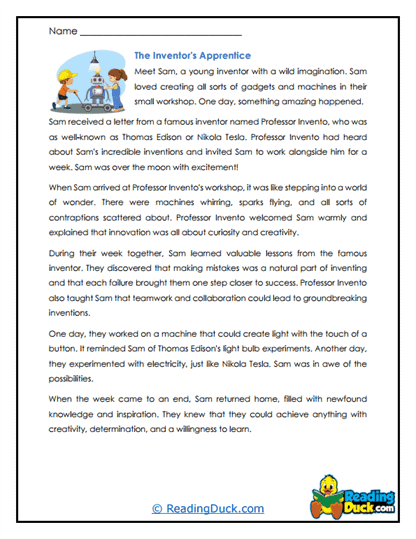
Gadget Guru
Meet a young tinkerer who invents quirky devices-250 words jam-packed with mechanical marvels. Students get to decode tech-y descriptions while imagining wild inventions. The passage builds vocabulary and abstraction, wrapping logic around whimsy. It's like reading a mini-episode of inventive genius, with just enough detail to spark curiosity. And the questions? They challenge readers to sequence steps and understand gadget function-like little engineers.
Ice Cream Detectives
Piecing together clues? Only if they're covered in sprinkles and fudge. This cool 250-word caper pairs mystery with melting treats and curious suspects. Readers become sleuths and taste-testers, practicing deduction with delicious flair. The temperature might drop as they solve the case-but reading confidence rises. Questions sniff out inference skills, prompting readers to identify clues and motives like frozen-treat spies.
Magic Spaghetti
What if noodles could dance? This magically quirky 250-word passage twists imagination and pasta into a fun-filled narrative. Students practice visualizing, sequencing, and identifying imaginative elements. It's like carnival food meets fantasy in a swirl of words. The story builds fluency with rhythm and playful imagery. Then the comprehension checks twirl readers through plot analysis and creative thinking.
Magical Bus
Hop aboard a transit ride that doesn't go to school-but to magical realms instead. In just 250 words, students explore doors to fantasy and color beyond everyday. It's commute reading-but way more thrilling. The passage helps visualize transitions and settings that shift like bus routes. Questions prompt mapping journeys and reflecting on imaginative destinations-perfect for creative cartographers.
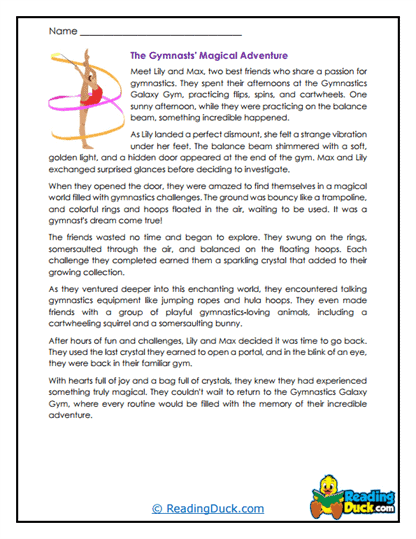
Magical Gymnasts
Flip, twist, fly-this 250-word spectacle showcases acrobatic magic and smooth narrative flips. Students practice identifying sequence, descriptive language, and tone with every somersault. It's prose that moves like a gymnast: fluid, strong, and graceful. The story builds stamina through aerobatic text that's structured and energetic. Questions stretch reasoning-pun totally intended-asking kids to reason about moves, motives, and magic.
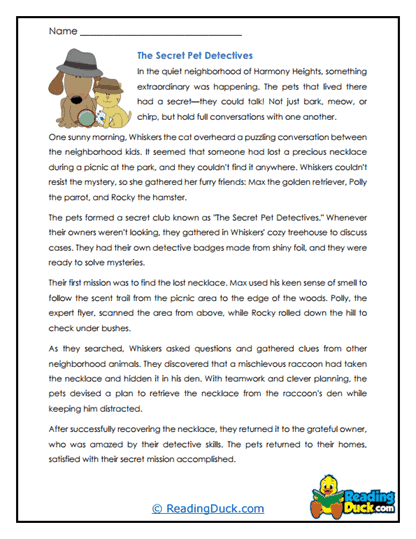
Pet Detectives
A mystery... involving lost pets and amateur sleuths! This 250-word tail-wagging investigation introduces problem-solving and characterization. It's a literary leash guiding kids through clues, suspense, and pet-centric details. The passage fetches comprehension skills and delivers them with heart. Questions ask readers to track clues, motivations, and sequences-just like detectives sniffing out the missing fluffy.
Robo Buddy
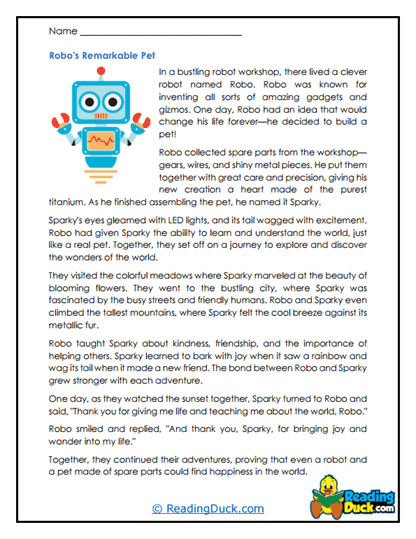
What if your best friend was a robot? In 250 words, friendship gets a futuristic spin with circuits, empathy, and a dash of humor. It's a digital twist on social-emotional learning, with loyalty measured in volts. The narrative builds vocabulary in tech and emotion, balancing logic and heart. Students practice comparing, inferring, and character analysis in a compact, fun format. The questions help connect human-robot bonds in meaningful ways.
Spooky Treehouse Mystery
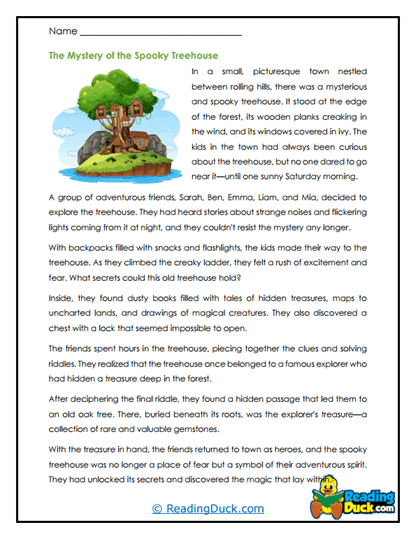
Something eerie hides in a backyard treehouse-creaks, shadows, and 250 words of suspense. It's spooky without spiking fright, a gentle thriller for receptive readers. Like a haunted whisper tucked into a reading nook, it builds suspense and prediction skills. The vocabulary creeps just right, and every sentence ratchets up curiosity. Questions prod logical inferences: what's really going on up that ladder?
Striker Squad
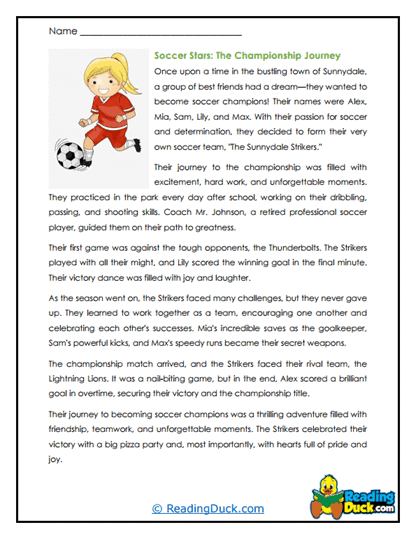
Score! A 250-word sports story about a team, goals, and teamwork that energizes reading skills. It plays like a highlight reel: fast, dynamic, and packed with action. Readers practice main idea, supporting details, and cause-and-effect in a story that sprints across pages. The pace builds fluency like a good drill session. And the questions challenge readers to break down strategy, teamwork, and motivations like seasoned coaches.
Super Slugger
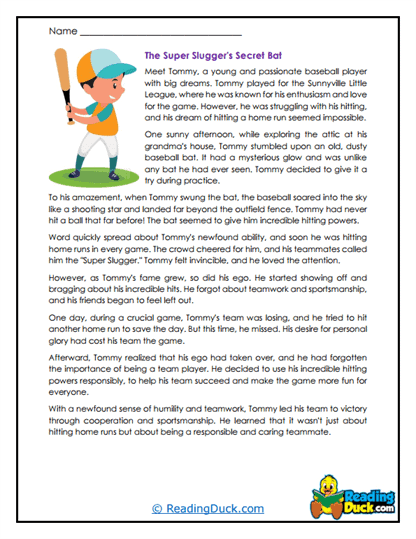
Bat, swing, hit-it's baseball language in a 250-word crack of the bat. The story connects action, anticipation, and sportsmanship in compact prose. Young readers practice sequencing pitches, character intention, and emotional arcs. It's a literary home run: fun, thematic, and developmentally powerful. Questions slide into areas like character motivation, cause/effect, and main idea-perfect for kids rounding the bases of comprehension.
Sweet Seas
Dive into oceanic charm in just 250 words: shells, waves, and maybe a mermaid or two. It's a seaside stroll through setting, sensory details, and gentle discovery. Think reading with sand between your toes-light, lyrical, and richly descriptive. Students build vocabulary through marine imagery and fluid prose. Questions then guide them to unpack setting clues, emotional tone, and descriptive language-like tide pools of detail.
Trophy Mystery
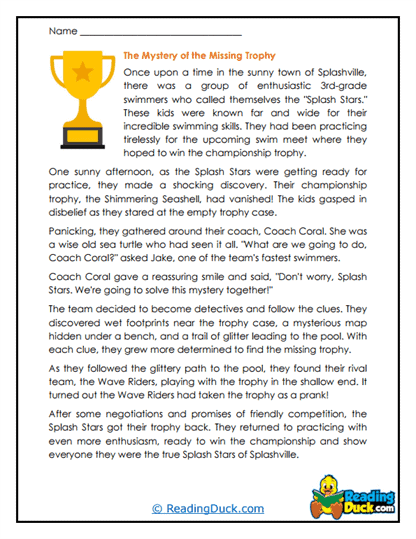
A prized trophy has disappeared-cue investigation in a 250-word narrative that's crisp, curious, and competitive. It's a mini whodunit bubbling with suspense, character clues, and reward anticipation. Readers hone inference, prediction, and character analysis without a word of excess. The pace is quick like the flash of gleaming metal. And the questions? They prompt motive spotting, logical deduction, and plot unpacking-like treasure hunters chasing that golden prize.
Make sure to bookmark our website now.
Enjoy all our free reading worksheets.
Our materials adhere to the principles of the Science of Reading.