Physical Education is more than just jumping jacks and relay races-it's the secret superhero of literacy development, especially for young learners. When reading passages introduce sports like basketball or gymnastics, students don't just read words-they feel the beat of the game, picture the swish of the net, and get hooked. These worksheets bring sporty stories into the classroom, showing that literacy and physical movement aren't rivals but partners in building comprehension and curiosity.
Harnessing the thrill of games like soccer or track and field, our worksheets magically transform reading into a full-body experience-yes, even during quiet desk time! Little ones visualize strategies, positions, and rules, building vocabulary and critical thinking while mentally "playing." It's not just reading-it's reading-through-sport. And trust me, the mental muscle gains are just as strong as the physical ones.
Teachers and parents, get ready to sneak in some secret academic wins: comprehension, new words, strategy, and reflection-all delivered under the guise of sports fun. Whether you're drawing comparisons between football defenses and story plots or asking how a badminton serve is like introducing a main idea, these worksheets weave physical education and literacy into a playful, insightful narrative that sticks.
A Look At Each Worksheet Category
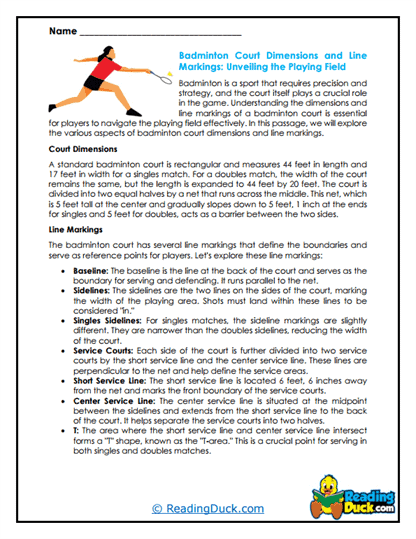
Badminton
This worksheet flits across the net of comprehension, inviting students to explore rules, serving techniques, and match strategy. With sprightly text about shuttlecock speed and court layout, it encourages agility in understanding-much like a swift rally. Perfect for classrooms where both reading and racquet skills get an imaginative boost.
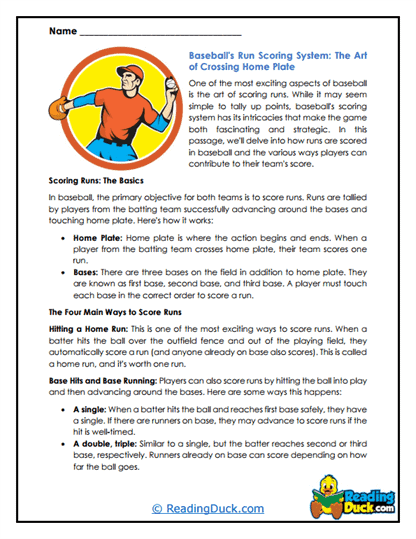
Baseball
Step up to the plate with reading that's as full of action and nuance as America's pastime. Students delve into positions, gameplay rules, and the rhythm of innings, swinging their reading skills for a home run. It's a narrative that plays ball with vocabulary, teamwork, and the thrill of the ninth inning.
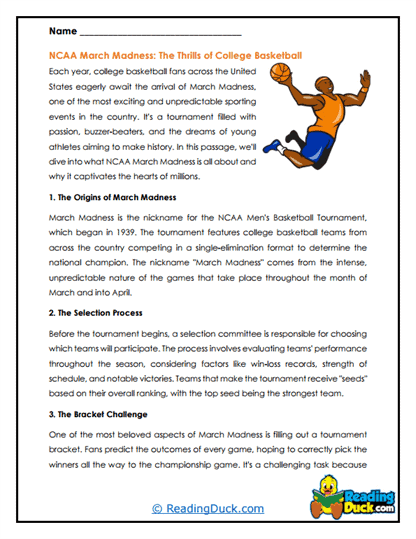
Basketball
Bring out the bounce as students dribble through passages on passing, shooting, and defensive plays. This worksheet scores high in building strategic thinking and reading fluency, all while keeping engagement sky-high like a three-pointer from downtown. It's literacy with a fast break.
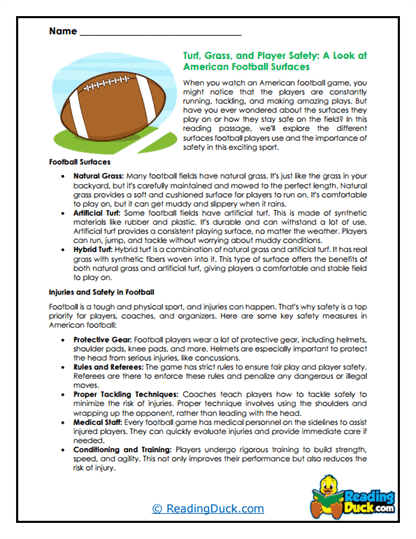
Football
Huddle up for a reading experience packed with intensity, strategy, and positional know-how. Students tackle terminology, offensive and defensive roles, and core rules that deepen understanding. It delivers grit, vocabulary, and playful academic tackling.
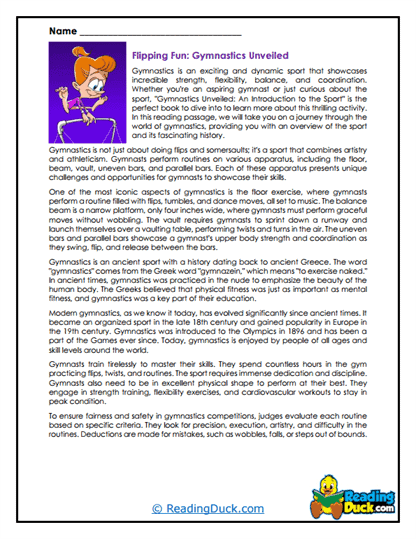
Gymnastics
Twist, leap, and balance your way through reading that celebrates strength, grace, and body control. This worksheet shines with descriptions of vaults and routines that hold students' attention like a perfect pirouette. It's flexible learning that encourages focus and descriptive thinking.
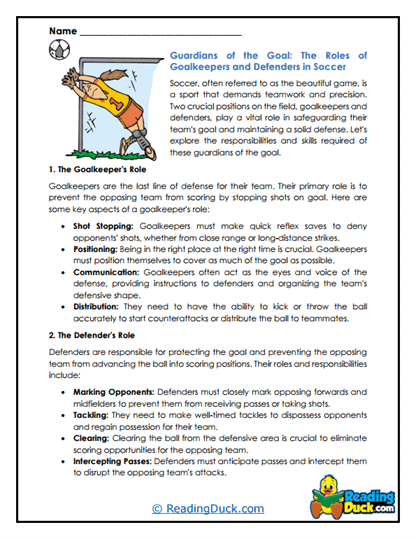
Soccer
Kick off comprehension with passages on dribbling, shooting, and team formations. Students get their feet-and their minds-moving as they navigate rules and player roles. It's reading that scores points in both clarity and cultural global appeal.
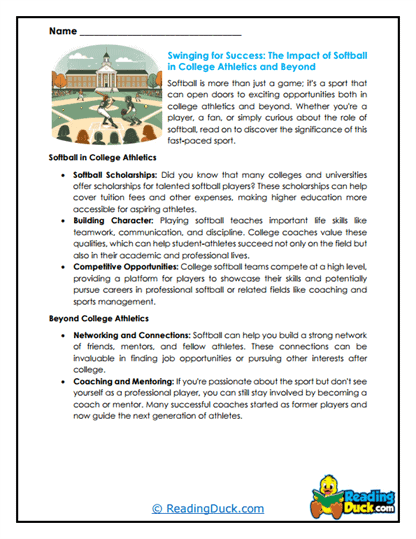
Softball
Slide into literacy with a version of baseball that brings its own flair, from pitching underarm to distinctive field positions. This worksheet rounds the bases on reading about teamwork, rules, and differences between softball and baseball. It's fast-paced learning with a friendly underdog spirit.
Tennis
Serve up reading that's on point with descriptions of forehands, backhands, and match scoring. Students rally their comprehension skills through engaging strategic insights and focused technique vocabulary. It's classy court-side reading with a winning match strategy.
Track and Field
Sprint into comprehension with texts that cover running styles, jumps, throws, and the conditioning behind them. Students explore the mechanics behind speed, stamina, and discipline through lively reading content. It's an academic lap that builds endurance in both learning and curiosity.
Volleyball
Set, spike, and dig your way through reading that focuses on serving, teamwork, and game rules. This worksheet encourages students to collaborate, process sequence, and envision strategy in action. It's literacy that doesn't just stay on the page-it jumps over the net.
A Look At Physical Education (PE)
In the United States, Physical Education-better known as "PE" or simply "gym class"-is more than a chance for students to let off steam. It's a structured, standards-based subject designed to build motor skills, fitness habits, teamwork, and even social-emotional resilience. From kindergarten through 12th grade, PE classes follow a planned curriculum aimed at teaching students not just how to move, but how to live actively and healthily for life. National organizations like SHAPE America and the CDC remind us that when done right, PE also improves focus, boosts academic performance, and teaches life skills like perseverance and cooperation.
But PE today is facing an uphill climb. Participation drops sharply in high school-nearly 69% of 9th graders are enrolled, but by senior year, that number sinks to around 41%. Colleges have also eased off; only about a third now require any PE for graduation. Add in the lingering aftershocks of the COVID-19 pandemic-lower endurance, weaker strength, and less enthusiasm for movement-and the subject is in recovery mode. Many schools are fighting to protect or restore PE time as academic schedules grow tighter, even as childhood obesity and sedentary habits are on the rise.
In a headline-grabbing move this summer, President Trump signed an executive order to bring back the old Presidential Fitness Test, a decades-long tradition that vanished in 2013. Supporters see it as a motivational nod to classic school fitness culture, while critics argue it risks embarrassment for students and misses the bigger picture of health education. Meanwhile, experts at the American College of Sports Medicine and other advocacy groups are pushing for more comprehensive reforms-funding, training, and modern programs that make fitness inclusive, enjoyable, and lasting. The hope is that PE's next chapter will blend tradition with innovation, ensuring every student leaves school ready for a lifetime of movement.
Make sure to bookmark our website now.
Enjoy all our free reading worksheets.
Our materials adhere to the principles of the Science of Reading.