Social Studies is the grand stage where kids explore the fascinating interplay between people, places, and ideas-think of it as cultivating global citizens who think, care, and engage. Our Social Studies Worksheets are curated to cover everything from local heroes to global systems, all while strengthening reading comprehension and critical thought. Each worksheet features a bite-sized nonfiction passage followed by three types of questions: multiple choice for straightforward understanding, short answers to practice expression in one's own words, and open-ended prompts to spark curiosity and personal connection.
This clever structure ensures students learn content-and learn how to think about it. Designed in PDF format, these worksheets are easy to download, print, and use-whether in real classrooms or cozy home offices-with answer keys included to support smooth teaching or self-review. In essence, they're educational passports, welcoming students into a world where history, geography, civics, and global issues are not just studied-they're experienced.
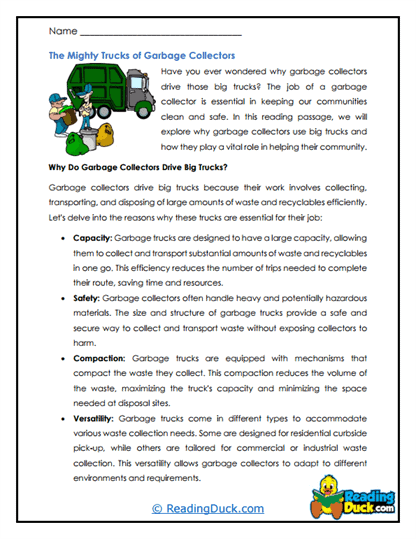
These worksheets introduce students to incredible everyday heroes-like doctors, firefighters, librarians, and sanitation workers-who make communities thrive. Through lively reading passages, students learn not just what these roles are, but the responsibility and compassion behind each one. They answer multiple-choice questions to ensure they've grasped core facts, then dive into short answer questions that encourage reflection on their own experiences with helpers. The open-ended prompts might ask, "Can you describe a time when a community helper made a difference to you or your family?" This deepens empathy and personal connection. Students then consider: What traits do they admire in a helper, and could they see themselves in such a role someday? It's a real-world foundation-building activity that emphasizes both civic understanding and emotional intelligence.
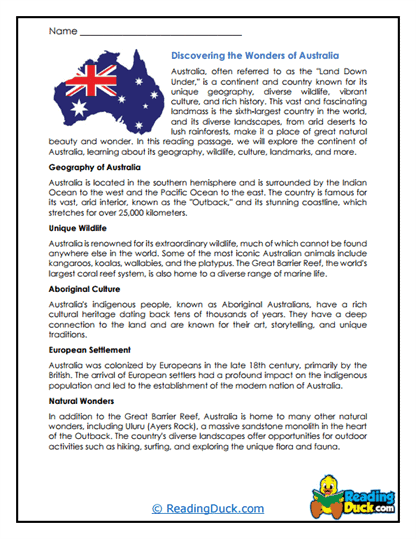
Students are whisked on a global tour of continents-discovering climates, cultures, notable landmarks, and geographical features like deserts, rivers, and mountain ranges. The reading passages are vivid, offering glimpses of life from the Amazon rainforest to the Sahara dunes. Multiple-choice questions test factual knowledge-such as identifying where the Great Wall of China or the Nile River is found-while short answer questions invite comparisons between continents (e.g., climate variations or population density). With open-ended prompts, students reflect on cultural diversity: "Which continent would you like to visit, and why?" or "How might life differ between two continents you've read about?" By engaging imaginations and global awareness, these worksheets foster a sense of curiosity and global citizenship.
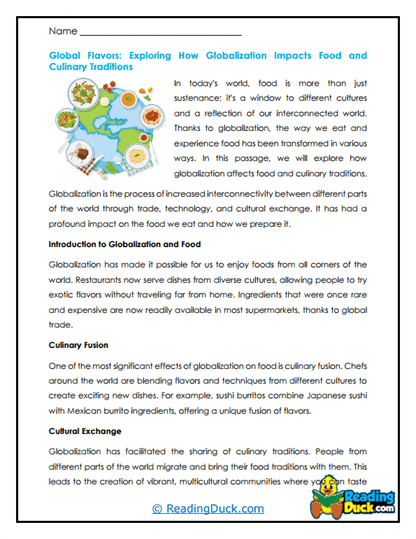
These worksheets unpack the idea that even a cup of comic-flavored bubble tea might be a convergence of world cultures-from which country the tea leaves are sourced to where the tapioca pearls were made. Students read about global trade, cultural exchange, and the flow of ideas, goods, and people across borders. Multiple-choice questions address comprehension, asking students to identify examples of globalization. Short answer questions might ask them to reflect on how globalization shows up in their own lives-perhaps through music, food, or fashion. Open-ended prompts challenge them to weigh benefits (like global cooperation and access) against downsides (like cultural erosion or environmental damage). By connecting the global concept to personal context, these worksheets help students understand their own role in our interconnected world.
Here, students explore the backbone of fairness: the Universal Declaration of Human Rights, civil rights movements, and modern-day examples of inequity or injustice. Reading passages explain why rights matter, stories of standing up for justice, and how laws protect-or fail to protect-people's freedoms. Multiple-choice questions ensure students nail key concepts like "everyone deserves shelter" or "freedom of speech means..." Short answer prompts get them to write about a right they value most, and why. Open-ended questions encourage a deeper dive: "If you could add one right to the Declaration, what would it be?" or "How can students help protect rights in their school or community?" These worksheets don't just inform-they inspire budding advocates for justice and compassion.
Students are introduced to powerful changemakers-NGOs-working behind the scenes to tackle global challenges, from saving endangered species to providing clean water. Reading passages explain how NGOs form, their funding sources, and the difference they make compared to government entities. Multiple-choice questions check understanding ("Which of the following best describes an NGO?"), while short answer prompts invite students to summarize an NGO's mission in their own words. Open-ended prompts take them deeper: "Can you think of an organization you would create to help your community? What would its mission be?" or "How do NGO efforts differ from government actions?" These activities highlight activism, civic responsibility, and creative problem-solving.
Diving into the oceans, students learn about marine life, ecosystems, currents, and human impact like pollution or overfishing. The reading passages might evoke majestic whales, colorful coral, or the mysterious trenches in our seas. Multiple-choice questions check grasp of content like "Which ocean covers the largest area?" Short answer questions ask students to describe one way human activity impacts marine ecosystems. Open-ended prompts encourage students to brainstorm personal or community actions to protect the oceans-like beach cleanups or reducing plastic waste. By blending environmental science with empathy, these worksheets help students recognize their tiny yet powerful role in ocean conservation.
This set guides students through different forms of government: democracy, monarchy, dictatorship, and republic, using real-world examples and simplified explanations of how power is acquired and exercised. Reading passages lay out features like voting systems or leader selection-think kings, presidents, parliaments, or councils. Multiple-choice questions assess comprehension ("Who chooses the leader in a democracy?"). Short answer questions invite reflection: "Which political system do you think offers more freedom, and why?" Open-ended prompts might ask, "How would you design a fair government for your school?" This hands-on thinking nurtures civic literacy and critical reasoning, encouraging students to engage with how societies govern themselves.
Students read compassionate accounts of global and local poverty-how it affects access to education, healthcare, and hope. Passages might describe how lack of resources leads to school dropouts or food insecurity in different parts of the world. Multiple-choice questions ensure understanding of causes and effects. Short answer prompts might ask students to write about the contrast between their life and someone facing poverty, promoting empathy. Open-ended prompts encourage critical solutions-thinking: "What small actions can you take to support someone in your community facing poverty?" or "How might governments or organizations alleviate poverty?" Students are invited to see poverty not as a distant problem-but one they can help address.
These worksheets explore how and why rural communities morph into cities-touching on population growth, urban planning, and infrastructure challenges. Reading passages describe phenomena like skyscraper-packed skylines or the strains of traffic, waste, and pollution. Multiple-choice questions check concepts ("What causes urbanization?"). Short answer prompts have students reflect: "How does urbanization change daily life for families?" Open-ended prompts inspire creative solutions: "If you were a city planner, how would you make the city more livable?" These activities help students understand rapid societal change and spark civic problem-solving.
From colonial days to contemporary issues, students embark on a time-traveling journey through the major events that shaped the United States. Reading passages include tales of independence, suffrage, civil rights, and transformative milestones like the moon landing. Multiple-choice questions confirm understanding-"Which event marked the start of the American Revolution?" Short answer tasks ask students to summarize an event in their own words. Open-ended prompts might ask: "If you could revisit one moment in U.S. history, what would it be and why?" By weaving narrative with critical thinking, students gain context, empathy, and an appreciation for the complexity of their nation's story.
These worksheets bring into focus a precious but finite resource-clean water-and why many communities struggle to secure it. Reading passages highlight issues like drought, infrastructure breakdown, and pollution. Multiple-choice questions test groundwater concepts and resource management. Short answer questions have students reflect on water usage habits. Open-ended prompts prompt creative thinking: "What could you do at home or school to reduce water waste?" or "How might communities ensure everyone has access to clean water?" These worksheets blend urgency with hope, empowering students to become water-wise stewards.
A sweeping look from ancient Mesopotamia to modern revolutions-these worksheets trace humanity's journey through empires, cultural exchanges, wars, and innovations. Reading passages might revolve around the rise of the Egyptians, spread of the Silk Road, or lessons from World Wars. Multiple-choice questions check key points ("Which civilization built the pyramids?"). Short answer prompts encourage summarizing historical trends in students' own words. Open-ended prompts invite empathy and comparison: "How might life in ancient Rome differ from life in your town today?" or "Which period would you want to visit and why?" These activities foster historical curiosity and global identity.
Make sure to bookmark our website now.
Enjoy all our free reading worksheets.
Our materials adhere to the principles of the Science of Reading.