About Our Third Grade Sight Word Reading Comprehension Worksheets
At the third-grade level, students encounter a fresh set of high-frequency sight words-such as about, better, bring, carry, and clean-that often don't follow easily decodable patterns and must be recognized instantly to support fluent reading. The Third Grade Sight Word Reading Passages Worksheets present these critical words within engaging, context-rich reading passages that help students see them in action and reinforce recognition in meaningful ways.
Each worksheet features vibrant, eye-catching illustrations that enhance the reading experience and keep learners motivated. Following the passage, multiple-choice comprehension questions encourage understanding-not just word recognition-by prompting students to think about what they've read.
These handy resources are delivered in downloadable PDF format, complete with answer keys for fast, simple grading-making them ideal for classroom use, reading centers, or home practice.
Regular practice with these passages helps students build automaticity with third-grade sight words, freeing up mental energy to focus on meaning and boosting both reading fluency and confidence as they progress to more advanced text.
Looking At Each Worksheet
Balloon Ride
This passage likely follows a group taking an exciting balloon ride, using sight words such as about, better, bring, and clean to anchor the story. Readers may imagine floating gently above fields as the landscape changes below. Comprehension questions likely prompt students to recall important details-what they saw or how they felt. Sight words appear naturally, as in "bring the basket about." The imagery of sky and elevation makes word spotting vivid and memorable. This worksheet blends poetic visuals with essential sight word reinforcement.
Brave Sparky
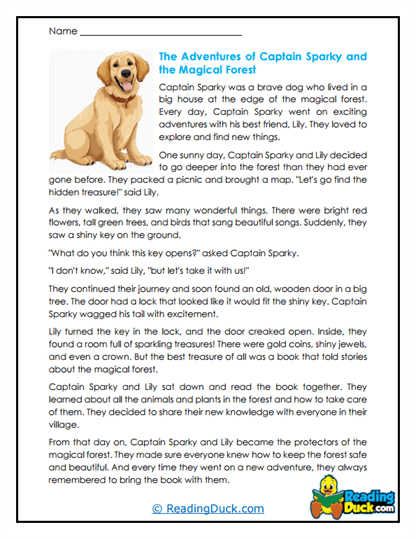
This passage may center on a brave dog named Sparky who performs a heroic act, with sight words like carry, fall, draw, and light woven into the narrative. Students follow Sparky's courageous journey, perhaps rescuing a friend or facing a challenge. Comprehension questions likely ask what Sparky did or where he went. Sight words such as "carry me out" and "light the way" serve as language anchors. The emotional heart of the story makes sight words stick. This worksheet ties bravery to literacy in an uplifting way.
Forest Quest
Set in the woods, this passage probably sends a character on a quest through the forest, featuring sight words like far, full, grow, and got. Readers may picture towering trees, wildlife, and hidden paths along the way. Comprehension questions may focus on what the character found or how far they traveled. Sight words appear in descriptive phrases-"grow the courage," or "got full circle." The adventurous scope captures imaginations while supporting fluency. This worksheet turns sight words into part of a forest adventure.
Hero Pup
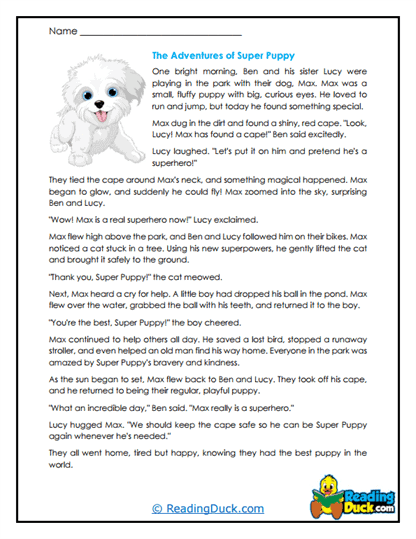
In this story, a hero pup might help someone in need, with sight words such as hold, hot, hurt, and if threaded through the dialogue. Young readers could follow the pup's timely help on a hot day or rescuing a friend who is hurt. Comprehension tasks likely ask how the pup helped and what happened next. Sight words anchor empathy and action-"hold the door," or "if you're hurt." The heartfelt tone deepens word memorability. This worksheet blends compassion with sight word practice.
Map Mystery
This passage may explore a mysterious map that leads to discoveries, using sight words like keep, kind, laugh, and long in the storytelling. Readers are invited to decode clues, giggle at surprises, or imagine a journey of unknown length. Comprehension questions could ask where the map leads or how the characters react. Sight words appear as part of dialogue or description-"keep the path long," or "kind clues that make you laugh." The intrigue encourages engagement with the text and words. This worksheet merges mystery and literacy in a playful way.
Secret Garden
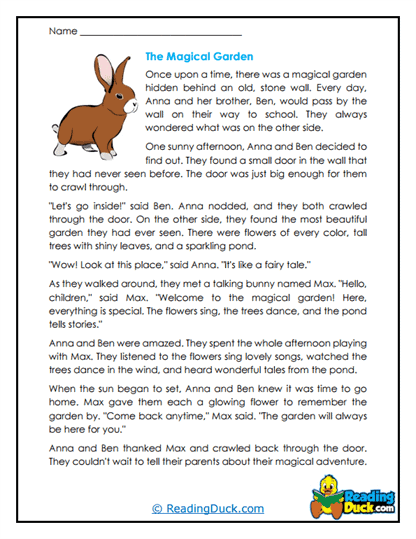
Here, students may enter a secret garden full of wonders, with sight words like much, myself, never, and only woven into the narrative. Readers explore blooms and hidden paths, envisioning growth and surprise. Comprehension questions likely focus on what the character found and how they felt inside the garden. Sight words appear in narrative reflections-"I never thought I'd discover only this," or "much beauty surrounds me." The magical setting helps sight words feel enchanting. This worksheet invites wonder alongside fluency development.
Space Bunny
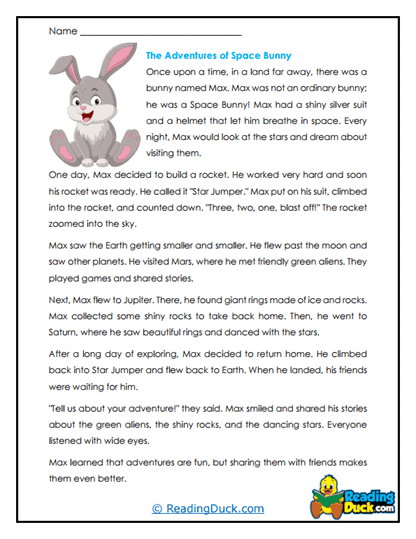
This imaginative passage may feature a bunny exploring space, using sight words such as pick, seven, shall, and show as part of the cosmic journey. Readers imagine stars, moon craters, or floating among planets. Comprehension questions may ask what the bunny discovered and how. Sight words appear in imaginative commands-"pick a star," "shall we float," or "show the galaxies." The fun space theme keeps young readers engaged and curious. This worksheet blends cosmic wonder with meaningful sight word exposure.
Space Zoo
Continuing the cosmic theme, this story might send students to a zoo in space, featuring sight words like six, small, start, and ten. Readers envision alien creatures, floating habitats, and out-of-this-world caretakers. Comprehension questions may focus on the creatures or where the zoo is located. Sight words appear within descriptive lines-"the small alien," "start with six," or "ten stars above." The unique concept makes sight words feel like part of an interplanetary adventure. This worksheet brings novelty to reading practice.
Time-Train
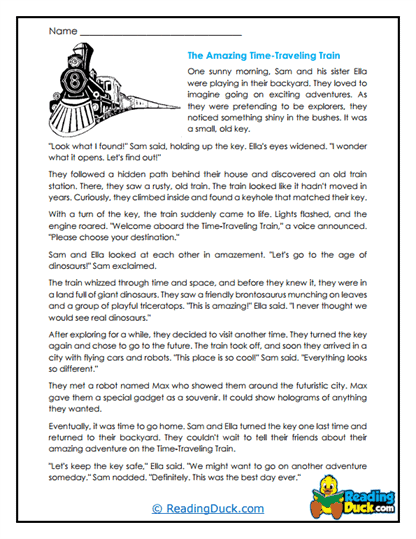
This passage may describe a time-traveling train, with sight words such as today, together, try, and warm woven into the adventure. Readers may be pulled through ages-from ancient to modern-all aboard a magical train. Comprehension tasks could ask where and when the train travels. Sight words anchor the story's movement-"together we try," "today feels warm," or "try again tomorrow." The mixture of time and travel captures attention while reinforcing word patterns. This worksheet fuses imagination and fluency.
Treasure Hunt
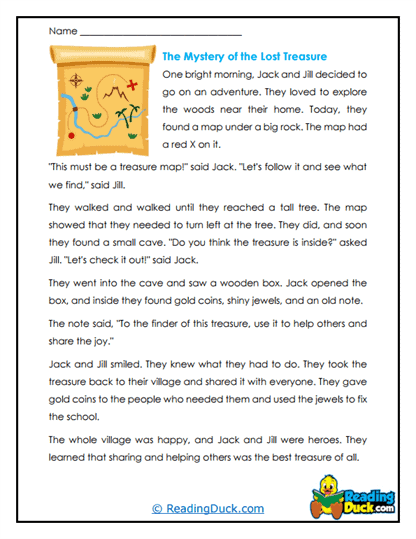
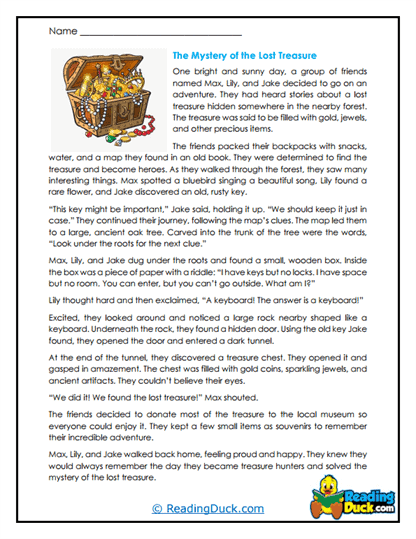
In this classic adventure, readers may join a treasure hunt, with sight words like draw, bring, carry, and find embedded in the action. Students recall maps, dig sites, or secret chests. Comprehension questions likely ask what the characters found or how they got there. Sight words appear in helpful directions-"bring the map," "carry the chest," or "find the treasure." The excitement of searching makes word spotting feel active and rewarding. This worksheet turns sight word learning into a thrilling quest.
An Example Third Grade Sight Word Reading Passage
Mia and her friends gather today for a treasure hunt inside an old, full attic. They start by drawing a map and carrying boxes to find the secret chest. Because the room was dark, they needed to bring light and never stop trying until they found it. Only when the chest finally opened did they laugh together at the bright jewels inside. The warm glow made their discovery feel even more magical than they expected. Mia said, "This is the best hunt ever-and I know we did it together!"
Where Is The Third Grade Sight Word Pattern?
You can spot third-grade sight words such as today, full, start, draw, carry, never, bring, only, warm, together, best, know throughout the passage.
For example, "They start by drawing a map and carrying boxes to find the secret chest" includes start, draw, carry, and find.
Another example is "Only when the chest finally opened did they laugh together at the bright jewels inside", containing only, together, and find (implied). These sight words blend seamlessly into the story, reinforcing recognition in engaging context.
Make sure to bookmark our website now.
Enjoy all our free reading worksheets.
Our materials adhere to the principles of the Science of Reading.