Sight words are common, high-use words like the, said, come, and because that often don't follow regular phonics rules. Since they can't always be sounded out, students need repeated exposure to recognize them quickly and easily. These high-frequency word worksheets help by placing those important words into short, meaningful stories so children can learn them naturally in context instead of in isolation.
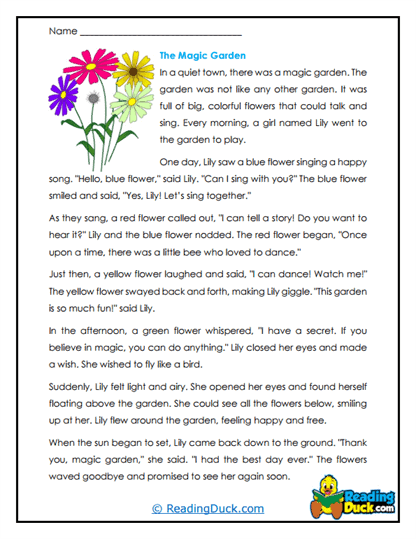
Each worksheet pairs an engaging passage with targeted sight words, comprehension questions, and colorful illustrations. By weaving sight words into real sentences, students not only memorize them but also see how they function to hold sentences and stories together. This practical approach helps learners build fluency while still practicing comprehension.
Practicing sight words through reading comprehension passages bridges two skills at once: automatic word recognition and story understanding. Over time, children learn to spot sight words quickly, which makes their oral reading smoother and their silent reading more meaningful. These worksheets make sight word learning both fun and purposeful.
Looking At Each Sight Word Reading Worksheet Category
Pre-Primer Sight Word Reading Passages
The Pre-Primer set introduces the earliest sight words-simple, high-frequency words such as a, and, I, the, to, and is. These passages are written with repetition and predictability in mind, giving young readers plenty of practice recognizing and reading the same words in different contexts. The simple structure builds confidence and supports emergent readers as they move from isolated word lists to connected text.
Because the stories are short and repetitive, comprehension questions stay simple and accessible. Students might be asked who is in the story, what the character did, or where something happened, giving them a chance to apply understanding while still focusing on the words themselves. The combination of sight word repetition and basic story comprehension lays the groundwork for reading fluency.
Primer Sight Word Reading Passages
Primer passages expand on the Pre-Primer list by introducing words like all, are, be, like, please, and she. These passages increase slightly in length and variety, giving students more opportunities to see sight words used in new sentences. By stretching sentences beyond the simplest structures, the Primer passages challenge students to track words and meaning together.
Comprehension questions become a little more involved, asking students to recall sequence, make simple connections, or explain character actions. As learners notice sight words across multiple contexts, their reading confidence grows. The steady step-up from Pre-Primer to Primer passages helps children feel successful while broadening their sight word recognition.
First Grade Sight Word Reading Passages
The First Grade collection includes passages such as Balloon Ride, Beach Fun, Farm Friends, Flower Melody, Forest Friends, Garden Quest, Kite Adventure, Lost Puppy, Sky Balloon, and Space Journey. Each story is lively and appealing, ensuring students stay motivated while practicing sight words like the, was, said, she, and many more. The engaging topics keep kids entertained while exposing them to important words again and again.
The comprehension questions in this set require readers to pay attention to detail-asking who said what, what happened first, or how the story ended. As they answer, students see that sight words are the glue holding the sentences together, which reinforces their importance. These worksheets effectively blend narrative interest with phonics-resistant word mastery.
Second Grade Sight Word Reading Passages
At the second-grade level, students encounter more advanced sight words such as because, first, found, would, and their. The passages also become more sophisticated, using longer sentences and richer vocabulary. These texts challenge readers to recognize sight words quickly in the middle of more complex language, which strengthens fluency.
The comprehension activities encourage readers to infer meaning, summarize, and explain character actions using evidence from the text. As students practice, they gain not just instant recognition of sight words but also confidence in navigating connected reading. The combination of skill reinforcement and story depth makes these passages an ideal next step in sight word mastery.
Third Grade Sight Word Reading Passages
This advanced set focuses on high-utility sight words like about, full, laugh, together, and warm. The passages at this level are longer and ask students to follow richer themes, preparing them for upper elementary reading demands. The sight words appear naturally in the flow of each story, helping students master them without breaking their focus on meaning.
Comprehension questions ask for deeper analysis-why characters acted as they did, what lessons were learned, or how the story's events connect. These worksheets build reading stamina as well as automatic word recognition. By the third-grade level, children are learning to integrate sight words seamlessly into their fluency, comprehension, and overall love of reading.
Make sure to bookmark our website now.
Enjoy all our free reading worksheets.
Our materials adhere to the principles of the Science of Reading.