The short i sound-think words like sit, pin, and lip-is a foundational building block in early reading development. It appears frequently in simple, high-frequency words, so learning to recognize and pronounce this sound correctly can boost decoding fluency and confidence. Our Short I Reading Passages Worksheets embed this vowel sound within meaningful, engaging stories, helping students connect phonics with comprehension naturally.
Each worksheet features a lively, illustrated reading passage that uses the short i sound repeatedly and purposefully within a narrative context-making phonics learning feel like real reading. Accompanying each passage are multiple-choice comprehension questions that reinforce both story understanding and phonics awareness, prompting students to apply what they read while tuning into the short i.
These resources are conveniently formatted as downloadable PDFs and include teacher-friendly answer keys for fast feedback. That means they're easy to use in any learning setting-whether at home, in the classroom, or during tutoring sessions-while seamlessly integrating phonics practice and reading comprehension.
Looking At Each Worksheet
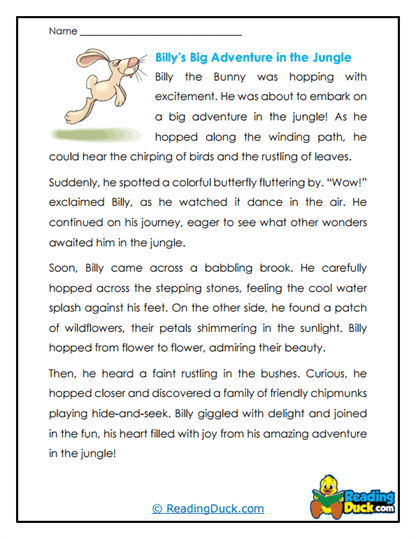
Bunny Bounce
This story likely centers on a playful bunny hopping across a garden floor, where words like sit, skip, nip, and bib help students notice the short i sound in motion. The rhythm of the bunny's hops keeps readers engaged, while comprehension questions may focus on what the bunny does or where it goes next. As kids read, they'll naturally pick up short i words tucked into the narrative, reinforcing phonics awareness. This passage combines fun imagery with decoding practice, making phonics memorable. It subtly connects the sound to action and story details. It's ideal for playful, active reading sessions.
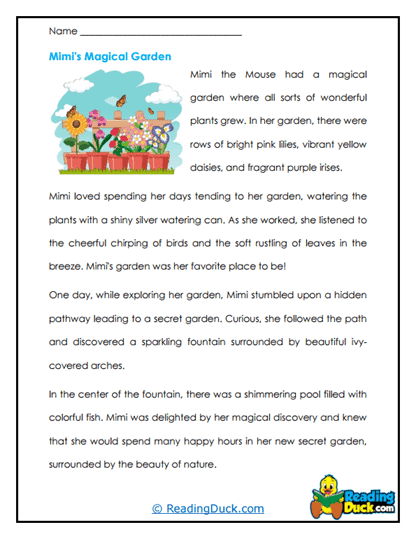
Garden Glee / Goat Glee
This scene may feature a goat grazing or goats frolicking in a colorful garden, where animals nibble on things like dill or fig, reinforcing short i sounds. The passage likely mixes playful descriptions of goats in a garden setting, making the reading lively and tactile. Comprehension prompts might ask what the goats did, what they liked to eat, or how the garden looked. Students can listen for or highlight dig, fig, skip, and other short i words while visualizing the scene. It turns phonics into a sensory experience. The poem-like structure (glee theme) makes the vowel sound rhythm stand out.
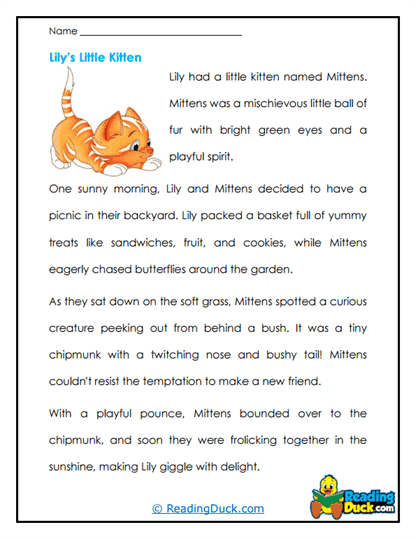
Kitten Fun / Lion's Zoo Day
In Kitten Fun, kids may follow a small kitten chasing string in a dim room-words like kit, lid, wig, and mitt help them focus on the short i sound. Lion's Zoo Day might show a lion in its zoo habitat, maybe sitting on a sill or sipping water, with short i words intertwined (like sill, nip, sip, picnic). Comprehension questions might explore what the kitten or lion does and where. As they read, children will pick up on kit, sit, nip, and similar words naturally in context. The cute pet setting helps make phonics relatable. It's great for connecting sound patterns with familiar animals.
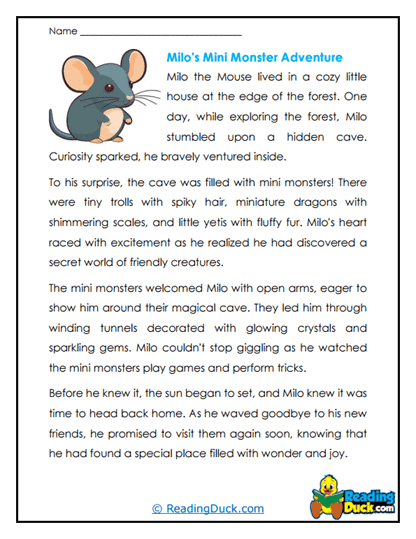
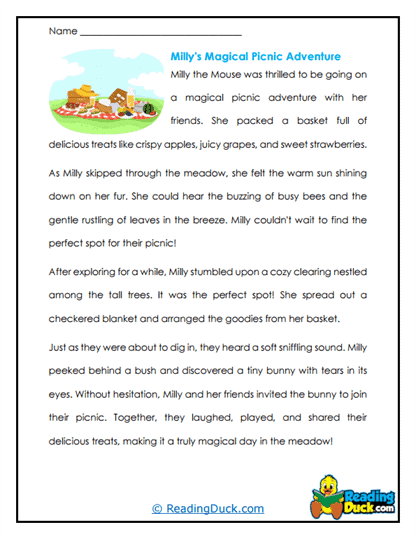
Mouse Mystery / Mouse Picnic
These stories likely involve a little mouse exploring or enjoying a picnic, with plenty of short i words like mice, fill, sit, * picnic*, nip, or twig creating mystery or outdoor fun. The mystery version might burst with clues ("the mice hid a lid in the box"), while the picnic version may include what the mouse eats or where it sits. Students may answer questions about what happened or what the mouse found. Repeated exposure to sit, pin, mice, and twig build decoding skills in context. The gentle suspense or outdoor imagery keeps students curious and engaged. These passages seamlessly blend phonics with story discovery.
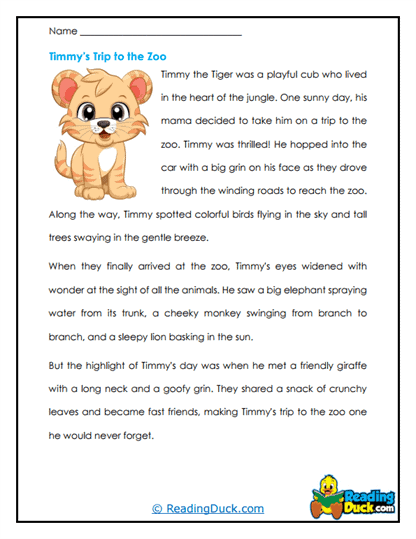
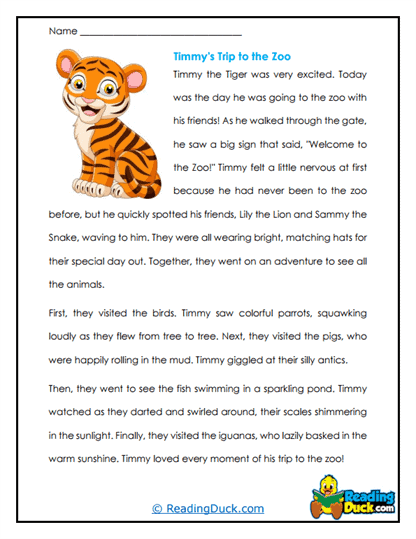
Teddy Tale / Tiger Tale Teddy Tale imagines a teddy bear embarking on a small adventure-maybe slipping, sitting in a nook, sipping juice, or wearing a mitt. Tiger Tale could follow a tiger in the wild, prowling in a thicket or sitting near a hill-tying in words like tig, sip, twig, ring. Comprehension prompts might ask what the teddy or tiger did, where they stopped, or how they felt. Readers naturally notice sit, tip, ring, and other short i words as they follow the story. The teddy or tiger characters make the phonics pattern memorable through narrative. These are fun, slightly imaginative takes that blend sound practice with character charm.
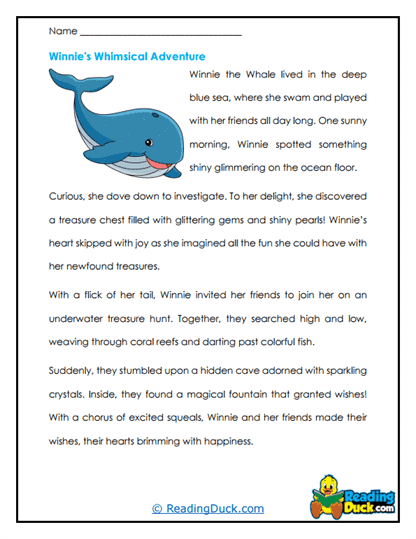
Whale Wonder
This one likely plays with an imaginative whale story-perhaps a whale swimming in a big pit or snorkeling among shipwrecks-featuring short i words like whim, tip, ship, sink, shrimp. Comprehension questions may invite students to describe the whale's adventure or what it discovered. The contrast of underwater setting with i sounds makes it unexpected and captivating. Children will notice words like ship, sink, and shrimp in a surprising context. It reinforces decoding while inviting imaginative thinking. It's perfect for blending phonics with creative storytelling.
An Example Short I Reading Passage
Lily's little kitten sat in a dim big tin, nibbling on a thin stick as it played with a tiny lid. She flitted her paws at the kitten, smiling as it skipped out of the tin to sip milk from a tiny dip. The kitten sits still for a minute, then gives a little wiggle and hops onto a striped pig toy, making Lily giggle with delight.
Where Is The Short I Pattern?
You can spot the short i sound in words like Lily, kitten, sit, tin, nibbling, thin, stick, lid, kit, skip, sit, sip, tiny, sits, wiggle, and giggle. These examples spread the short i pattern across characters, actions, and objects, helping learners notice the sound in different words and contexts.
Make sure to bookmark our website now.
Enjoy all our free reading worksheets.
Our materials adhere to the principles of the Science of Reading.