About Our Silent B Reading Comprehension Worksheets
Our Silent B Reading Passages Worksheets give young readers an exciting way to master one of English's trickiest phonics patterns-the silent b. This pattern appears in words such as climb, thumb, and lamb, where the letter "b" is written but not spoken. These worksheets are designed to help students recognize this unique feature through engaging passages that weave silent B words into meaningful stories.
Each worksheet offers a short reading passage filled with examples of the silent B pattern, along with comprehension questions that encourage readers to think carefully about what they've read. The passages make the phonics pattern clear while also supporting reading fluency and understanding. Students practice noticing, decoding, and applying the silent B sound while making sense of the story's characters, settings, and events.
By working with these passages, learners gain confidence in both their decoding and comprehension skills. Spotting the silent B helps them strengthen spelling awareness, while answering the comprehension questions builds their ability to understand and discuss connected text. This balanced approach turns phonics practice into a fun, story-driven reading experience.
Looking At Each Worksheet
Bear's Climb
A curious bear sets out on a mountaintop adventure, where he faces steep paths and hidden surprises. Along the way, words like climb, lamb, and thumb reinforce the silent B pattern. Students follow the bear's journey while answering questions about the sequence of events and key details. The story helps learners connect silent B words to meaningful reading. As they read, students can underline silent B words to notice the spelling pattern more clearly. This worksheet combines phonics practice with story comprehension in an engaging way.
Brave Bee
In this story, a tiny bee shows enormous courage as it explores the garden and beyond. Words such as comb, dumb, and lamb appear naturally in the passage, making the silent B easy to spot. The comprehension questions guide students to recall events and understand the bee's bravery. The phonics skill connects directly to the theme, showing how silent letters often appear in familiar words. Students can practice saying each word aloud to hear how the "b" disappears in pronunciation. This makes phonics practice active and memorable.
Bubble Fun
Children laugh and play with bubbles, and words like numb, thumb, and crumb add in the silent B pattern. The passage uses a playful tone that makes the story lively and relatable. Comprehension checks focus on visual details and the order of actions, keeping students engaged. At the same time, silent B words are highlighted as part of the fun. Readers can circle these words and notice how they sound different than they look. It's a perfect mix of phonics and joyful reading.
Bumblebee's Secret Find
A busy bumblebee discovers a treasure hidden deep in the meadow. Words like comb, crumb, and tomb enrich the passage while giving clear examples of silent B. Students are asked to follow the sequence of clues and make inferences about the bee's find. The phonics focus becomes a part of the mystery, as silent B words appear in key places. Learners can practice whispering the words, noticing that the "b" stays quiet. This worksheet turns decoding into a game of discovery.
Climbing Discovery
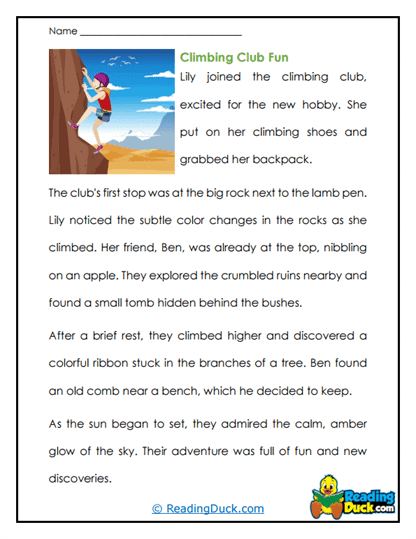
A group of explorers sets out on a big climb, determined to reach the top of a cliff. Along the way, they encounter words like climb, subtle, and debt, each carrying the silent B challenge. Questions encourage students to focus on descriptive words and sequence, supporting comprehension. The phonics element ties directly into the action, showing that silent letters are part of real words in exciting contexts. Students can highlight or list the silent B words as they go. This turns climbing into both an adventure and a literacy exercise.
Garden Mystery
A quiet garden hides many secrets, including words like lamb, bomb, and numb. The story invites readers to uncover clues while following along with the mystery. Comprehension questions emphasize problem solving and sequencing. The silent B words are woven into the puzzle, giving readers a reason to pay close attention. Learners can sketch the garden and label objects with silent B words they find in the text. This blends creativity with phonics awareness.
Ninja's Mission
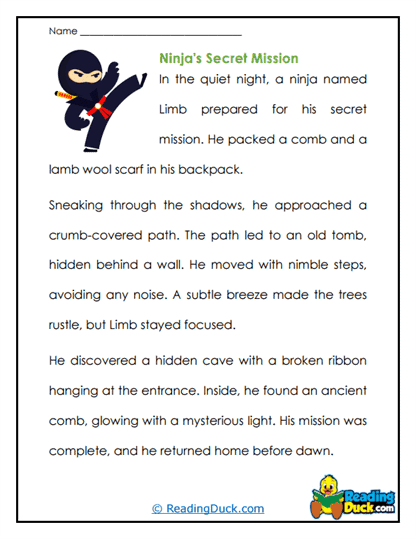
A clever ninja sneaks through the night, guided by puzzles that contain words like crumb, numb, and tomb. The passage builds excitement while also drawing attention to the silent B pattern. Questions focus on cause-and-effect and key actions of the ninja. The silent B words feel like secret codes for students to uncover. Reading aloud in a "ninja whisper" makes the phonics practice even more fun. This worksheet connects phonics practice to imaginative play.
Robot's Adventure
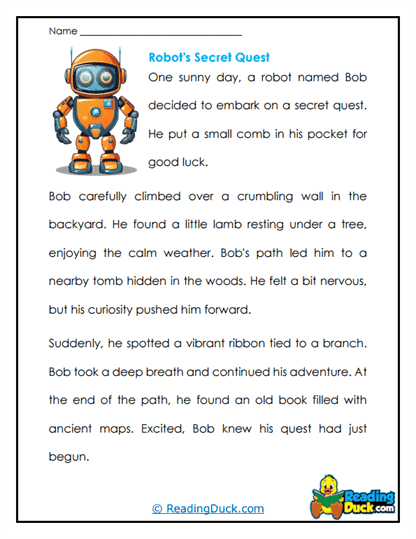
In a futuristic world, a robot sets out on an important journey. Words such as bomb, lamb, and thumb appear throughout the text, helping students see the silent B in action. Comprehension questions check for understanding of sequence and main ideas. The mix of technology and silent letters gives the story an interesting twist. Students can pretend to read the words in a "robot voice," noticing how the "b" stays silent. This playful approach makes phonics practice unforgettable.
Thumbelina's Quest
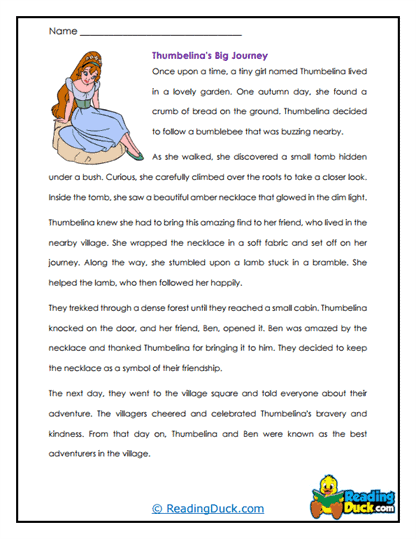
Tiny Thumbelina embarks on a daring adventure, full of challenges and surprises. Silent B words such as thumb, comb, and tomb appear naturally in her journey. Students are asked comprehension questions about setting and sequence, encouraging deeper understanding. The phonics skill is closely tied to the character's name, making the lesson memorable. Readers can slowly say "Thumbelina" to hear the silent B before hunting for other examples. This worksheet mixes fairytale fun with focused phonics practice.
Treasure Hunt
Young adventurers search for hidden treasure, guided by clues that include silent B words like climb, bomb, and numb. The passage makes the hunt feel exciting and rewarding. Comprehension questions focus on following directions and recalling story details. The silent B pattern becomes part of the treasure-finding game. Students can draw a treasure map and label each step with a silent B word they discover. This activity brings reading, phonics, and creativity together.
An Example Silent B Reading Passage
Mia found a secret tomb hidden beneath the old garden wall. She climbed down the ladder slowly, her thumb brushing against smooth stones. In the dusty corner lay a crumb of golden bread-maybe a snack left by someone long ago. She felt a numb excitement in her fingers as she reached for it, careful not to wake the silent shadow nearby. Despite the silence, her heart thumped loudly in her chest, and she knew she'd uncovered something truly magical.
Where Is The Silent B Pattern?
You can spot the silent B in words like tomb and crumb. In each case, the "b" is written but not pronounced, showing students how English spelling often hides surprises.
Make sure to bookmark our website now.
Enjoy all our free reading worksheets.
Our materials adhere to the principles of the Science of Reading.