About Our Silent W Reading Comprehension Worksheets
Silent W is a common yet often challenging phonics feature, where the letter "W" appears in words like write, wrist, answer, wreck, and who, but isn't pronounced. These words can trip up young readers who rely on phonetic decoding. By encountering silent-W words in meaningful reading passages, students can better recognize these patterns and read more fluently.
This worksheet collection offers reading passages that integrate silent-W words naturally into engaging stories, each accompanied by colorful illustrations and targeted comprehension questions. The visual context supports comprehension, while the questions encourage students to pay attention to both the meaning of the text and the tricky silent-W spellings. Available as easy-to-use PDFs with answer keys, these resources are highly versatile-perfect for classrooms, tutoring, literacy centers, or at-home learning.
Using Silent W worksheets regularly strengthens students' decoding skills and builds confidence. As students become more familiar with silent-W patterns, their reading fluency improves, freeing them to focus on comprehension and deeper understanding of the text.
Looking At Each Worksheet
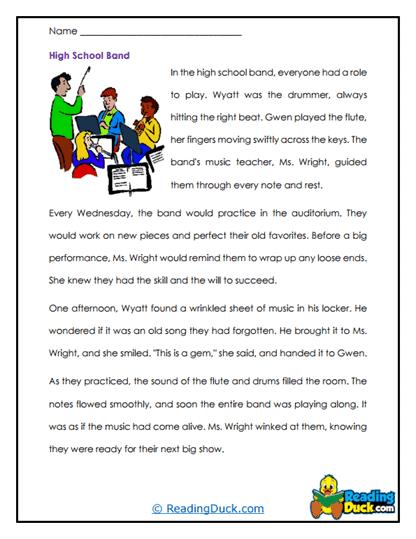
Band Beats
Students follow the rhythm and excitement of a school band performance, where words like wrist and write may appear in the narrative. The questions direct attention to the sequence of events and the sound elements described, encouraging awareness of silent-W spellings. The descriptive imagery adds an auditory dimension, helping students visualize and connect to the actions. While enjoying the musical storyline, readers are prompted to notice the silent "W" within common words. This worksheet blends phonics and sensory detail to support both fluency and comprehension.
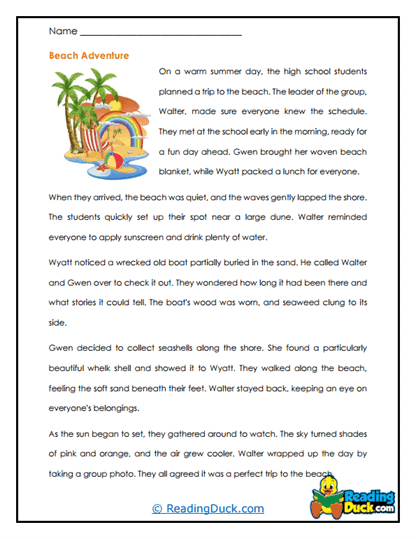
Beach Bliss
This passage transports students to a peaceful beach scene, where characters wade in the water or wrestle with sandcastles. Silent-W words are woven into action verbs and setting details, enhancing realism. Comprehension items focus on setting, characters' actions, and mood. The imagery of sandy shores and gentle waves helps ground understanding. As students read, they are encouraged to spot silent-W patterns even in familiar verbs. The blending of vivid visuals and phonics practice makes reading both immersive and instructive.
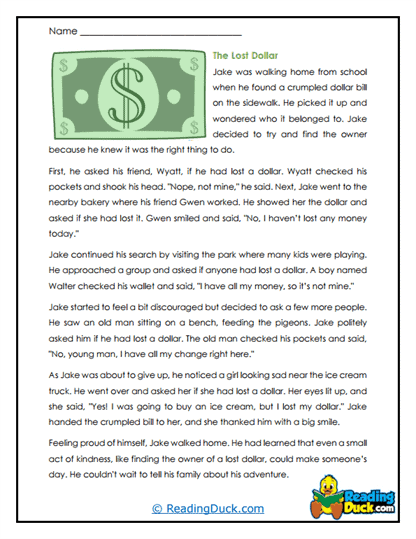
Dollar Discovery
A character stumbles upon a hidden dollar bill in an unexpected place, with words like wrinkle or wrong quietly embedded in the clues. Questions guide readers to piece together the discovery's sequence and the meaning of descriptive vocabulary. The mystery element engages curiosity, while visuals add context. Students are invited to notice how the silent-W influences word structure in familiar settings. This combination of intrigue and phonics reinforcement supports decoding and comprehension together.
Final Football
This sports-themed passage captures the tension of a final football match, referencing words like wristband or wrinkle in the players' prep descriptions. Comprehension questions highlight key moments, player roles, and vocabulary usage. The vivid imagery of game day excitement pulls readers into the scene. While following the sports narrative, students are subtly prompted to recognize silent-W words embedded in action descriptions. This encourages fluent reading and heightened phonics awareness in a dynamic context.
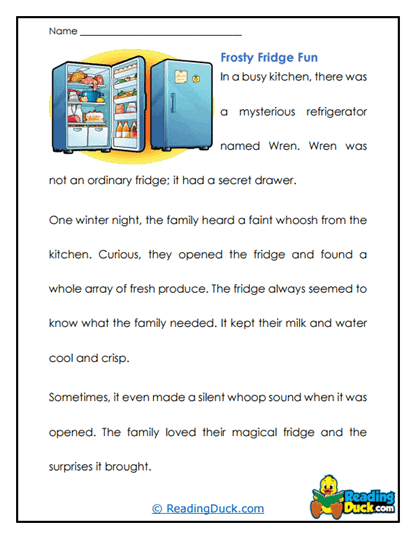
Fridge Fun
A lighthearted story unfolds around funny things happening in and around a refrigerator, with words like wring or write hiding in the dialogue or captions. Comprehension focuses on humor, sequence, and word meaning, backed by playful illustrations. The silly, everyday scenario makes decoding the silent-W both fun and relevant. Students can spot how the "W" remains silent in otherwise common words. This worksheet combines humor, context, and phonics in a memorable reading practice.
Market Moments
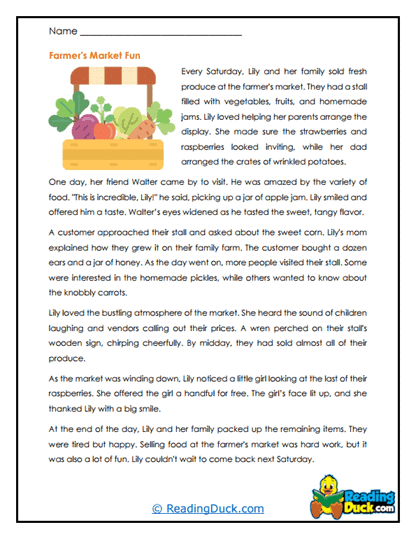
Set in a bustling market, this passage features characters who wrap, wrestle with bags, or wrote a list silently. The narrative encourages attention to detail amid the crowd of sights and sounds. Questions probe setting, tasks, and word meaning, while the visual market scene adds authenticity. Students are prompted to spot silent-W patterns that naturally occur in everyday storytelling. This supports both reading comprehension and real-world phonics recognition.
Snowman Story
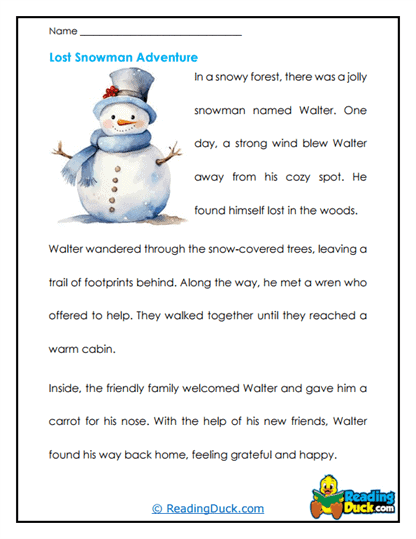
A wintry tale describes building a snowman, with words like wring (cold mittens) or wrong (melting) included subtly. Comprehension questions invite readers to follow steps, setting, and cause-and-effect. The snowy imagery reinforces context and tone. While reading the seasonal narrative, students learn to see how silent-W functions in descriptive language. This blend of mood, setting, and phonics makes for an enriching reading activity.
Teleporting Tim
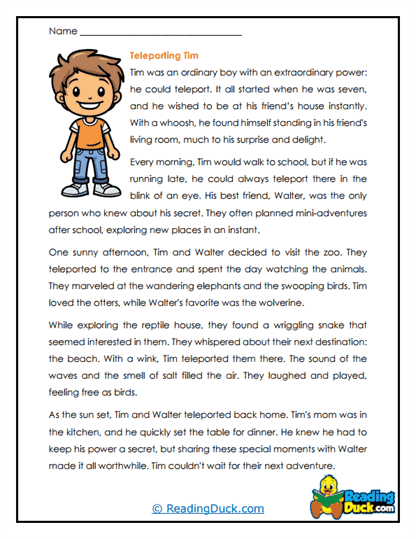
In this imaginative adventure, Tim teleports from place to place, encountering words like wrinkle or write in unexpected contexts. Comprehension tasks prompt readers to track the teleportation sequence and grasp key vocabulary. The vibrant scenes of sudden location changes spark imagination. Despite the fast-paced journey, students are encouraged to notice silent-W patterns embedded in the text. This worksheet supports decoding fluency and narrative tracking in a creative scenario.
Whistle Wonderland
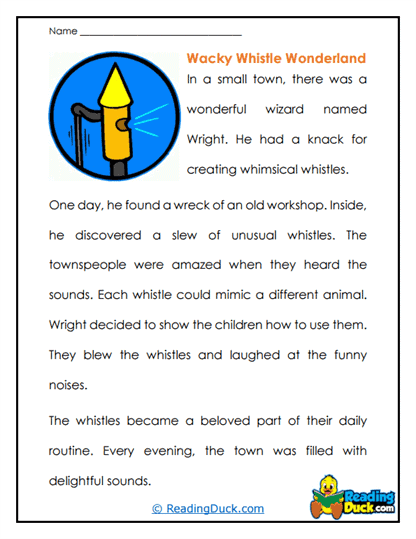
This magical passage transports readers to a world where soft whistles carry spells or light signals, with silent-W words like wrath or wrong appearing in descriptions. Comprehension questions delve into magical elements, characters' reactions, and vocabulary meaning. Enchanting visuals complement the whimsical tone. Students are subtly guided to identify silent-W spellings in this fanciful context. The blend of wonder, context, and phonics makes for an engaging reading experience.
Winter Walk
A cozy winter walk tale includes silent-W words such as wrister (slang for wrist or perhaps writ), and wrote (a note in the snow). The narrative invites students to observe setting details and character actions. Questions combine focus on descriptive complexity with silent-W awareness. Wintry illustrations enhance immersion. Students practice seeing how silent-W words appear naturally in everyday scenes. This supports reading comprehension and phonics recognition in a calm, relatable context.
An Example Silent W Reading Passage
One crisp morning, Mia decided to write a secret note and wrap it around a smooth pebble before she dropped it in the river. The water was calm, reflecting early sunbeams, and she watched the river writhe gently around rocks. She knew the pebble would travel far where someone could find it and wrestle with the surprise of her message. As she walked away, she felt the soft brush of winter air and thought of the silent letters carrying her words forward. The journey of the note felt magical, even as the path remained mysterious and hidden.
Where Is The Silent W Pattern?
You can spot the silent W in words like "write", "wrapping" (wrap), and "wrestle", where the "W" appears but isn't pronounced. Also, "writhe" includes a silent W, reinforcing the pattern within this reflective, descriptive context.
Make sure to bookmark our website now.
Enjoy all our free reading worksheets.
Our materials adhere to the principles of the Science of Reading.