About Our -ed Suffix Reading Comprehension Worksheets
The ‑ed suffix is essential for forming past tense verbs and past participles, as seen in words like walked, painted, and celebrated. Recognizing this suffix helps students understand verb tense, narrative structure, and how actions have already happened. Mastering the -ed ending deepens both grammatical understanding and reading fluency by providing context through word endings.
This worksheet collection presents engaging passages that naturally integrate a variety of -ed verbs, supported by vibrant illustrations and designed for easy PDF access. Each worksheet includes a reading passage, multiple-choice comprehension questions, and a downloadable answer key-ideal for both classroom and home settings.
By embedding -ed verbs into compelling stories, these worksheets simultaneously support morphological awareness-noticing how suffixes change words-and reading comprehension, giving students fluency practice with embedded grammar cues.
Looking At Each Worksheet
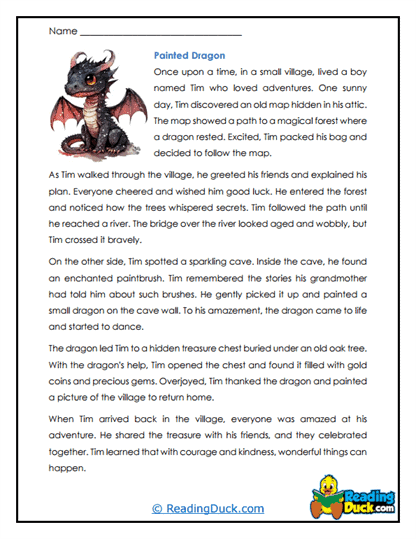
Dragon Quest
In this dramatic adventure, a hero faced fearsome dragons, rescued villagers, and returned home triumphant. The -ed verbs highlight actions that shape the plot. Comprehension centers on sequence and inference, asking readers to retell the order of events. Students underline each -ed verb, identify the base form (e.g., face → faced), and restate actions in context. This exercise enhances chronological comprehension alongside suffix awareness.
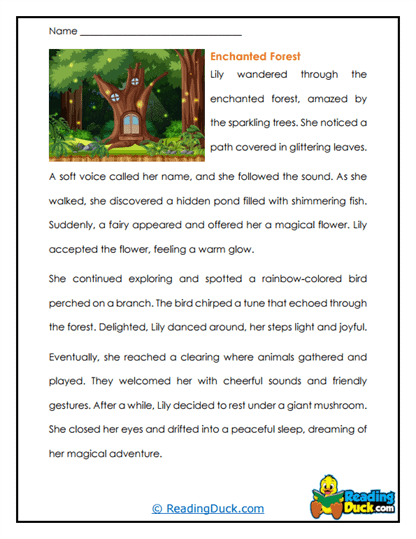
Fairy Forest
Fairies fluttered among glowing flowers, collected dewdrops, and enchanted wandering travelers with their magic. The -ed words bring out movement, collection, and transformation. Comprehension focuses on setting and imagery, prompting students to describe the forest's atmosphere. Learners spot -ed verbs and link them to visual details. This supports morphological awareness and sensory-rich reading.
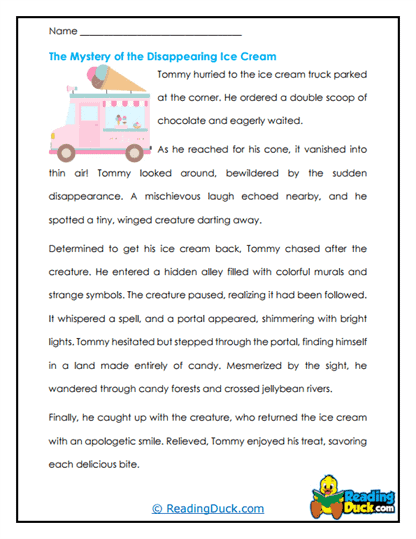
Ice Cream Mystery
Young detectives visited the kitchen, followed a trail of melted drips, and identified who ate the missing sundae. The -ed verbs encode investigative steps and conclusions. Comprehension emphasizes problem/solution, guiding students to outline how the mystery unfolded. They underline -ed words and connect each verb to story actions. This builds suffix understanding alongside logical reasoning.
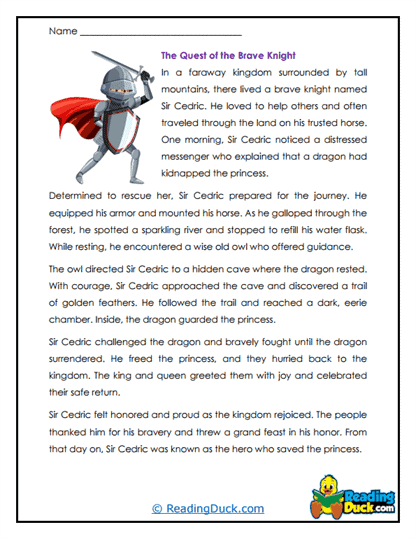
Knight's Rescue
A brave knight mounted a sturdy steed, crossed perilous bridges, and saved the captured princess. The -ed words drive the heroic deeds. Comprehension targets main idea and character action, asking students to explain the knight's motivations. Students note -ed verbs, reflect on their roots, and summarize the narrative arc. This reinforces grammatical spotting with character comprehension.
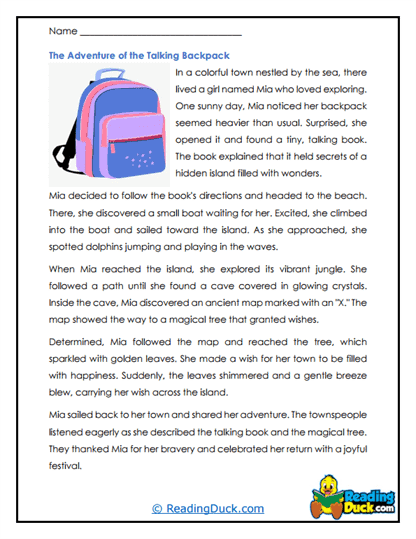
Magic Backpack
A magic backpack revealed helpful tools, activated glowing compartments, and transported the hero to places unknown. The -ed words outline magical transformations. Comprehension centers on cause and effect, prompting students to explain how each magic item changed the journey. Readers underline -ed verbs and illustrate their impact on the plot. This merges suffix recognition with causal comprehension.
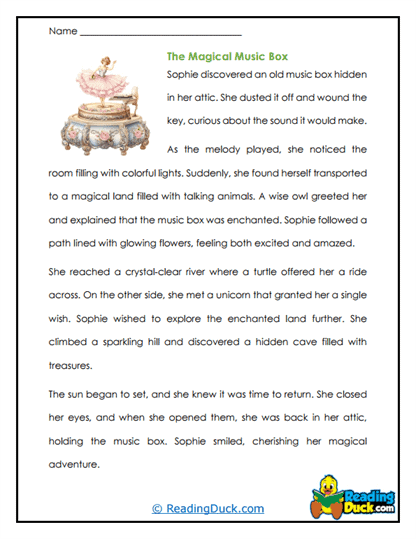
Musical Enchantment
In this melodious tale, musicians played enchanted instruments, danced under starlight, and lifted listeners from their worries. The -ed verbs capture connection and emotional transformation. Comprehension emphasizes tone and mood, encouraging students to describe how the music shapes emotion. Learners highlight -ed verbs and connect sensations to word choices. This supports suffix-based meaning-making and affective comprehension.
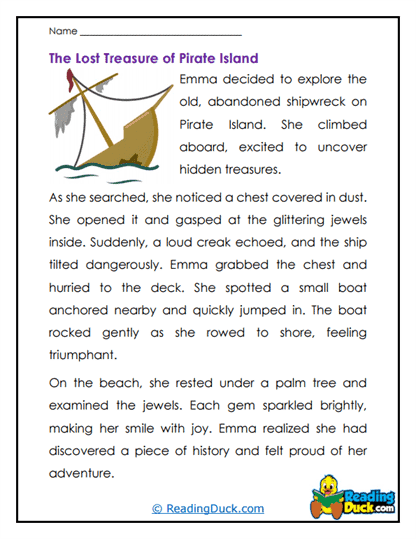
Pirate Treasure
Pirates sailed across stormy seas, found a hidden island, and buried treasure beneath ancient palm trees. The -ed words chart the treasure hunt's journey. Comprehension targets sequence and location, asking readers to map each stage of the search. Students underline -ed verbs and align them to plot milestones. This builds narrative tracking and morphological decoding.
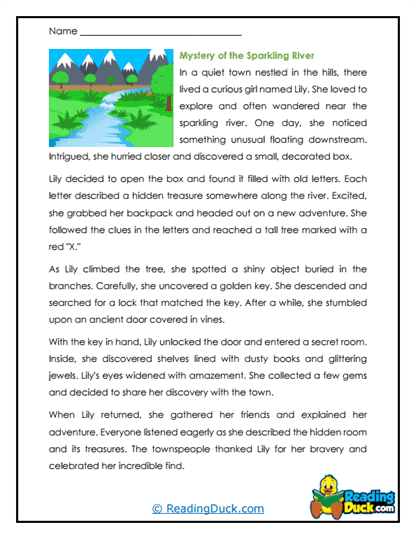
River Mystery
Investigators crossed rippling rivers, spotted clues washed ashore, and solved the village's long-lost legend. The -ed verbs shape discovery and resolution. Comprehension emphasizes problem/solution and setting, prompting students to explain how clues led to closure. Readers mark -ed verbs and pair them with logical narrative steps. This ties grammar with inference and location.
Space Journey
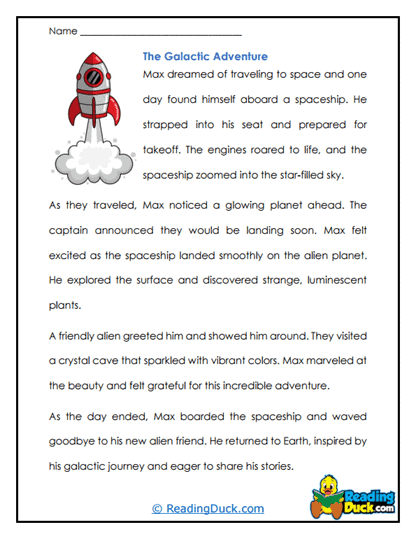
Astronauts landed on a distant planet, collected strange minerals, and communicated with alien life forms. The -ed verbs signal exploration and connection. Comprehension centers on sequence and setting, asking students to recount the mission's phases. Students spot -ed verbs and clarify their role in building the scene. This merges morphological awareness with spatial comprehension.
Tunnel Treasure
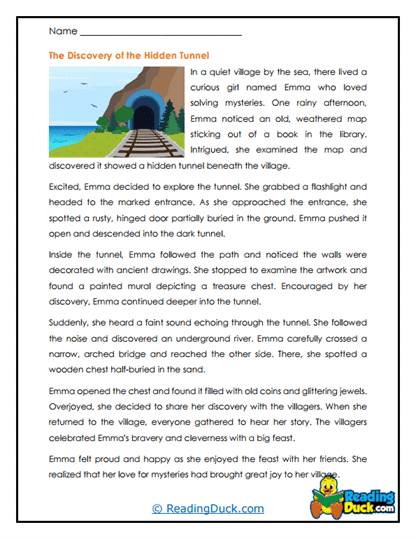
Adventurers dug through tunnels, found glowing gems, and escaped before the cave collapsed. The -ed words drive tension and relief. Comprehension highlights cause/effect and pacing, asking readers to explain how urgency unfolds. Students underline -ed verbs and tie each one to suspense-building moments. This blends suffix recognition with dramatic reading flow.
An Example -ed Reading Passage
The fearless explorers climbed the ancient tower, opened a dusty chest, and discovered long-lost secrets hidden for centuries.
Where Is The -ed Pattern?
Look for words ending in -ed and connect them to the base verb to confirm meaning-for example, climbed from climb (action completed), and discovered from discover (action that reveals). These words show how the suffix signals past action and supports understanding of sequence in narrative.
Make sure to bookmark our website now.
Enjoy all our free reading worksheets.
Our materials adhere to the principles of the Science of Reading.