About Our Hispanic Heritage Month Reading Worksheets
Hispanic Heritage Month is like a vibrant festival in your classroom, inviting students to step into stories rich with culture, color, and celebration. Picture lively parades, mariachi music echoing in hallways, and bright papel picado fluttering above-it's a time when heritage meets hands-on learning and makes history feel alive. As they read, the worksheets will transport students to important moments and figures, painting a tapestry of Hispanic and Latino contributions with every paragraph.
These materials are filled with knowledgeable narratives and thoughtful questions, encouraging young readers to reflect and engage. They don't just present facts; they spark curiosity-inviting students to wonder, "Who was this artist or leader?" or "What tradition connects us across continents?" Through reading and responding, learners build comprehension and cultural empathy in a way that's meaningful, memorable, and downright fun.
A Look At Each Worksheet
Artist's Dream
This worksheet invites students into the colorful world of an artist's creative journey, highlighting cultural symbols and vibrant landscapes. It merges storytelling with visual inspiration and challenges students to imagine the dreaming artist at work. The reading encourages reflection on how art expresses identity and community. Did you know that many Hispanic artists drew on both folk traditions and modern styles to tell their stories?
Cooking Fiesta
Here, the aroma of traditional dishes fills your imagination as students read about family recipes passed down through generations. The text weaves stories of gatherings, flavors, and the joy of sharing food. Students practice comprehension while savoring the cultural value of cooking as a communal act. Fun question: Which dish would you bring to your own cultural celebration?
Dance Crew Dream
This one choreographs words into movement, describing the energy of dance crews and the beats that bring communities together. It captures rhythm, teamwork, and the joy of expressive movement rooted in cultural heritage. Students reflect on collaboration and the meaning of dance beyond performance. And hey-did you know that many Latin dance forms have roots that blend Indigenous, African, and European traditions?
Forest Adventure
Students wander into a story where nature and heritage intertwine-forest animals, ancestral tales, and vivid landscapes come alive. The reading connects land, storytelling, and cultural identity in a woodland journey. Comprehension questions guide readers to think deeply about tradition and environment. Here's a spark for wonder: what animal from your heritage would you choose to guide you?
Heritage's Fight
This dramatic passage centers on the brave struggles of individuals defending cultural rights or expressing identity in the face of challenge. It draws on history, resilience, and determination rooted in heritage. Students analyze themes of courage, justice, and belonging through thought-provoking questions. A curious thought: Can you think of someone today continuing that brave fight?
Heritage's Journey
This narrative guides students along a multi-generational trek-through migration, transformation, and cultural preservation. It's a story of roots, movement, and the enduring relevance of traditions. Learners connect reading comprehension to ideas of identity, community, and change. Question to ponder: What traditions in your family have made a long journey with you?
Hispanic Heroes
Here, students meet inspirational individuals-scientists, artists, leaders-contributing to their fields and communities. The text highlights personal stories that celebrate perseverance, creativity, and vision. Students match names to achievements, explore cause and effect, and feel motivated. Did you know that the first Hispanic woman in space, Ellen Ochoa, flew aboard the Space Shuttle Discovery?
Justice Call
This powerful passage echoes with voices demanding fairness, equality, and recognition for all. It blends history with present-day efforts and brings civic awareness to the classroom. Readers engage with ideas of activism, rights, and cultural dignity. Inspire curiosity: What causes are you inspired to stand up for?
Language Mix-Up
Here, the playful collision of languages invites students into the melodic world of Spanglish, idioms, and wordplay. The story highlights how language evolves and bridges communities. Students enjoy mixing languages while building vocabulary and comprehension. Fun fact: Spanglish isn't just slang-it's a vibrant example of bilingual creativity!
Piñata's Journey
This festive tale chronicles the colorful life of a piñata-from crafting to celebration. It captures the sparkle, excitement, and anticipation of breaking tradition with joy. Students answer questions that explore symbolism, tradition, and cultural pride. Who wouldn't want to decorate their own piñata full of surprises?
Quantum Discovery
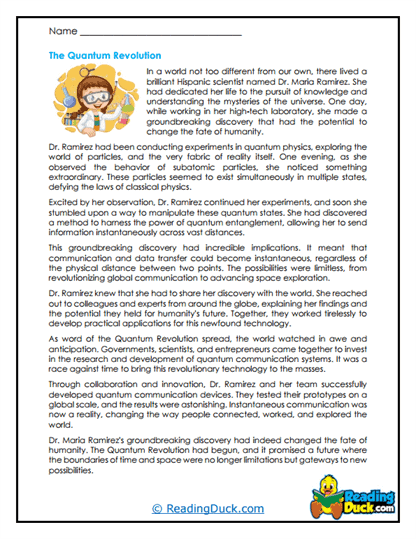
A surprising twist-this worksheet blends cultural history with a dash of science, perhaps featuring a Hispanic scientist making discoveries at the subatomic level. It shows that curiosity and culture can collide in the lab. Students connect heritage with innovation, blending comprehension with wonder. Did you know that many Hispanic scientists have pioneered breakthroughs in physics, chemistry, and beyond?
Seaside Love
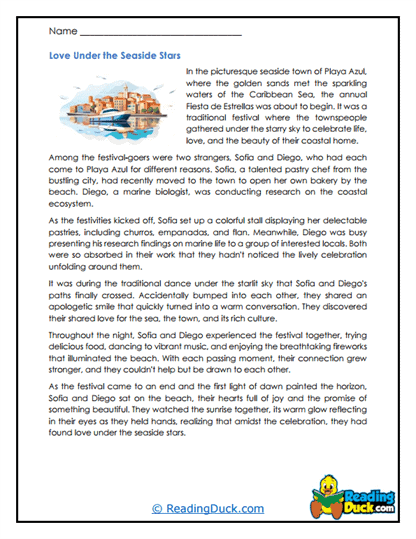
Waves, heritage, and heartfelt connections merge in this poetic reading about coastal traditions-maybe fishing, folklore, or seaside festivals. It blends nature, emotion, and cultural memory in a lyrical exploration. Students reflect on sensory detail and emotional resonance. Imagine the sound of ocean waves carrying ancestral stories-it's almost magical.
Serpent's Curse
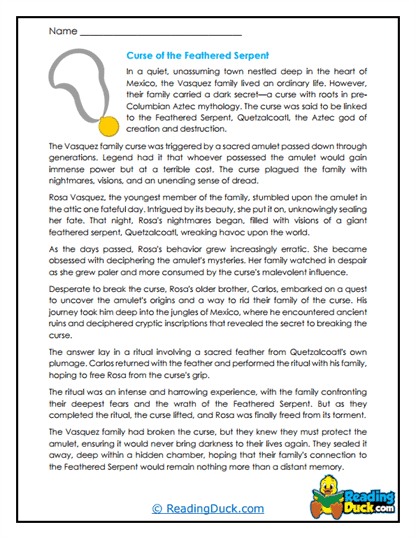
This narrative delves into myth, legend, and cultural symbolism-perhaps focusing on a serpent that carries both danger and wisdom in folklore. It introduces readers to mythic storytelling and cultural morality. Students engage with themes of consequence, tradition, and narrative structure. Myth fun: Serpents often symbolize transformation-what changes might you uncover in such a tale?
Tradition's Heartbeat
A rhythmic ode to the living pulse of culture-traditions interwoven with music, dance, stories, and community gatherings. This reading captures how customs keep heritage alive and shared. Students consider continuity, belonging, and the heartbeat of shared identity. Did you know some traditions begin as quiet rituals and evolve into major cultural celebrations over time?
Treasure Quest
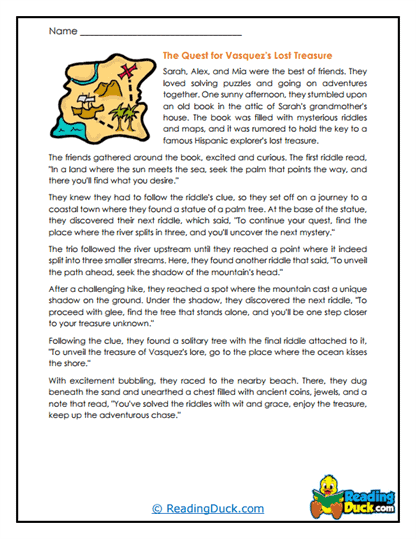
This adventure invites young readers to hunt for hidden cultural treasures-whether heirlooms, stories, or artifacts passed through generations. It's an exciting blend of mystery, history, and discovery. Comprehension prompts encourage inference, description, and reflection on cultural value. What treasure from your family's history would you share with a class?
A Deep Look At Hispanic Heritage Month
September 15 through October 15 marks the vibrant span of Hispanic Heritage Month, celebrated annually in the U.S. It begins mid-September to mirror the independence anniversaries of several Latin American countries (e.g. Costa Rica, El Salvador, Guatemala, Honduras, and Nicaragua on September 15; Mexico on the 16th; Chile on the 18th) and runs for a full month so that students have ample time to explore its themes in depth.
This celebration originated as Hispanic Heritage Week in 1968 under President Lyndon B. Johnson and was expanded into a full month in 1988 by President Ronald Reagan. It's observed nationwide through cultural performances, readings, and community gatherings, honoring the rich tapestry of Hispanic and Latino heritage across generations.
During the month, people participate in art exhibits, musical performances, storytelling sessions, and classroom projects. Events often highlight bilingual stories, traditional foods, dance demonstrations, and interactive history lessons-bridging the gap between past and present with creativity and connection.
Festive traditions frequently include live music and dance (like mariachis or folklorico), family recipe potlucks, para-liturgical storytelling, and colorful decorations such as papel picado and piñatas. Communities host parades and cultural fairs, while classrooms become spaces of discovery and pride-where learning about heritage feels like joining a party that celebrates identity, unity, and remembrance.
Make sure to bookmark our website now.
Enjoy all our free reading worksheets.
Our materials adhere to the principles of the Science of Reading.