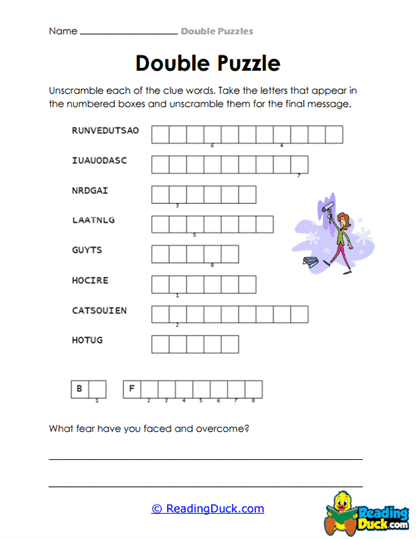
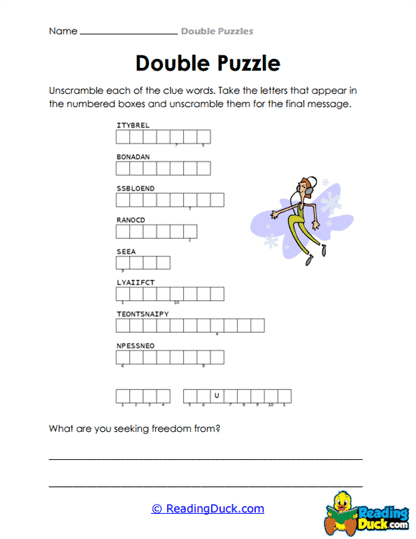
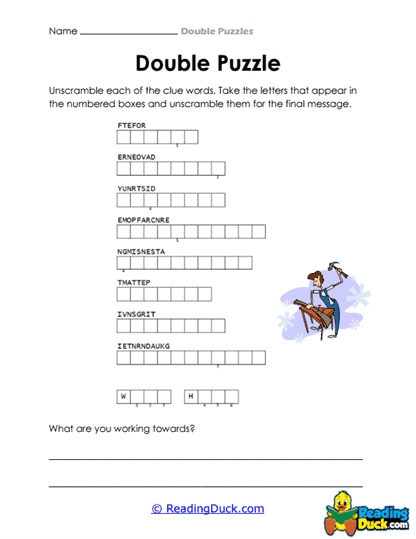
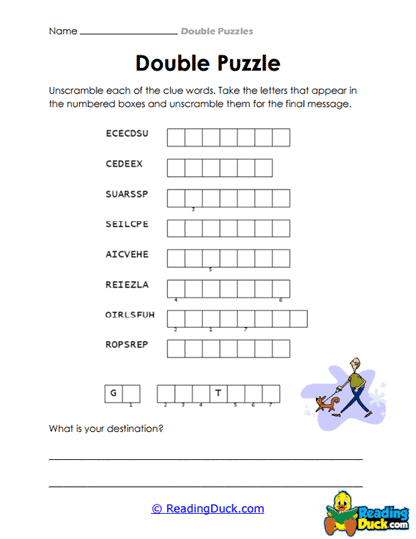
Double puzzles are like two mini-adventures packed into one worksheet! First, students unscramble words-turning jumbled letters into familiar vocabulary. Once those words are solved, they use what they've found to tackle a second puzzle-like completing a riddle, finishing a phrase, or unlocking a secret message. It's like cracking a code and then using that code to solve an even bigger mystery!
Tackling double puzzles helps strengthen both language and thinking skills. Students sharpen their word recognition and spelling by sorting through scrambled letters, then stretch their comprehension as they use those words to make sense of the second puzzle. This two-step process builds confidence-when kids see how words connect to ideas, they start spotting patterns in reading, writing, and everyday conversations.
Our collection of Double Puzzles Worksheets guides learners through this playful process step by step. Each PDF worksheet features two related puzzles that increase in challenge over time, includes a clear answer key for quick review, and comes in themes that spark curiosity-from "Facing Fears" to "Mindfulness Moment." Whether used in class, at home, or for independent study, these puzzles make vocabulary practice feel like a rewarding discovery mission.
Looking At Each Worksheet
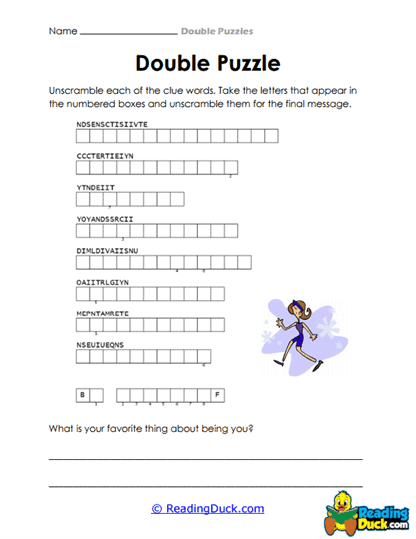
Be Yourself
This puzzle invites students to uncover jumbled words tied to being unique and confident-think "special" or "brave." Once unscrambled, they use those words to reveal a hidden affirmation about self-worth. It's like looking in a mirror that speaks positivity! Great for boosting self-esteem in class or at home. Bonus: encourage kids to write their own "Be Yourself" message in code for a friend to solve.
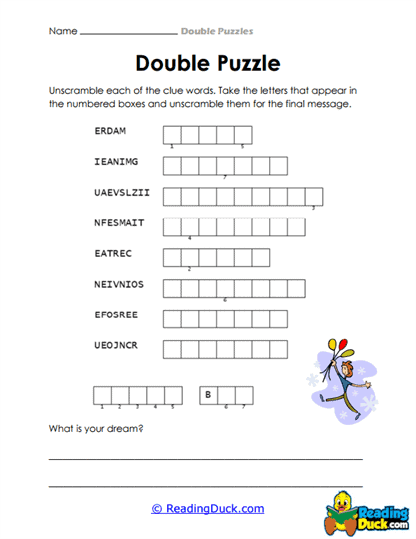
Dream Big / Dream Builders
Students start by unscrambling words like "goal," "future," or "create," then use them to complete a message about dreaming big-perhaps "Dreamers build tomorrow." It's like building castles in the air out of letters-and then bringing them to life! Perfect for vision board activities or goal-setting sessions. Bonus: students can draw their dream and label it with a VIP word from the puzzle.
Facing Fears / Freedom Quest
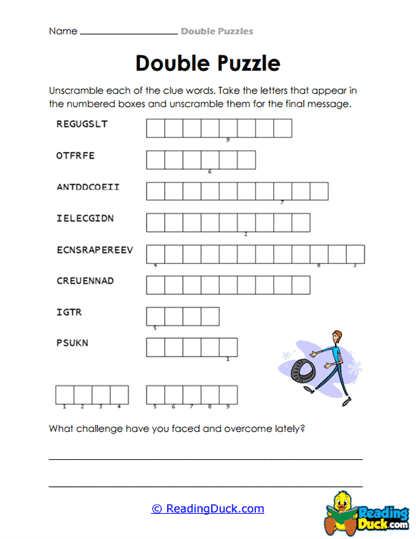
First, students scramble through words related to courage-like "brave" or "overcome"-then use them to unveil a message about conquering fears. It's like turning fear into a friendly word game! Great for SEL lessons or any moment needing a sprinkle of bravery. Bonus: students can stage a "Fear vs Fearless" word duel, using their puzzle words in role-play.
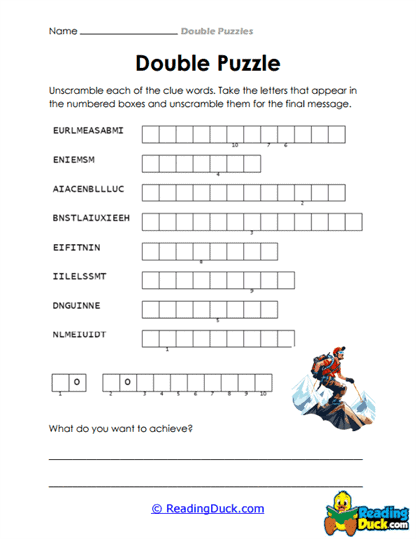
Goals Ahead
Unscramble goal-theme words like "plan," "reach," or "grow," then use them to unlock an inspiring phrase about moving forward. It's like plotting your future, one letter at a time! Ideal for new-term or new-year goal planning. Bonus: have students pick one goal word and draw a path to it on a mini roadmap poster.
Journey's End
Begin with scrambled travel or adventure-related words-like "path," "map," or "arrive"-then form a message about reaching destinations. It's like reading the end of a story before the beginning! Use when wrapping up big projects or field trips. Bonus: students can rewrite their own "Journey's End" message as a postcard.
Life's Challenges / Life's Challenges Pt. 2
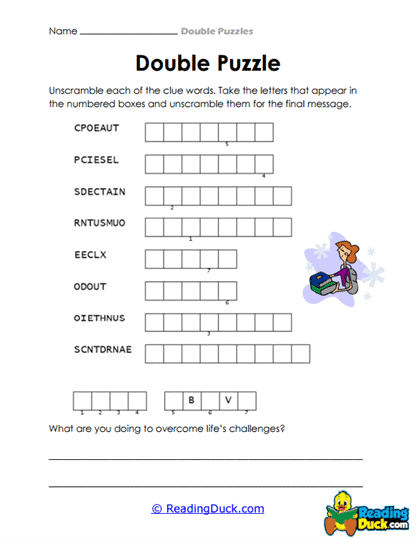
Students work through two linked puzzles: the first scrambles words like "persist," "learn," or "grow"; the second uses them to finish a message about overcoming obstacles. It's like leveling up through language! Ideal for reflection sessions. Bonus: ask students to rate their own challenge level and share tips using one of the vocabulary words.
Mindfulness Moment
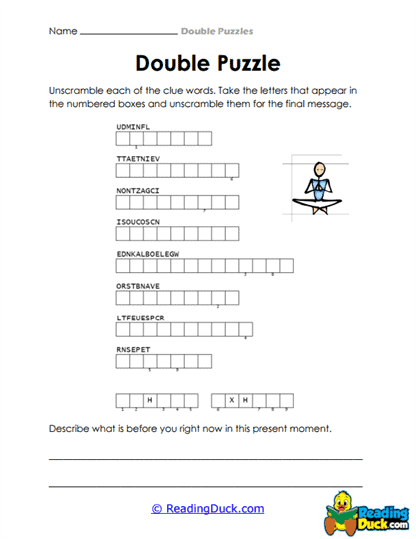
Unscramble calming words like "breathe," "focus," or "pause," then decode a peaceful message about being present. It's like taking a word-based deep breath! Great for quiet time or morning mindfulness warm-ups. Bonus: kids can use the decoded word as a daily mantra.
Secret Message
Uncover scrambled words, then piece together a mysterious or uplifting statement-maybe "Kindness counts." It's like receiving a whisper from a secret friend! Perfect for surprise classroom notes or positive affirmations. Bonus: students can create their own secret message puzzle to share.
Steps to Success
Unscramble effort-related words like "try," "learn," or "practice," then assemble a message about how small steps lead to big wins. It's like turning tiny footsteps into triumphs! Great for study skills lessons. Bonus: challenge the class to add a step of their own to the message.
Stress Buster
Crack words like "calm," "rest," or "laugh," then piece together an antidote to stress. It's like a mini spa session, but with pencils! Ideal for test prep breaks or hectic days. Bonus: students can create a "Stress-Buster" checklist using puzzle words.
Today's Actions
Solve scrambled action words-like "help," "learn," or "share"-then reveal a motivating prompt like "Make today count." It's like a to-do list with a cheerleader in each letter! Perfect for daily planners or morning check-ins. Bonus: students can pledge to use one of the puzzle words in a real-life action that day.
What Holds You?
First, unscramble inner words like "hope," "dream," or "brave," then complete a phrase about what defines them-maybe "Hope holds me." It's like discovering your inner superhero through wordplay! Great for self-awareness lessons. Bonus: have students write down what holds them and turn it into a mini-code puzzle.
What Are Double Puzzles?
Double puzzles are a clever two-in-one challenge: learners first unscramble jumbled words, then use what they've decoded to unlock a second puzzle-this might be a riddle, hidden phrase, or meaningful message. It's like solving a mini-puzzle to fuel a bigger one. These puzzles encourage students to think flexibly, notice patterns in language, and understand how words build meaning in context. Because they require both vocabulary recall and critical thinking, double puzzles help students become sharper spellers, stronger readers, and more thoughtful communicators.
In everyday life, this kind of puzzle training helps students approach tricky words and unfamiliar contexts-like new menu items or directions-with confidence. When they encounter scrambled code in escape rooms, games, or even digital platforms, they're better equipped to decode and understand. Plus, the step-by-step reward of solving words and seeing them unlock ideas promotes patience, persistence, and the joy of discovery-key traits for lifelong learners.
Make sure to bookmark our website now.
Enjoy all our free reading worksheets.
Our materials adhere to the principles of the Science of Reading.