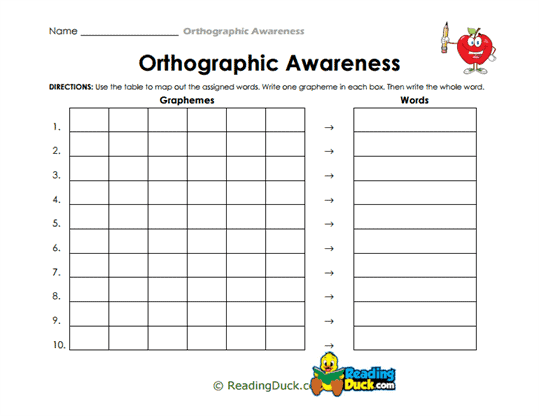
Orthographic awareness is about learning to see the spelling patterns and visual structure of words-not just hearing their sounds. It's what bridges the gap between phonics and fluent reading by teaching kids to recognize how letters fit together as a cohesive whole. When kids develop this awareness, they stop reading letter by letter and start reading words by sight, boosting both speed and confidence.
Mastering orthographic awareness helps learners tackle tricky spellings, decode irregular words like though or island, and understand how affixes like -tion or un- change word meaning. That kind of knowledge gives them a powerful tool for reading and writing, turning unfamiliar words into recognizable friends. These worksheets offer a scaffolded, joyful journey from spotting patterns to spelling mastery-this is more than worksheets, this is visual spelling superpowers in action!
Each activity-from letter grids to "sound puzzles"-feels like a language game, so children remain curious, engaged, and ready to learn. Whether you're teaching in class, guiding at home, or helping in a reading intervention, these worksheets bring spelling patterns to life with creativity and purpose.
Looking At Each Worksheet
A Step of Sound
This worksheet leads learners through spelling steps-each one builds on the last, like climbing stepping stones in a word. It helps kids see how words evolve with each added letter or sound. Imagine stepping from "cat" to "chat" like stepping on magical sound tiles! Perfect for guided phonics lessons or literacy centers. Bonus idea: turn it into a sound "hopscotch," where every step changes the word.
Check & Spell
Kids practice spelling words visually, then "check" their answers-like being word detectives with highlighter pens. They learn to notice correct letter patterns and spelling rules. It's like grading your own treasure map for letter gold! Great for independent work or proofreading practice at home. Bonus twist: challenge learners to find one extra spelling surprise word in each set.
Circle & Write
This activity invites children to circle the correct letters or patterns, then write the whole word out-two actions in one! It reinforces correct spellings through seeing and doing. Think of circling as giving words a hug, then writing them to show your love! Fantastic for visual or kinesthetic learners using whiteboards or clipboards. Bonus: use different colored crayons for each round to make it artfully fun.
Dot & Spell
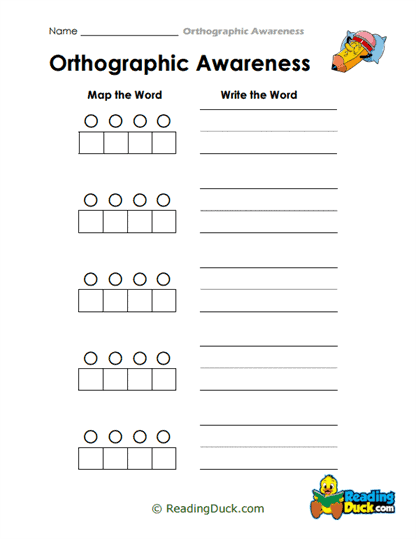
Kids place dots under each letter as they spell out words, mapping each letter visually. It's a tactile way to confirm that each spelling piece fits perfectly in place. Imagine stepping on letter lily pads-one dot for every step! Super for multisensory learners or emergent spellers. Bonus idea: use dot stickers instead of pencil dots for sticker-loving kiddos.
Grapheme Grab
This one turns learning graphemes (letter patterns) into a grab-and-match game-catch the right pattern for the sound. It's like fishing for letter combos in a pond of possibilities! Brilliant for small-group centers where kids compete to grab correct patterns. Bonus: kids can make their own grapheme cards and host a "grapheme swap."
Grapheme Grid
A letter grid where learners hunt for target graphemes-like a word-search, but for spelling patterns. They locate, spot, and connect graphemes in a fun format. It's crossword meets pattern scavenger hunt! Ideal for quiet focus time or early finishers. Bonus: time the search and challenge kids to beat their own best time.
Map Brick Words
This worksheet asks learners to deconstruct words visually-brick by brick-identifying meaningful spelling chunks. It feels like building a Lego model of the word! It supports syllable awareness and morphology understanding. Great for teaching prefixes, suffixes, and root words. Bonus: let kids "build" the words with real bricks for hands-on mapping.
Multisensory Spelling
In this activity, kids spell words using multiple senses-writing, tracing, saying aloud-to reinforce memory. It turns spelling into a full-body experience: seeing, hearing, and doing. Like spelling with your whole superhero self! Perfect for diverse learners; also fun for home use with salt trays, shaving cream, or sand. Bonus: record the spell-aloud in funny voices to make it playful.
Phonics Checker
Learners review words to ensure phonics rules apply-like checking if silent letters are in the right place, or if vowel teams are correct. It's a quality-control step for spelling awareness. Imagine being a word inspector, making sure every letter is in its spot! Great for editing practice or phonics review. Bonus: award "badge names" like "Silent-E Sleuth" or "Vowel Team Vet."
Phonics Planner
This worksheet helps students plan the spelling of challenging words step-by-step before writing them-like creating a blueprint for a word. It teaches foresight and structure in spelling. Think of it like mapping a treasure trail before setting off! Fabulous for early writers or spelling-test prep. Bonus: invite kids to draw a "word treasure map" with their plan.
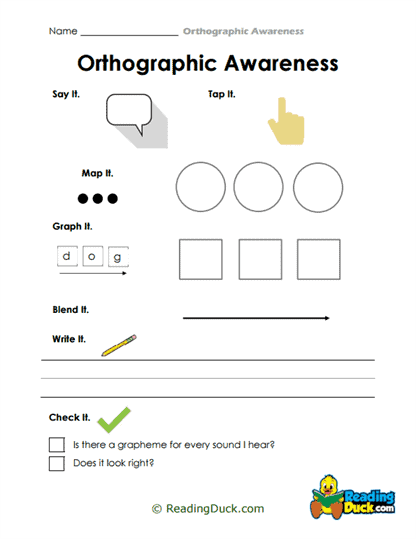
Say & Map
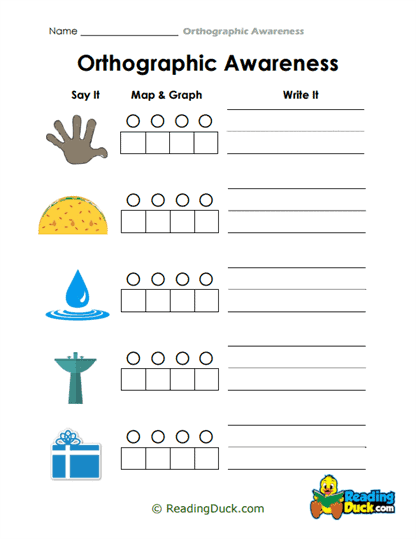
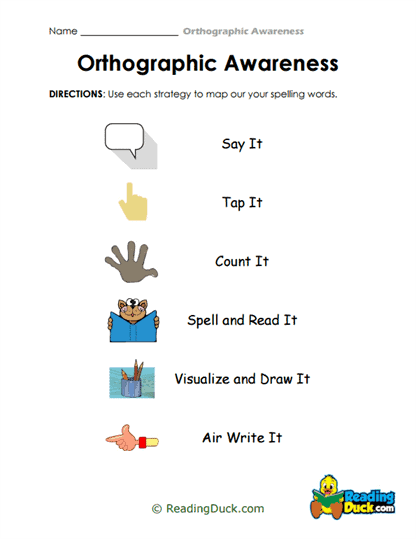
Children first say a word, then map its spelling-connecting sound to writing visually. It's like drawing the sound path from pronunciation to letters. A wonderful tool for bridging oral language and written code-great for reading-aloud sessions. Bonus twist: record saying the word then mapping it, like making a little before-and-after show.
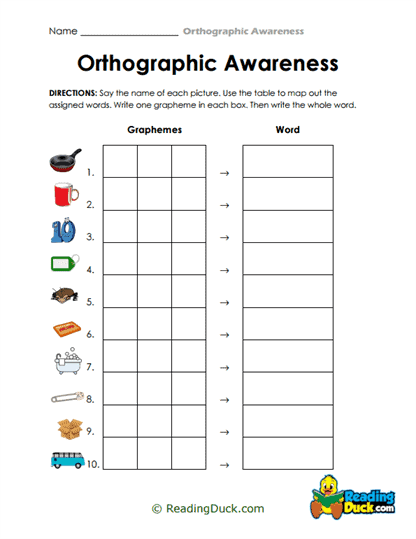
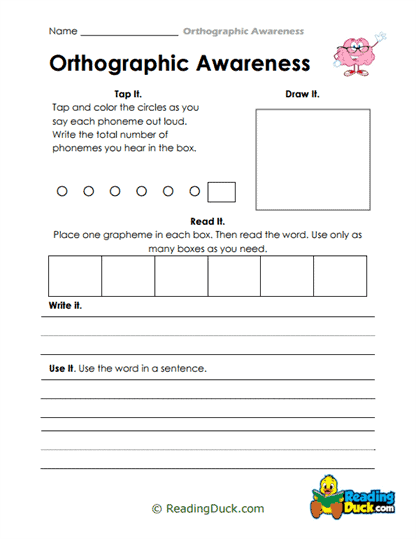
Sound Mapping
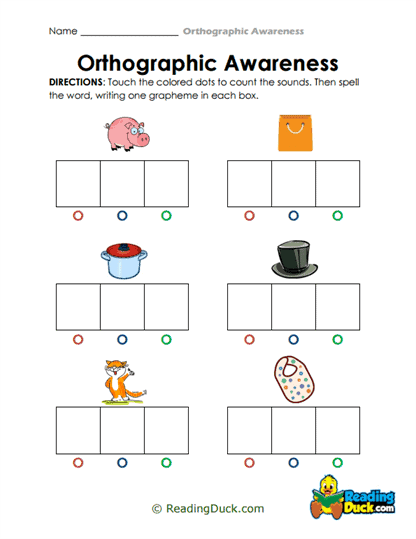
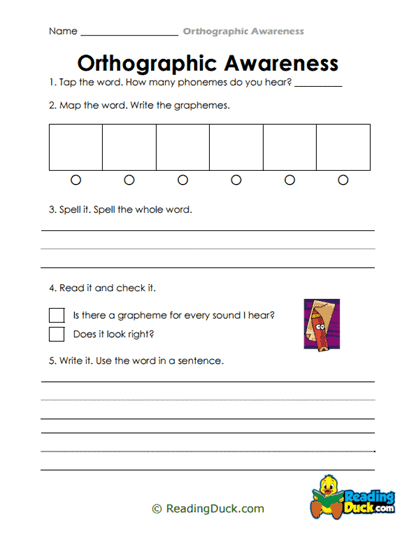
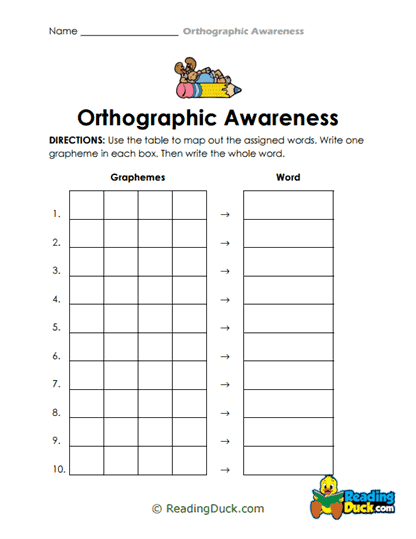
This splits words into sound-to-letter mapping-breaking them into phonemes and graphemes like decoding a secret code. It's the inner workings of spelling exposed-super brain puzzle! Ideal for phonics intervention groups or literacy labs. Bonus: let students invent their own "code words" and map them.
Sound Puzzle
Pieces come together to form words-puzzle-style-based on spelling patterns. It feels like doing a jigsaw, but with graphemes! Fun for cooperative learning or independent centers. Bonus: mix puzzle pieces across words to create silly mismatches for correction.
Spider Sounds
A playful activity where spelling patterns branch out like spider legs from a root word-web of word parts! Kids love picturing a friendly spider spinning spelling webs. Great for visual mapping and word families. Bonus: make spider-web art with floss and letter circles pasted on.
Word Builder
The ultimate creation station-students piece together letters, prefixes, and suffixes to build new words. It's like crafting word-Lego towers. Perfect for exploring morphology and expanding vocabulary. Bonus: invite students to invent "monster words" and define them.
What Is Orthographic Awareness?
Orthographic awareness is the ability to recognize and understand how written language is structured-beyond just hearing sounds. It involves noticing spelling patterns, prefixes, suffixes, root words, and irregular visual clues. It's like building a mental atlas of what words look like in English.
This skill shows up everywhere-from reading storybooks to writing daily (noting letter reversals, spelling exceptions, or "-tion" endings). Kids see that "station" and "action" share a visual chunk while knowing "knight" looks odd-but follows silent-kn rules. It connects the visual brain and phonics smoothly.
Developing orthographic awareness boosts reading fluency (word recognition becomes automatic), stronger spelling (words look right in memory), and writing accuracy (less time decoding allows more time for ideas). It's a bridge to reading confidence and lifelong spelling independence.
Make sure to bookmark our website now.
Enjoy all our free reading worksheets.
Our materials adhere to the principles of the Science of Reading.