Character Analysis worksheets guide students in delving deep into the traits, motivations, relationships, and development of characters in literature. They encourage readers to move beyond surface-level descriptions and recognize how actions, dialogue, and growth reveal deeper meaning. These skills sharpen comprehension, critical thinking, and narrative writing. Students learn not just who the character is, but why they act and change-and how those choices drive the story.
The collection features a flexible mix of printable PDF worksheets with helpful answer keys, perfect for classroom use, tutoring, or independent practice. Activities vary from comparing characters to tracing motivations or exploring internal and external traits. Each task scaffolds key thinking strategies-by highlighting text evidence, organizing character information, or inviting creative comparison. As students work through them, they build habits of reflection, textual justification, and structured analysis.
Looking At Each Worksheet
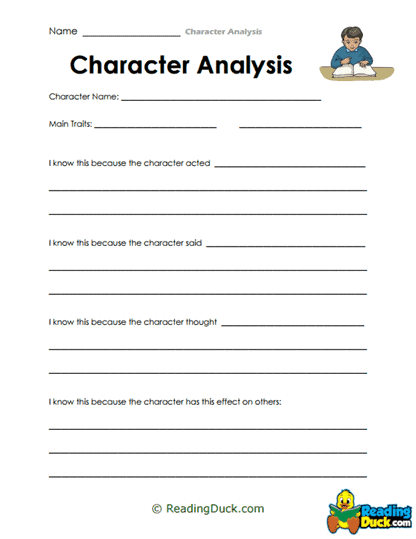
Actions & Words
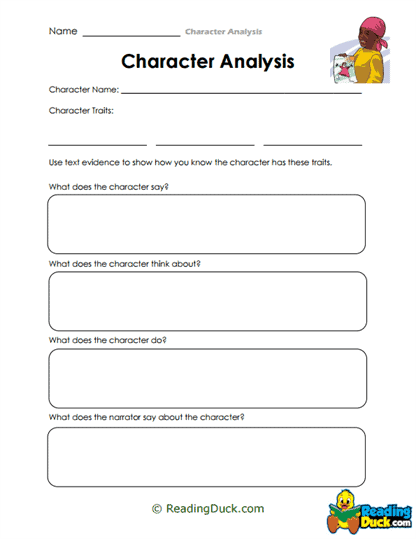
Students examine both what a character does and says, then infer traits based on those clues. This builds the foundational skill of reading between the lines-understanding character through behavior and dialogue. It's essential for interpretation and challenges students to cite evidence thoughtfully. Tip: Ask students to underline the most telling action or line that reveals a key trait.
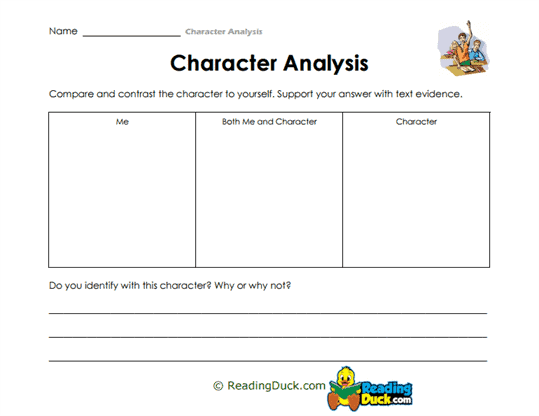
Character Compare
Learners choose two characters from a text and contrast their traits, motivations, or choices in a Venn diagram or two-column format. The comparison builds analytical thinking and helps students spot how different characters influence plot or theme. It's a great strategy for essay planning as well. Tip: Encourage filling in at least two similarities and two differences, supported by text references.
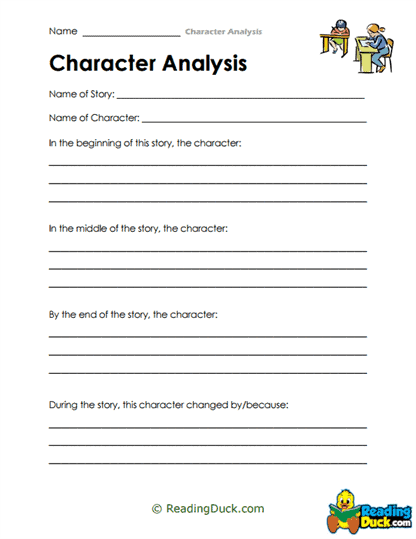
Character Journey
Students trace a character's arc-how they change from beginning to end, and what events trigger that shift. This supports understanding of development and the character's role in driving the narrative. The exercise sharpens cause-and-effect reasoning tied to character. Tip: Have students label each turning point with an example of what caused the change.
Character Snapshot
Learners compose a concise profile summarizing a character's core traits, motivations, and defining moments. This trains clarity and focus in describing character, helping students avoid excess detail. It's a great bootcamp for longer analytical paragraphs. Tip: Limit the snapshot to 50-75 words to encourage precision.
Character Wants
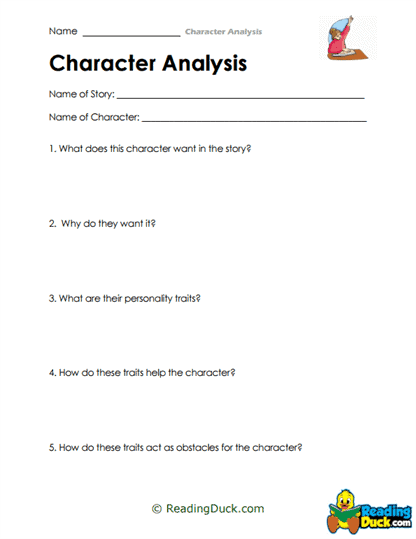
Students focus on what a character wants (goals or desires) and how those wants shape decisions and conflict. This reinforces motivation as a driver of plot and character choices. It also supports writing explanations in literary essays. Tip: Ask students to link each stated want to a key scene illustrating it.
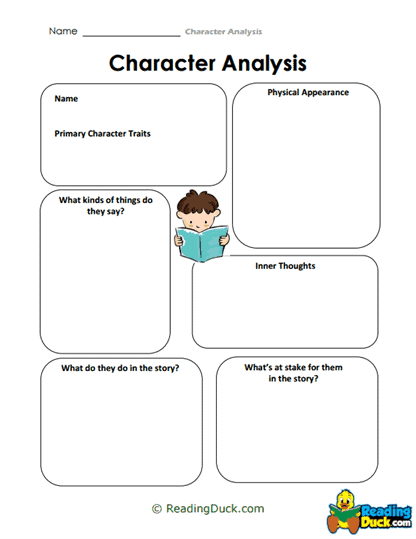
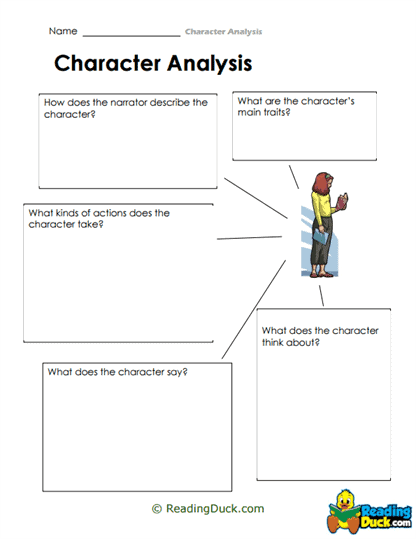
Character Web
Learners create a graphical organizer placing the character in the center, then mapping out traits, relationships, and changes around them. This visual tool builds holistic understanding and helps students see how different facets connect. It encourages comprehensive thinking over fractured notes. Tip: Use colors to differentiate internal traits (like "brave") from external actions (like "helped others").
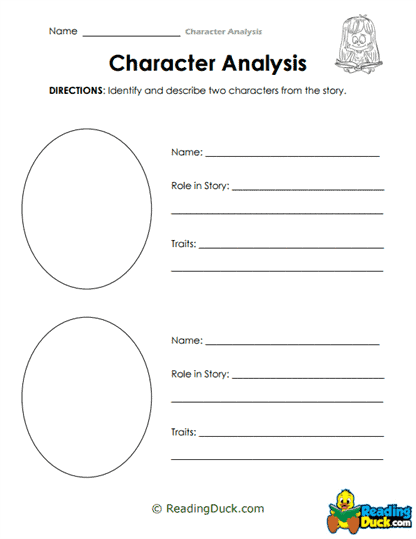
Double Feature
Students analyze two characters-either from the same text or paired texts-to contrast motivations, changes, or relationships. It encourages comparative analysis and deeper theme exploration. The strategy supports writing multi-character essays or discussions. Tip: Choose two characters with opposing goals for more dynamic insights.
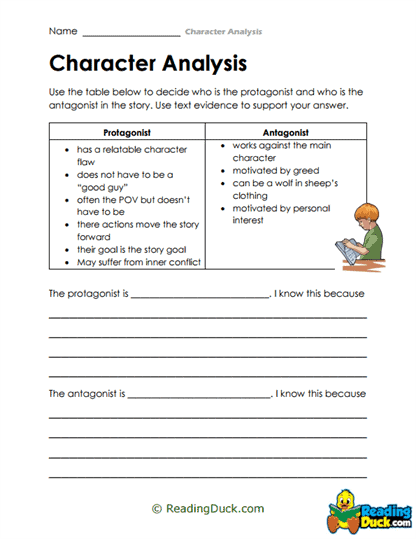
Hero vs. Villain
Learners compare a protagonist and antagonist-or moral opposites-to analyze how each impacts the story. This polarity highlights conflict, empathy, and narrative tension. It's a dramatic entry point into character dynamics. Tip: Ask students to write one sentence for each explaining how their traits push the story forward.
Inside Out
Students probe beneath a character's surface-essaying their internal feelings, worries, or rationales not outwardly stated. This builds empathy and interpretive depth. It also helps develop narrative voice and reflective writing. Tip: Frame it as "He thought... (but never said)."
Personality Profile
Learners craft a detailed character sketch, listing physical traits, personality, strengths, weaknesses, and key behaviors. A fuller profile supports descriptive writing and helps with writing tasks like fictional bios. Tip: Require at least one example from the text for each trait.
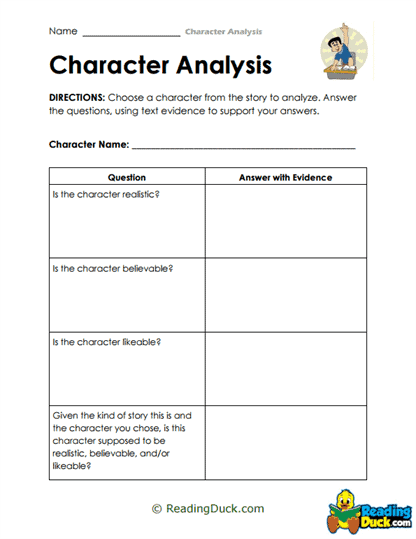
Real or Not?
Students evaluate whether a character is realistic (three-dimensional) using criteria like complexity, change, or credible motivation. This active judgment enhances analytical evaluation skills. It also practices literary critique. Tip: Have students rate realism on a scale (e.g., 1-5) and justify their rating with evidence.
Scene Spotlight
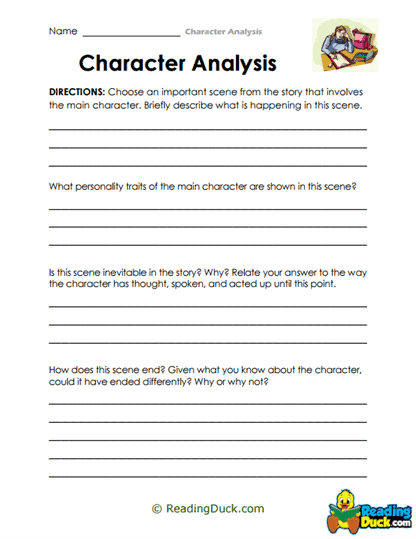
Learners focus deeply on a single scene to analyze how it reveals character-through dialogue, action, or reflection. This sharpens close reading and allows deep dive into textual evidence. It's great for supporting interpretation in strong essays. Tip: Encourage writing a quote from that scene and explaining how it reflects a character trait.
Trait Tester
Students are given a list of traits and must test each against the character using evidence from the text. This fosters precision in choosing only well-supported traits. It also builds habit of checking claims with proof. Tip: Label traits with "Yes," "Maybe," or "No," then explain your reasoning.
Trait Tracker
Learners track one trait across multiple scenes-looking for consistency or evolution. This builds sensitivity to incremental change or contradictions in character portrayal. It supports interpreting arcs and thematic shifts. Tip: Create a timeline with trait evidence at different story points.
Traits and Text
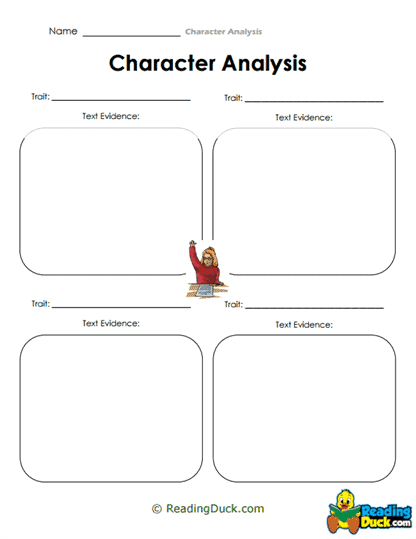
Students analyze how textual elements-like dialogue, thoughts, or actions-reveal a character trait. It connects Literary devices to interpretation. This helps students formalize how writers craft believable characters. Tip: Quote a line, then write which trait it supports and how.
What Is Character Analysis?
Character Analysis worksheets help students break down who a character is, how they behave, and why they matter to the story. Through activities that examine traits, comparisons, motivations, and change, these tools guide students to think critically about people on the page-not just what happens, but who makes it happen and how.
This skill matters because understanding characters is foundational to interpreting any narrative. It builds empathy, improves comprehension, and strengthens writing when students support interpretations with evidence. Across language arts and beyond-be it understanding historical figures or real-world personalities-these thinking habits are essential.
You'll recognize character analysis worksheets by prompts that ask students to describe traits, compare characters, trace change, or support claims with quotes. They often use organizers like webs, profiles, charts, or timelines to help structure thinking. The variety ensures students can interact with characters from multiple angles.
Common challenges include offering vague descriptions ("nice") or lacking evidence for claims. Addressing this involves framing tasks that require text-based proof and pushing for specific traits over general ones. Encouraging students to connect traits to motivations or changes deepens their analysis.
Mastering character analysis builds strong readers and thoughtful writers. Students who can explain a character's choices and growth engage more meaningfully with text and can clearly articulate their ideas in discussion or writing. These skills extend to other subjects and real-life situations-where understanding people's motives and changes matters most.
Example
Worksheet: Character Journey
A student charts how Cinderella moves from "hopeless" (at the beginning) to "hopeful and empowered" (at the end), linking those changes to key events-like the arrival of the invite and the final transformation. This makes the character's arc explicit and its emotional impact clear, modeling strong analysis.
Make sure to bookmark our website now.
Enjoy all our free reading worksheets.
Our materials adhere to the principles of the Science of Reading.