Writing prompts are like friendly sparks for the imagination-they give students a starting point so they're never staring at a blank page wondering what to write. A good prompt works like a key: it unlocks creativity, encourages reflection, and helps students organize thoughts into words. Prompts can be silly, serious, seasonal, or thought-provoking, but they always guide writers toward building confidence and clarity.
Our collection is carefully organized by grade level, holiday, and theme so you can find just the right fit. Kindergarteners may draw and label a picture, while high schoolers may dive into persuasive essays or creative storytelling. The variety keeps writing fun, while gradually building skill and stamina.
These worksheets are more than practice-they're stepping stones toward becoming confident, creative writers. Whether your student needs a joyful nudge or a serious challenge, there's a prompt here ready to light the way.
A Look At Each Writing Prompt Category
Kindergarten Prompts
These prompts invite beginners to combine drawing with early writing, often using sentence starters or picture clues. They encourage kids to practice letters, sounds, and very short words. With gentle guidance, children can create a blend of art and storytelling. Great for building fine motor skills and a love for self-expression. Perfect in centers or for morning warm-ups. They give students a playful way to dip their toes into the world of writing.
1st Grade
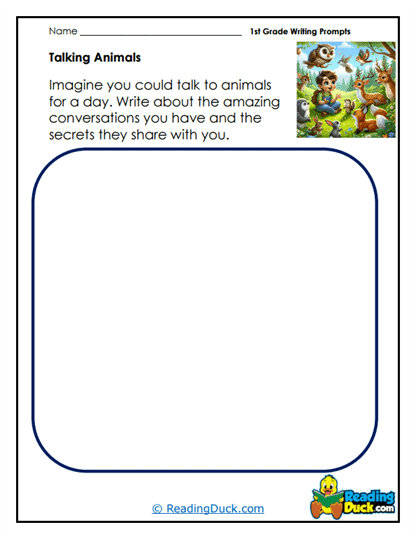
First-grade prompts expand on early literacy, helping students write complete, simple sentences. Prompts might ask about pets, favorite foods, or family adventures. These activities build confidence in connecting ideas to words on paper. They're ideal for journal writing or daily practice. Students strengthen sentence structure and begin to add descriptive words. Writing starts to feel like a fun conversation with the page.
2nd Grade
Prompts for second graders invite longer responses and more detail. Children practice expanding sentences into small paragraphs. Topics may include special memories, imaginative scenarios, or describing everyday experiences. These activities strengthen organization and creativity at the same time. Great for centers, homework, or class journals. They help young writers bridge the gap from sentence builders to paragraph creators.
3rd Grade
By third grade, students are ready to explore narrative and descriptive writing through prompts. Worksheets may ask them to invent adventures, explain processes, or describe favorite things. Each activity strengthens transitions and flow in writing. Prompts can be used for independent practice or group brainstorming. They also encourage critical thinking and clarity. Students start seeing writing as a tool for storytelling and explanation.
4th Grade
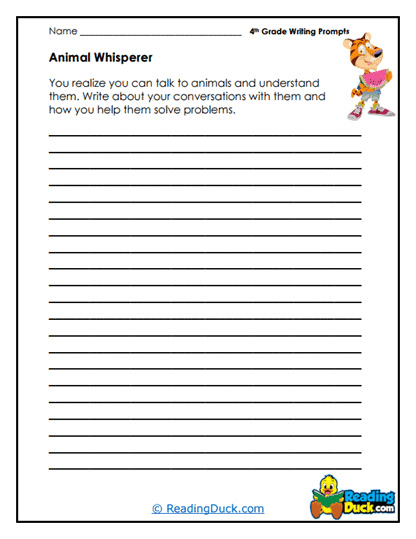
Fourth-grade prompts focus on expanding ideas into organized, multi-sentence paragraphs. They encourage creativity while practicing grammar and structure. Topics might include persuasive writing ("Convince your parents to...") or descriptive writing ("Describe your dream bedroom"). Students learn to balance creativity with clarity. These worksheets are perfect for prepping longer assignments. They help kids become thoughtful, organized communicators.
5th Grade
Fifth-grade prompts challenge students to support their ideas with reasons and examples. They often blend narrative, persuasive, and explanatory writing. Prompts might ask them to imagine a time machine or argue for a new school rule. Each activity pushes students toward deeper critical thinking. They strengthen logical connections and richer vocabulary. These are great stepping stones toward middle school writing expectations.
6th Grade
At this stage, prompts guide students toward multi-paragraph writing. Themes may include self-reflection, friendship, or light social issues. Worksheets encourage planning, drafting, and revising ideas. They also emphasize tone and audience awareness. Students learn to balance creativity with purpose. Prompts support the transition into analytical and essay-style writing.
7th Grade
Seventh-grade prompts ask students to analyze ideas and express opinions with depth. Topics may include ethical dilemmas, imaginative scenarios, or persuasive challenges. Each activity encourages stronger evidence and reasoning. They also push students toward clearer thesis statements. Perfect for classroom essays or journal writing. These worksheets strengthen both academic and creative expression.
8th Grade
Eighth-grade prompts prepare students for high school writing expectations. They may cover persuasive essays, literary reflections, or debates on current issues. Each prompt challenges students to craft organized, well-supported arguments. Worksheets also emphasize style and voice. They're useful for preparing standardized tests or high school entry. Students learn to write with focus, evidence, and confidence, a skill set they can apply directly to our 8th grade reading comprehension challenges which blend critical analysis with creative response.
9th Grade
Ninth-grade prompts focus on essay development and critical thought. Topics may ask for persuasive stances, personal reflections, or responses to literature. Each prompt encourages precise thesis statements and organized structure. Students practice formal and creative voices side by side. These worksheets are great for high school writing workshops. They help young writers refine clarity and purpose in their work.
10th Grade
Prompts at this level push students toward more advanced essay writing. They might include historical reflections, persuasive arguments, or creative analysis. Worksheets guide students in planning strong introductions, bodies, and conclusions. Prompts support academic preparation for essays and exams. They also nurture expressive storytelling when creative topics appear. Each activity builds rigor and polish in student writing.
11th Grade
Eleventh-grade prompts emphasize analytical and persuasive essays. They might ask for argumentation on social issues or analysis of literary works. Prompts focus on evidence-based writing and stylistic maturity. These are excellent for test prep and research writing practice. Students also develop a sharper personal voice. By engaging with challenging prompts, they grow as articulate, critical thinkers.
12th Grade
Senior-level prompts prepare students for college-level writing tasks. They may involve personal statements, analytical essays, or in-depth persuasive writing. Prompts encourage originality, clarity, and refined style. Worksheets help students polish drafts and prepare for formal essays. They also allow creativity through reflective or narrative tasks. By practicing with prompts, students step confidently into post-secondary writing.
Middle School
This category blends prompts for grades 6-8, with variety from narrative to expository. They allow teachers to mix and match levels for diverse classrooms. Prompts may cover personal growth, problem-solving, or creative storytelling. They help build stamina for multi-paragraph responses. Useful as journal starters, essay practice, or warm-ups. They bridge elementary creativity with high school readiness.
High School
These prompts combine work for grades 9-12 into a broad category. They include analytical, argumentative, narrative, and reflective writing. Students practice building evidence, clarity, and engaging style. Worksheets are helpful for class essays, test prep, or journals. Prompts provide variety while pushing academic rigor. They support student growth into confident, purposeful writers.
Christmas Prompts
Festive prompts capture holiday magic-like writing letters to Santa or describing favorite traditions. They mix creativity with seasonal joy. These activities work great as December warm-ups. They make classrooms feel cheerful while keeping writing practice alive. Prompts balance structure with fun holiday themes. They also encourage reflective, family-centered writing.
Creative
Creative prompts invite imagination to take the lead. Students might invent new worlds, describe magical creatures, or imagine impossible events. These worksheets celebrate free expression over strict rules. They're perfect for journals, warm-ups, or storytelling workshops. Prompts encourage originality and bold thinking. They help writers of all ages stretch their creative muscles.
Fall
Autumn-themed prompts explore harvests, leaves, and cozy traditions. They encourage seasonal reflection and description. Worksheets can pair with creative poetry or narrative tasks. They bring seasonal themes into structured writing. Perfect for September through November lessons. They make classrooms feel festive while building writing skills.
Fantasy
Fantasy prompts ask students to imagine castles, dragons, or magical adventures. They encourage expansive creativity and world-building. Worksheets guide narrative writing through imaginative detail. Perfect for creative writing clubs or story units. They also teach structure while allowing freedom. Students get to dream-and write-the impossible.
Halloween
Spooky prompts give students a fun scare while they write. Topics might include haunted houses, mysterious creatures, or eerie nights. They're great for October warm-ups or themed journals. Worksheets combine playful fright with sentence practice. They inspire descriptive and narrative writing. Halloween prompts bring thrills into structured learning.
Horror
Horror prompts dive deeper into fear-filled writing. They might encourage suspense, mystery, or dramatic tension. Worksheets guide students in creating atmosphere and mood. They're excellent for exploring advanced narrative techniques. Perfect for middle and high school creative units. They give students the thrill of storytelling with a chill.
Narrative
Narrative prompts focus on storytelling and sequencing. They ask students to write about real or imagined events. Worksheets strengthen beginning-middle-end organization. Prompts can be used for journals, essays, or short stories. They nurture descriptive and reflective writing. They help students see writing as a way to tell powerful stories.
Opinion
Opinion prompts encourage students to take a stance and support it. Topics might include school rules, favorite hobbies, or community issues. Worksheets guide them in expressing reasons and evidence. Prompts can be used for essays or debates. They help kids practice persuasive, clear writing. Opinion writing builds confidence in personal voice.
Pictures
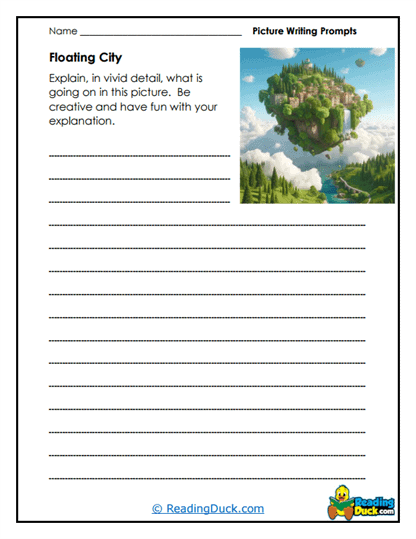
Picture prompts give students images to inspire words. They turn visuals into written stories or descriptions. Worksheets encourage imagination and interpretation. Perfect for reluctant writers who need a visual nudge. They build descriptive and narrative skills. They make writing feel like storytelling with art.
Short Story
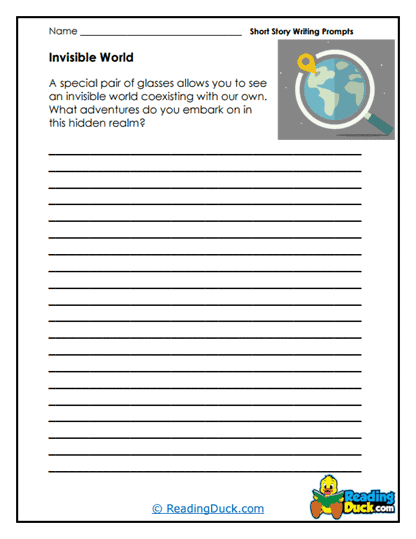
Short story prompts invite students to write complete tales in miniature form. They encourage creativity while reinforcing structure. Worksheets might spark beginnings like "You woke up and found a key..." Prompts teach character, setting, and plot in small space. They're ideal for classroom writing workshops. They show students how to craft full stories with brevity.
Spring
Spring prompts celebrate renewal, flowers, and bright days. They invite reflective and descriptive writing. Worksheets bring seasonal cheer into journals or essays. Prompts can tie into poetry or creative writing. They strengthen expressive, imaginative thinking. They make writing feel as fresh as spring air.
Thanksgiving
Thanksgiving prompts focus on gratitude, family, and traditions. They encourage reflective, heartfelt writing. Worksheets may include thank-you letters or descriptive food writing. Prompts fit perfectly into November lessons. They help students practice clear, organized sentences with warm themes. They celebrate both the season and the joy of writing.
Make sure to bookmark our website now.
Enjoy all our free reading worksheets.
Our materials adhere to the principles of the Science of Reading.