About Our Preschool Reading Comprehension Worksheets
This collection of worksheets was designed to cater to the educational needs of young learners. Each worksheet features simple yet engaging stories or reading passages that are tailored specifically for preschool students. These stories, carefully selected for their age-appropriateness, are rich in sight words and basic vocabulary, which are fundamental to early reading development.
Parents looking to expand these lessons even further can also explore Creative Kids Virtual Preschool, which offers engaging, theme-based online preschool lessons, stories, hands-on projects, and learning activities for children ages 3-5.
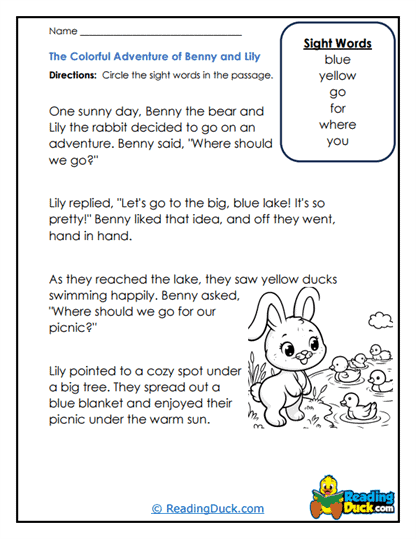
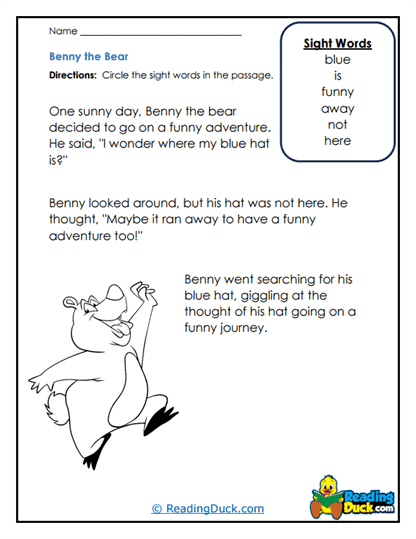
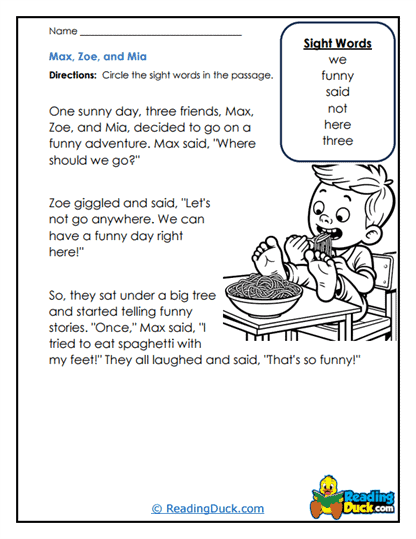
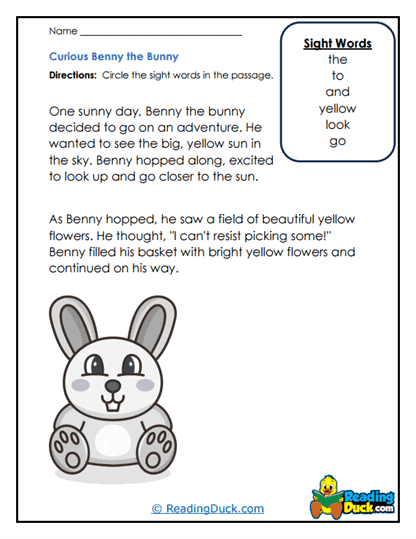
Preschool reading comprehension isn't just about remembering words-it's about stepping into tiny, delightful worlds where frogs can race, balloons drift off on their own adventures, and shoes might just be magic. These worksheets open the door to those little worlds, helping young readers not only recall what they read, but connect, laugh, and wonder along the way. Take Benny and Lily, Friendly Rabbit, and Funny Friends, for instance. These stories explore friendship and feelings in ways that make sense to small readers-Lily might get upset, the rabbit might feel scared, and the friends? They're definitely being silly. But underneath the humor, kids are learning to infer emotions, understand motivations, and identify how characters feel and change.
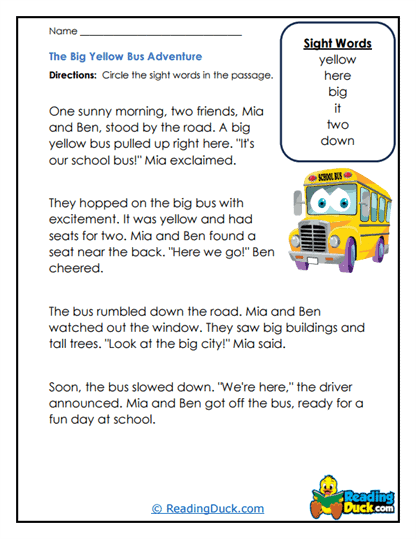
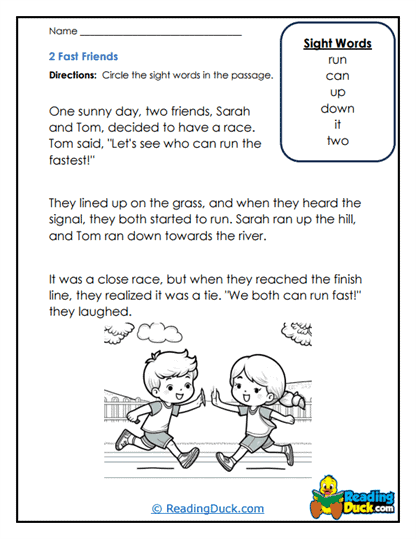
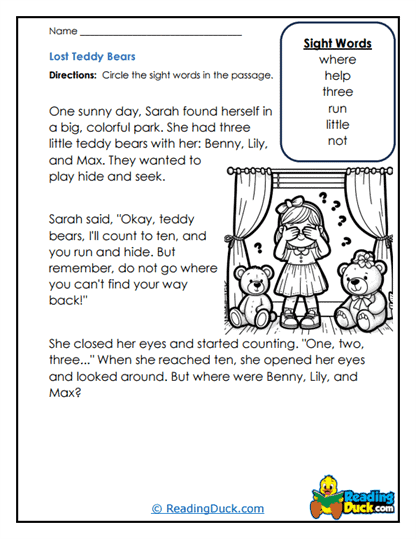
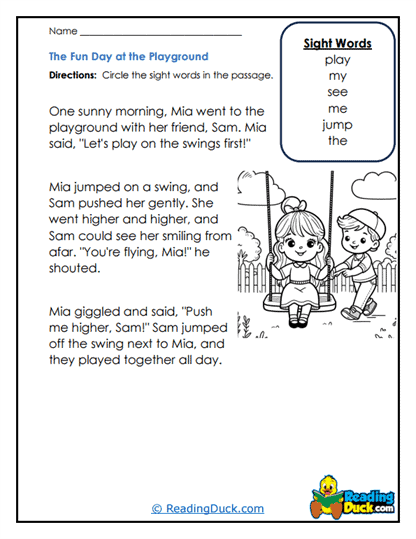
Then there are the stories that burst with movement, action, and cause-and-effect. In Bus Adventure, there's excitement and maybe a little chaos (because preschool buses are like that), and children must remember what happened first-was it the bump, the giggle, or the spilled juice box? Playground Fun and Hide-and-Seek Fun are pure energy on the page, letting kids relive everyday experiences while organizing them into logical sequences. Fast Race keeps the adrenaline pumping with zooming characters and playful competition, all while building comprehension skills like retelling events and spotting important action words.
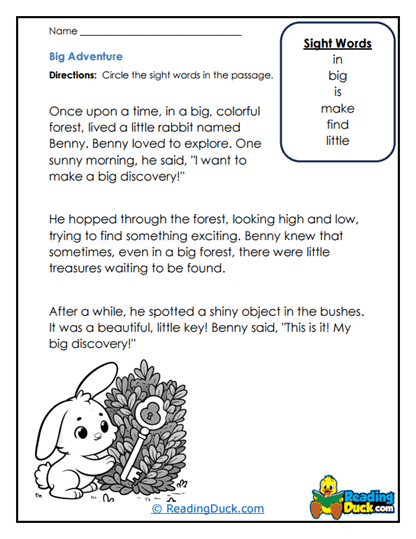
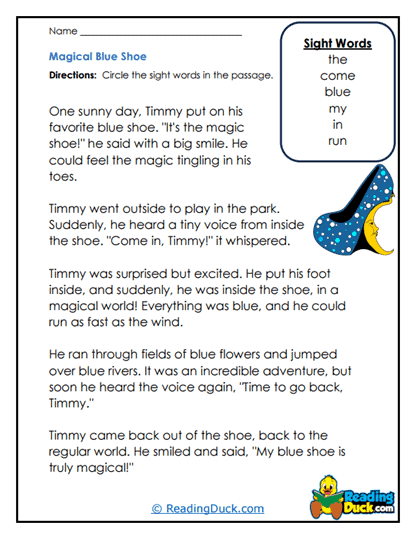
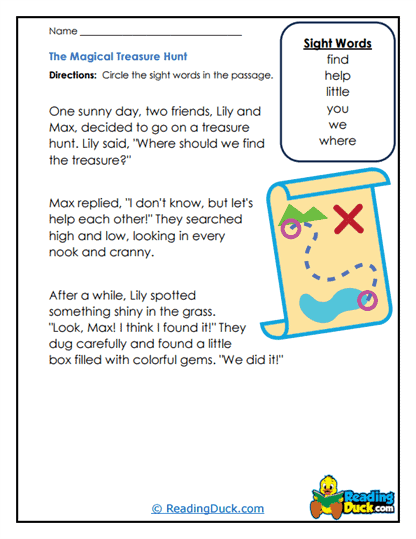
Some stories spark that magical curiosity that makes preschoolers' eyes light up. Big Discovery challenges readers to guess what surprising thing is hiding just around the corner (spoiler: it's never a boring sock). In Magic Shoe, something ordinary becomes extraordinary, asking kids to stretch their imagination-and their reasoning skills-to figure out how and why. Treasure Hunt is a mini adventure across a mysterious map, where clues must be remembered and followed, sharpening the young detective's brain with every step toward that final "aha!" moment.
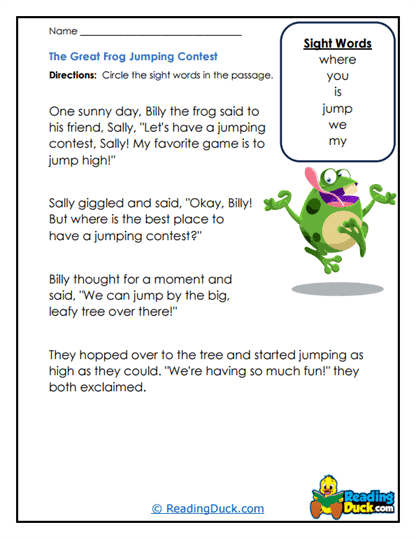
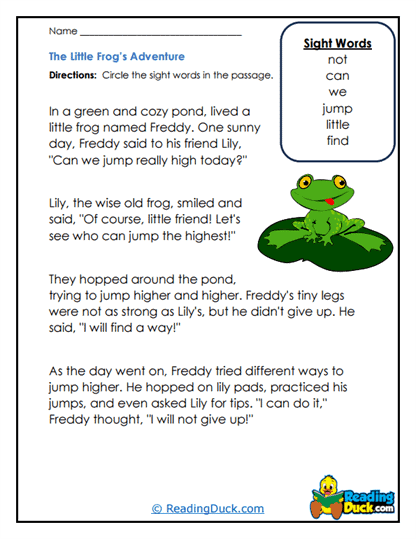
Nature takes the stage in a collection of hopping, splashing, jumping fun with the frog-themed trio: Frog Adventure, Frog Jumping Fun, and Frog Jumping Contest. These worksheets teach kids about natural environments while helping them remember details, describe animal actions, and predict what comes next. It's a science lesson disguised as a goofy leap into the pond. Mix in Friendly Rabbit again, and you've got a sweet combo of critter-based stories that build vocabulary and observation skills-all without needing bug spray.
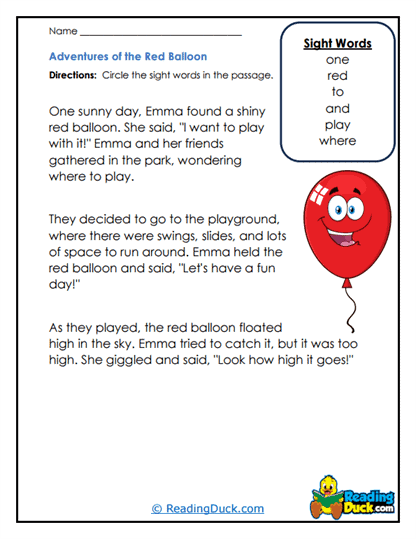
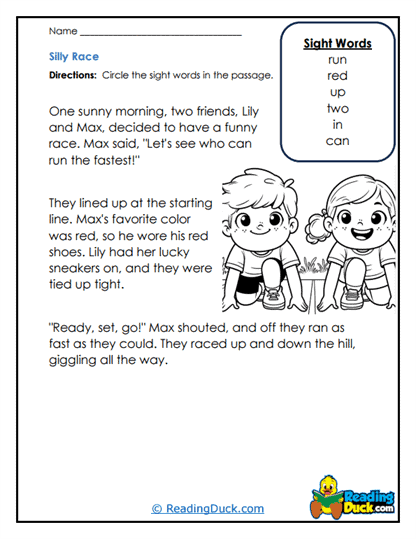
Not every story takes itself seriously-and that's the point. Funny Adventure, Silly Race, and Red Balloon are packed with giggles and gentle absurdity. Whether it's a pie in the face or a runaway balloon, the humor is more than entertainment-it's a sneaky way to teach cause-and-effect, character actions, and prediction. When kids laugh at the surprise ending of Silly Race, they're also practicing their ability to follow story structure and anticipate outcomes. And yes, it's okay if they ask to read that one twice (or five times).
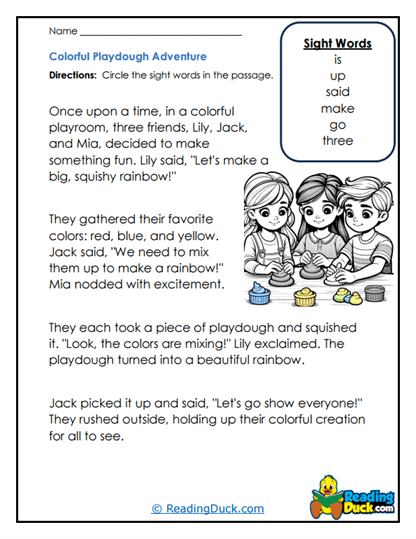
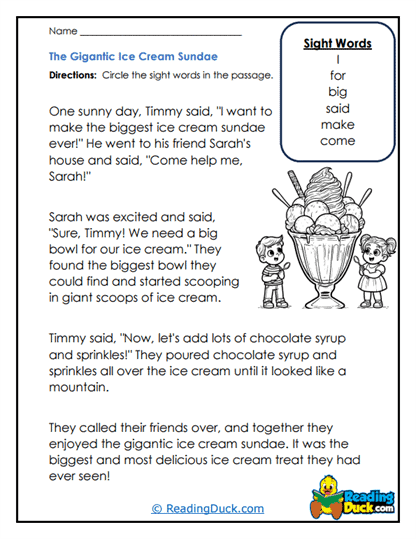
Some worksheets focus on the everyday joys of being a kid. In Colorful Playdough Creation, students track how things mix and change, just like in real life art time. Ice Cream Treat tempts readers with a delicious sequence of steps that makes them think carefully (first the scoop, then the syrup, not the other way around!). Sunny Adventure and Playground Fun tie it all together-joyful, relatable stories that help children reflect on choices, actions, and how to retell their own day in story form. Every worksheet encourages young learners to not just read, but to think, feel, giggle, and-most importantly-remember.
The entire collection of Preschool Reading Comprehension worksheets is available in PDF format. These digital files can be effortlessly viewed on electronic devices, downloaded for offline use, and printed out for hands-on activities. This flexibility ensures that the worksheets can be integrated seamlessly into various learning environments, whether in the classroom or at home.
Why Reading Comprehension Skills Are Important In Preschool
Preschool Reading Comprehension worksheets offer a multitude of benefits to young learners, making them an invaluable resource in early childhood education.
1. Vocabulary Enhancement
One of the primary advantages is the enhancement of vocabulary through the identification and recognition of sight words. Sight words are frequently occurring words that children are encouraged to recognize on sight without needing to decode them phonetically. Mastery of these words contributes significantly to reading fluency, allowing students to read more smoothly and with greater confidence.
2. Comprehension Skills Development
Another critical benefit is the development of comprehension skills. Understanding what they read is just as important as the ability to read the words themselves. By engaging with the comprehension questions, preschool students learn to process information, make connections, and recall details from the stories. This process sharpens their cognitive abilities and lays a strong foundation for more advanced reading and academic skills in the future.
Reading comprehension is a vital skill for preschool students as it promotes critical thinking and enhances their ability to learn across all subjects. It encourages children to think about the text, ask questions, and seek answers, fostering a deeper understanding of the material.
3. Fine Motor Skills Practice
Moreover, these worksheets support the development of fine motor skills through activities such as circling sight words and writing answers to comprehension questions. These tasks involve hand-eye coordination and the ability to control writing instruments, which are essential skills for young children.
How Teachers Can Use These Worksheets in a Preschool Classroom
Preschool teachers can utilize these Reading Comprehension worksheets in various ways to enhance their students' learning experiences.
1. Daily Reading Sessions
One effective approach is to incorporate the worksheets into daily reading sessions. Teachers can read the stories aloud to the class, pausing to discuss the illustrations and ask predictive questions. After the read-aloud session, students can work on identifying and circling the sight words, either individually or in small groups, fostering collaboration and discussion.
2. Reading Corners
These worksheets can also be used as part of literacy centers or stations in the classroom. Teachers can set up a reading corner where students independently complete the worksheets, providing a quiet space for focused reading and comprehension activities. This setup allows for differentiated instruction, as students can work at their own pace and according to their reading levels.
3. Guided Reading Sessions
In addition, teachers can use the worksheets for guided reading sessions. Small groups of students can work with the teacher, reading the passages together and discussing the comprehension questions. This guided approach allows the teacher to provide immediate feedback, offer support, and address any difficulties the students may encounter.
4. Skills Assessment
The worksheets are also excellent tools for assessment. Teachers can use them to gauge individual students' reading abilities and comprehension skills, identifying areas where additional support may be needed. The answer keys provided with each worksheet simplify the grading process, enabling teachers to quickly and accurately evaluate the students' responses.
How Parents Can Use These Worksheets at Home with Their Preschool Children
Parents play a crucial role in their children's early literacy development, and the Preschool Reading Comprehension worksheets offer a practical and enjoyable way for them to support this process at home. By integrating these worksheets into their daily routines, parents can create a rich literacy environment that fosters a love for reading and learning.
1. Guided Reading Time
One effective method is for parents to set aside dedicated reading time each day. During this time, they can read the stories with their children, encouraging them to look at the pictures and discuss the content. Parents can guide their children in circling the sight words, turning this activity into an interactive game that enhances their engagement and excitement.
2. Structured Reading Classes
The worksheets can also be used as part of a structured home learning routine. Parents can assign specific worksheets for their children to complete independently or with minimal assistance, promoting a sense of responsibility and independence in their learning. The comprehension questions provide an opportunity for parents to engage in meaningful conversations with their children about the stories, asking open-ended questions and encouraging critical thinking.
3. Supplement With Educational Activities and Field Trips
Additionally, parents can use the worksheets to supplement other educational activities. For example, they can connect the themes of the stories to real-life experiences, such as visiting a farm after reading a story about animals. This approach helps children make connections between what they read and the world around them, deepening their understanding and retention of the material.
4. Skills Assessment And Feedback
The answer keys provided with the worksheets are valuable tools for parents, allowing them to check their children's work and provide immediate feedback. This instant reinforcement helps children understand their mistakes and learn from them, further solidifying their comprehension skills.
Make sure to bookmark our website now.
Enjoy all our free reading worksheets.
Our materials adhere to the principles of the Science of Reading.